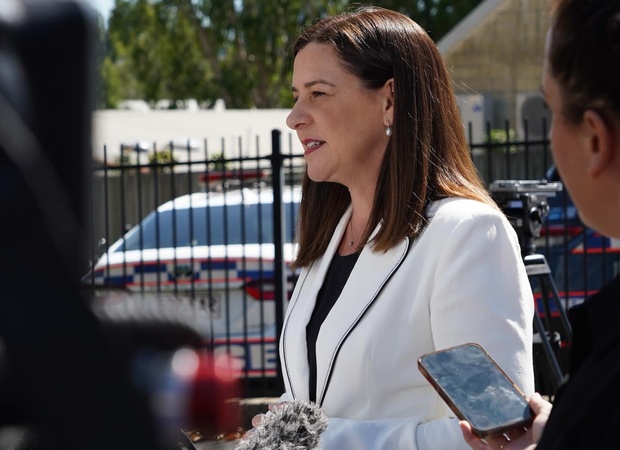
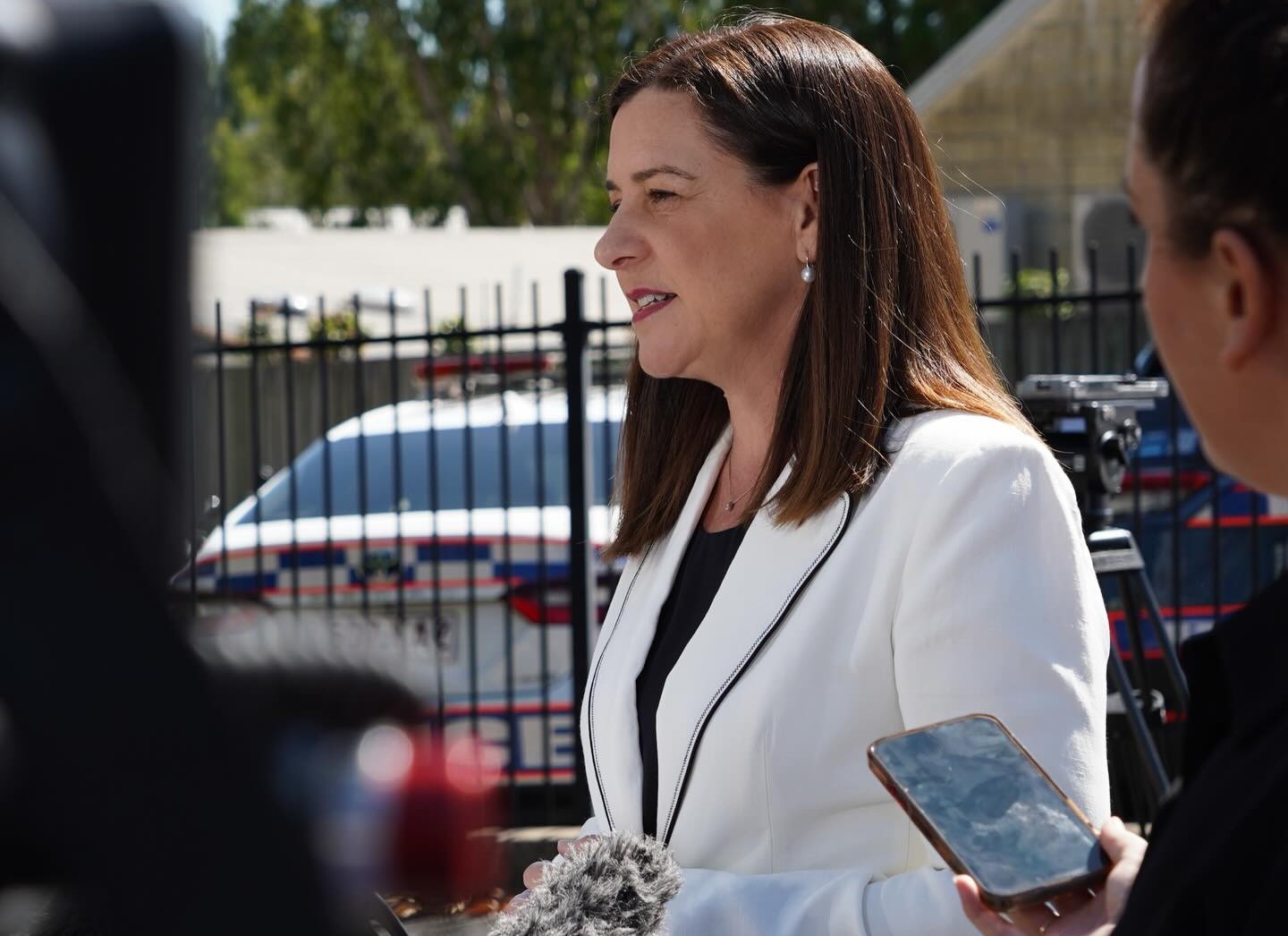
Attorney-General, Minister for Justice and Minister for Integrity Deb Frecklington said the reforms demonstrate the Government’s commitment to prioritising victims’ rights to privacy, dignity and autonomy and making Queensland safer.
“This is for the women who have had their images weaponised against them, the teachers who have been the subject of heinous cyber-bullying, and for every victim who was told the law couldn’t help – because now we are changing that,” the Attorney-General said.
“Technology is evolving rapidly, and unfortunately we’re seeing it used in ways that harm people.”
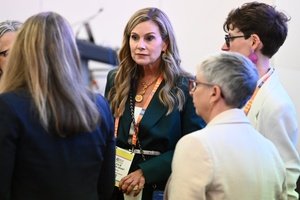
Opposition MP Grace Grace told reporters in East Brisbane on Sunday that the Labor Party welcomed the legislation and would consider its merits.
“Because [of] the changes in technology, it is important that we review legislation and we’re always open to that,” she said.
“We will look at that in a very calm and methodical way, to ensure of course that laws are kept up to date.”
Advances in technology, particularly artificial intelligence (AI), have made it easier than ever to create hyper-realistic images and videos that falsely depict real people.
It is presently illegal to distribute such material, but there is no legislation prohibiting its creation.
Data revealed by the eSafety Commissioner in October showed at least one incident of deepfake image-based abuse is taking place weekly in Australian schools and that reports of abuse have doubled in the country since the start of 2024.
Highly accessible AI tools can now generate sexually explicit content without a person’s knowledge or consent with harmful content being generated to cyber-bully.
The proposed new offence will:
- Capture intimate images that are digitally altered or created entirely using digital technology, such as through image-editing software, AI-generated images or “nudify” applications.
- Include images of simulated or digitally generated people that closely resemble, or purport to be, an identifiable real person, ensuring offenders cannot evade accountability through technical loopholes.
- Carry a proposed maximum penalty of three years imprisonment.
“For too long, offenders have been able to exploit a loophole in the law to create harmful and exploitative content without facing the full consequences,” Frecklington said.
“We are closing that loophole.
“Creating intimate images of someone without their consent is a serious invasion of privacy. It can cause deep emotional distress and lasting reputational harm.”
The most recent example of deepfakes of teachers being circulated took place only last month at a high school in Sydney.
A mother, whose daughter attends the school, alerted The Sunday Telegraph to TikTok posts targeting teachers at the school and turning them into harmful deepfakes.
In October, eSafety Commissioner Julie Inman Grant warned revelations that deepfaked image-based abuse incidents were happening at least once a week in Australian schools was just the tip of the iceberg following the release of OpenAI’s Sora.
“[It is] an AI-generated social media app where you’re able to harvest images of someone else and create a hyper realistic deepfake video in a matter of seconds,” she said.
Starting this month, the Government will undertake targeted consultation with stakeholders across the education, legal, sexual violence and online safety sectors as part of developing the legislation.