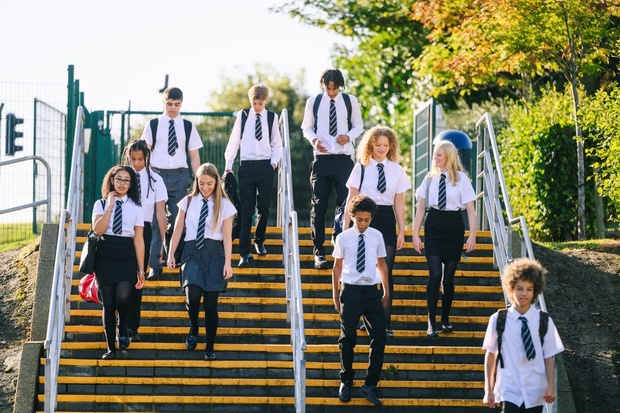
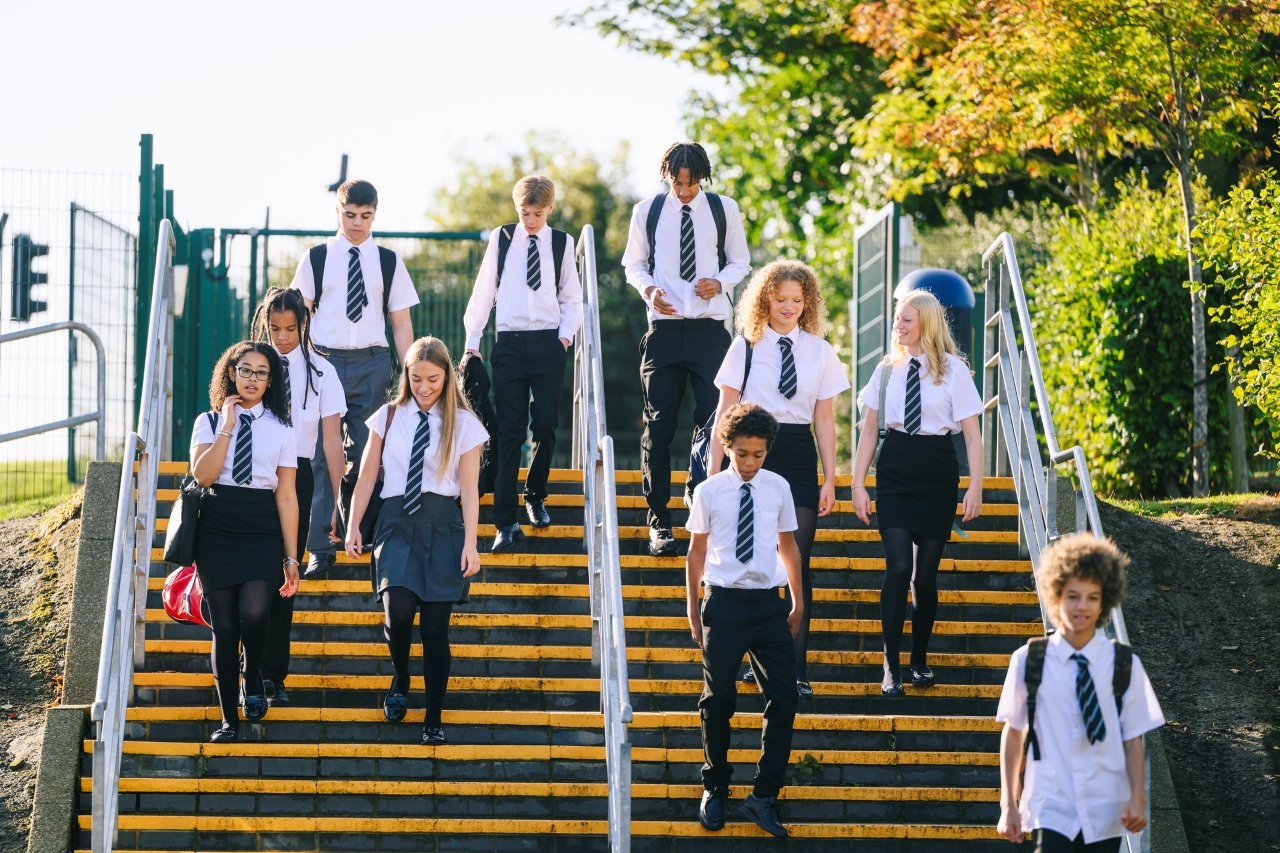
The study, led by Dr Sarah Halliday, a lecturer and researcher in Adelaide University’s School of Psychology, explored how being part of a large friendship group and the quality of support from a close friend impacts the development of resilience in 15-18-year-olds.
Halliday and Bastian Miliotis, one of Halliday’s previous Psychology Honours students, analysed more than 21,000 responses from South Australian public school students in Years 9 to 12, who had completed the Wellbeing and Engagement Collection in 2025.
Students were asked questions about resilience, belonging in a peer group, and perceived level of support from a single, close friend.
“Establishing resilience in adolescence is a crucial part of healthy growth and identity development,” Halliday says.
“It’s estimated 50 per cent of mental disorders develop before age 18, so it’s critical to determine and understand any protective factors which can be fostered to facilitate wellbeing.
“Resilience in adolescence is also valuable for the transition to well-adjusted adulthood and helping to avoid longer-term mental distress.”
The results showed peer belonging was a stronger predictor of resilience than friendship intimacy for students across all ages, even when accounted for personal differences that may also influence resilience and friendship.
“One of the things that surprised me from our research was the fact that friendship intimacy, so having support from a close intimate friend was, I guess, not associated with resilience in the way that peer belonging was,” Halliday tells EducationHQ.

"Having a support network with a shared history and deeper trust can foster a sense of belonging, helping to bounce back from adversity with greater resilience," researcher Dr Sarah Halliday says.
“I have heard this rhetoric for a really long time, that quality over quantity is more important for friendship and having one best friend is far more important than having lots of friends, and so when exploring that sort of facet in this research, we actually found, well, being a part of a group is actually more important for resilience in particular and having a best friend and having support from a single close friend isn’t actually that helpful for developing resilience.
“I think that surprised me the most.”
Halliday says it could be that resilience is often role modelled by people rather than an innate skill that you have, and it is something that develops over time and through seeing other people demonstrate resilient behaviours.
“So if you’re a part of a group and you have lots of peers, there is probably just more opportunities for you to see resilient behaviours being demonstrated by others, whereas when you’re moreso in a single close friendship with someone, the opportunities for witnessing resilient behaviours are just fewer, purely because you have less people around you to demonstrate those behaviours.”
In this 15-18-year age group, students have likely been part of established friendship groups for at least a couple of years.
“So you trust them more. You probably hold their opinion a lot higher and are willing to have them be a role model, I guess moreso than someone who’s perhaps a newer friend. I would say that definitely plays a role.”
So what can schools be doing more of to foster peer belonging and to help develop resilience?
“I guess it’s just how do you approach it from a different angle?
“So something that I was thinking about in relation to this in particular and developing resilient behaviours, could be something along the lines of having more exposure to varying peers in different year levels, and fostering cross-grade connections in whatever way that might look like.
“...encouraging friendships from that perspective as well could help with the older students obviously being able to demonstrate resilient behaviours to the younger students.”
Halliday says students may be better supported to develop resilience by encouraging larger, more inclusive peer networks.
“I guess that includes the older and the younger groups. I think fostering larger groups within grades but then also cross grades would be helpful.”
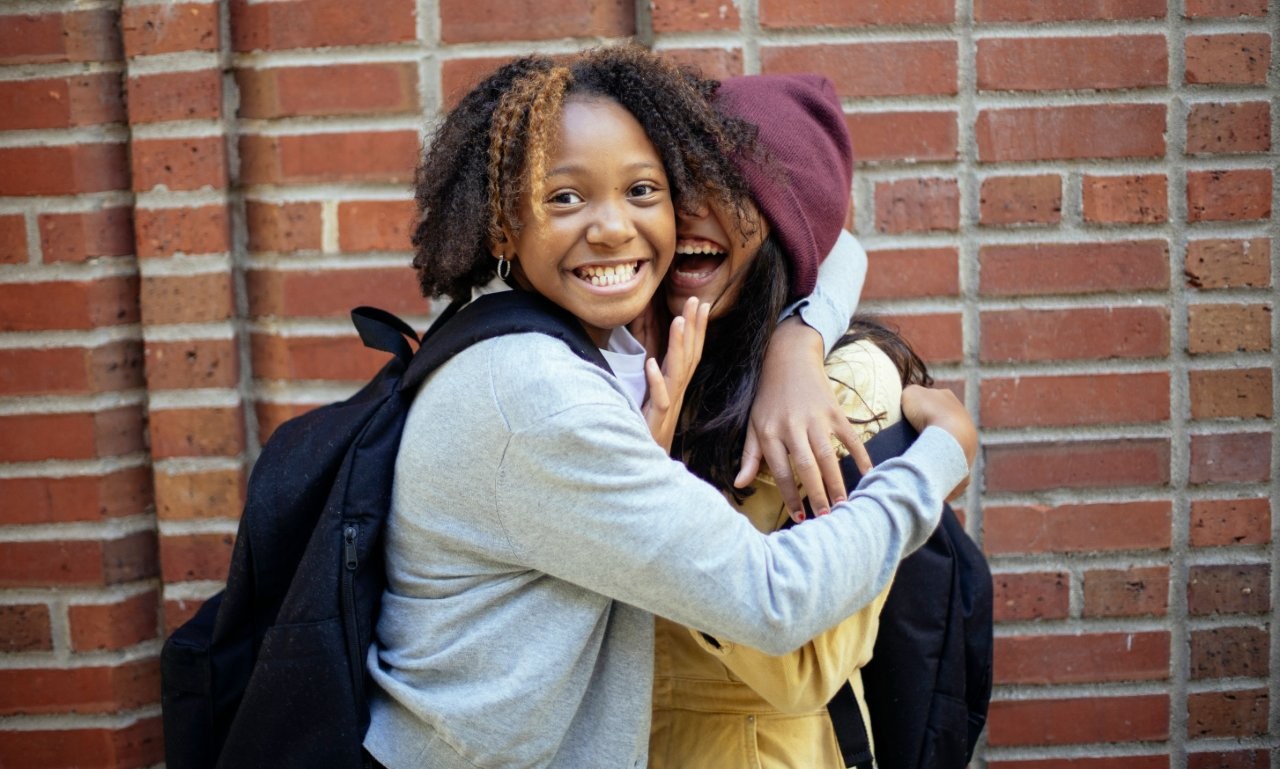
Dr Halliday says students may be better supported to develop their resilience by encouraging larger, more inclusive peer networks, which include intimate friendships like best friends.
Halliday says in the last 15-20 years, schools have dramatically improved so much in relation to teaching social and emotional learning.
“The trajectory is positive. I think that there’s lots of different ways that belonging can be fostered within a school and what works for a school is very dependent on the school climate.
“What works in one school in relation to fostering belonging and reducing bullying, for instance, might not be as helpful in other schools.”
She says it would be interesting to get more student perspective on what they think the school environment does well and what teachers and school leaders foster, and perhaps what could be addressed better.
“It’s all well and good for researchers and school leaders to suggest things, but if the students actually need it or don’t need it, then it’s probably better to get their opinion first to be able to direct our efforts.”
Our understanding of who is considered vulnerable changes as well, the researcher notes.
“We might think that a certain group is more vulnerable and dedicate efforts to them, but we might find that we’re totally not seeing another vulnerable group that we didn’t even think about...
“We only know so much from our perspectives, so getting the students’ perspectives on what they value and what they think will improve the school environment and belonging is so important.”
Halliday says the regular work she does with schools has built a real empathy for the challenges and difficulties educators face.
“The expectations of teachers has increased so much over the years, and no wonder we’re seeing so many leave the workforce and so quickly after graduation.
“That is a clear red flag of 'something needs to change'. So when I do research into schools and adolescents, it’s making suggestions for the school, but also acknowledging that really, at the end of the day, if you’re able to make a more positive school environment and more positive school climate, and people feel more like they belong in the school, it does have benefits across everyone, staff and students.”
Click here to read the study, titled ‘Understanding Peer Dynamics and Resilience in Adolescence: Insights From a Population-Based Australian Study’.