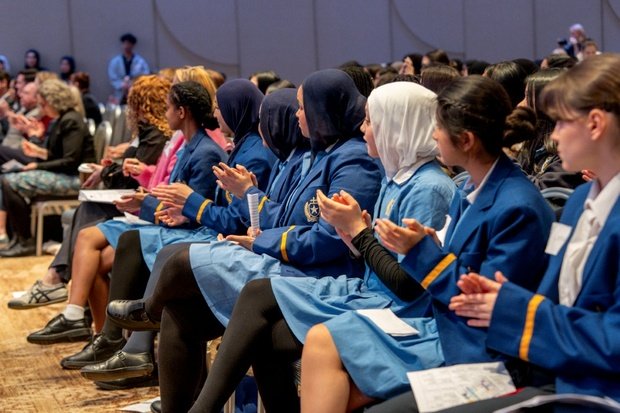
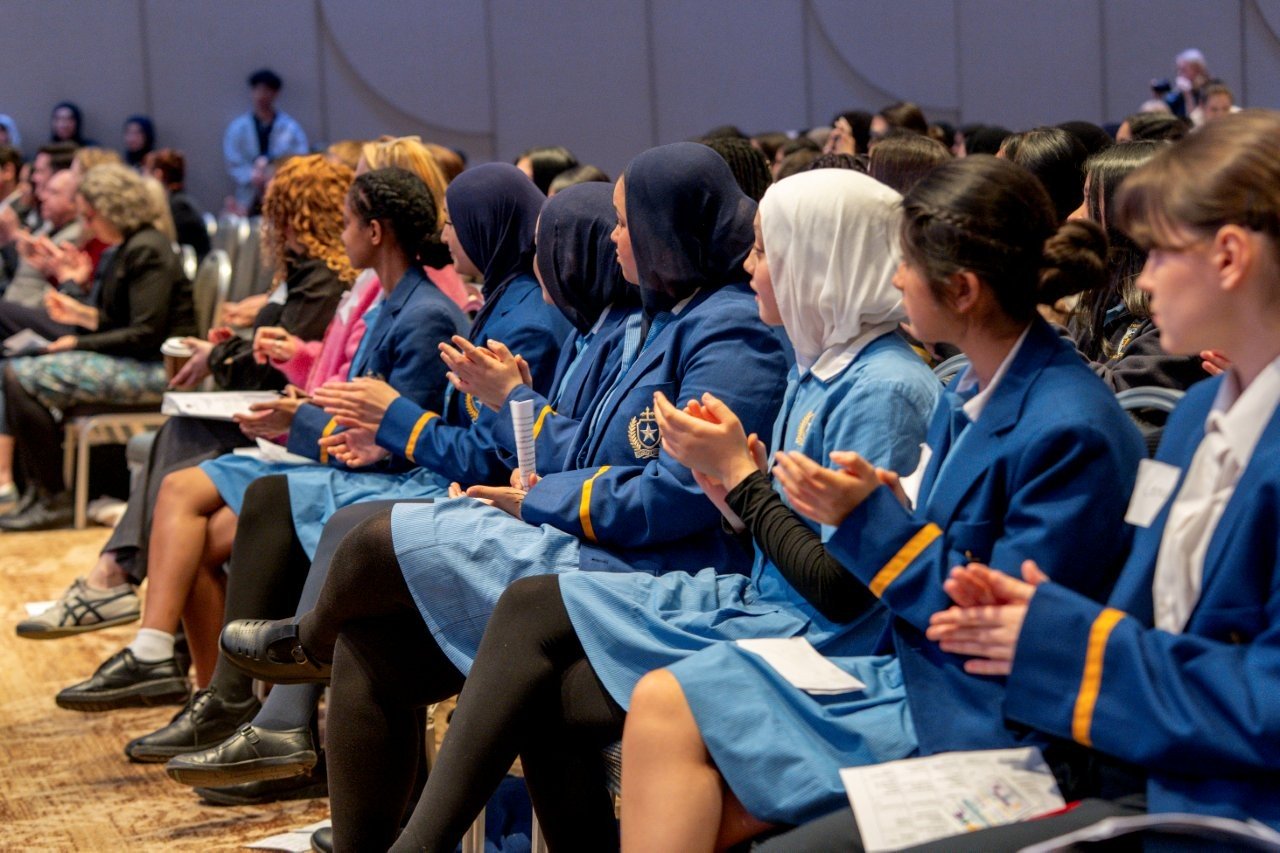
Teachers, students and communities from 13 secondary schools across metropolitan Adelaide shared their voices during South Australia’s first Together for Humanity (TfH) Youth Summit.
The Summit concept is a burgeoning national movement, with previous events held in NSW, Victoria, ACT and Queensland, all of them focussed on eliminating prejudice, so all young people feel they belong.
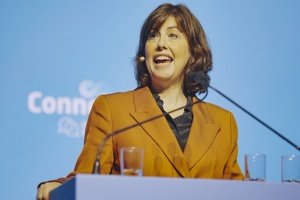
Centred around the theme ‘Creating the Community We Want’, and organised in partnership with The Abraham Institute, the SA summit was attended by a range of local politicians, including Lucy Hood, the Minister for Education, Training and Skills and Nadia Clancy, the Minister for Multicultural Affairs, and served as a powerful platform for young people to engage in meaningful dialogue about inclusion, belonging and the kind of community they want to create.
As a nation – whether it be in parliament, in the workplace, in public, online or in our schools, we need to learn again the art of discussing and arguing our different viewpoints calmly and respectfully, and, importantly, learn to listen to each other.
“I think the hunger and appetite of young people in the room was evidence of the fact that young people are willing and ready to discuss and be presented with different views and to engage in dialogue,” TfH CEO Annette Schneider tells EducationHQ.
“People in the room had such different experiences of life and they’re craving opportunities to have safe spaces. and platforms to express their ideas and to listen to their peers.
“There aren’t many platforms like that for them but there’s an appetite of wanting to connect with others across difference.”
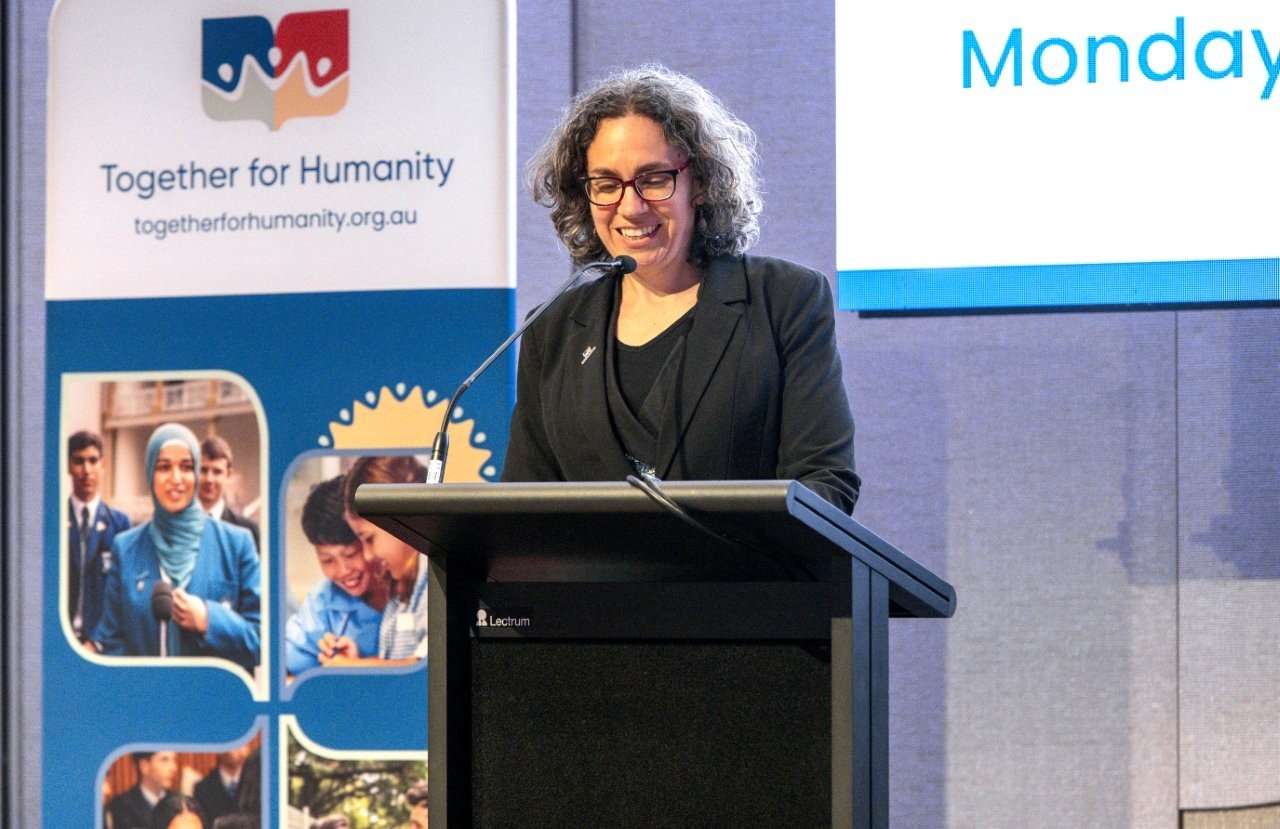
TfH CEO Annette Scheider says the hunger and appetite of young people in the room on Monday was evidence that young people are willing and hungry to discuss issues and be presented with different views and to engage in dialogue.
Topics covered all related to understanding and embracing diversity, building connection and belonging beyond school.
“So (that) transition into independence, and from structure and cocooning into engaging (with) others after school,” Schneider says.
“Inclusion of neurodivergent students and disability in classrooms and (ensuring) school culture are home for everyone.
“Refugees in Australia and how they are embraced and supported in their journey into our country, and about celebrating belonging through Harmony Week and creating opportunities for more schools to embed multicultural and intercultural experiences throughout the school year.”
Schneider says the event was “an incredible success”.
“It was such a brilliant opportunity to see the way in which young people want to continue having a voice on the community that they want to create.
“It was ... a place where they can bring their perspectives, learn about the perspectives of others, build empathy and build a more tolerant society that they want to be living in now, as well.”
Rabbi Zalman Kastel AM, dean and founder of Together For Humanity, said on Monday that youth summits are important because they give an opportunity for young people to collectively affirm each other’s identities, to be sensitive and show reason and tolerance for opinions that not all people like.
“All of that is being normed today (at the Summit). These young leaders come out with inspiration and additional commitment to creating these norms within their schools by hearing from students from a dozen other schools with the same passion for inclusion," he said.
The 13 schools were predominantly government schools, where there’s a broad variety of religious and ethnic backgrounds, but also included two independent schools, one of them a Muslim school and two Catholic schools.
“The highlight was what the students shared,” Schneider says.
“They brought forward so many different topics.”
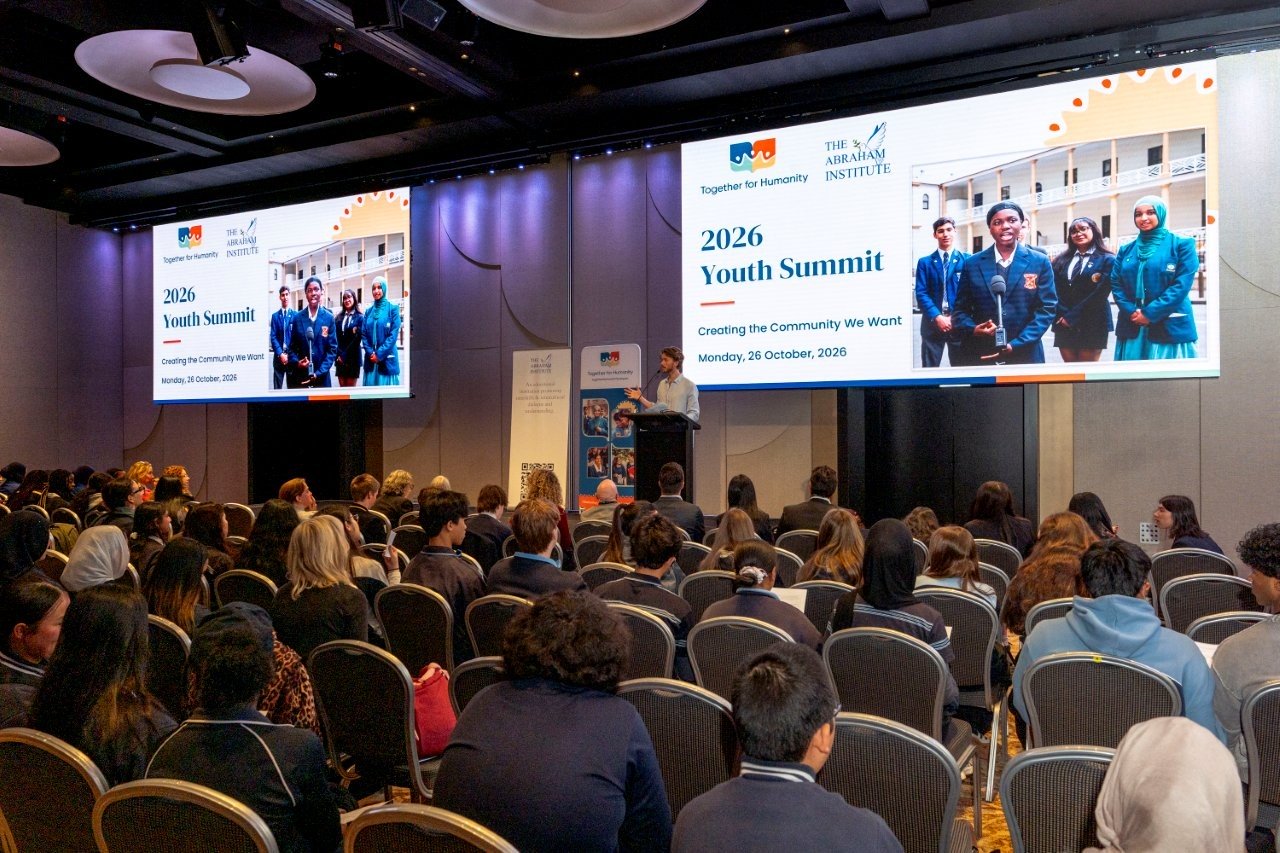
Students presented their ideas for addressing diversity and inclusion concerns in their local areas to politicians and community leaders in attendance, and proposed ways to build a more cohesive, prejudice-free Australian society.
She said a highlight of the day was a student from one of the schools presenting, who was talking about responding to racism through lived experience.
“They said, ‘your story is not something you should be ashamed of – your story is your strength. And now we’re talking about the stories we all carry with us and how we need to use those as strengths to be able to encounter others and not be ashamed of our own identities and the people that we are’.
Following the October 7 attack in 2023 of Hamas-led militants in Israel, interfaith events involving Jewish schools have ground to a virtual halt.
How do we build relationships between schools in the aftermath of that?
“I think what’s really important in what you pose there is about how we navigate or address the elephant in the room,” Scheider offers.
“And I think there is still the level of fear that is accompanying with the hunger and desire to want to build bridges, to want to live in a country that they feel safe.”
The core roots of people’s identities, people’s safety, have been shaken, she shares.
“And in order to continue doing the work we do, we need to embed that with relationship building, developing critical pedagogy within the opportunities we bring to young people, and seeking back to what we all want - and that is that young people, children, grow up in a place where they’re safe and can achieve their full potential and are able to engage fully in society with everyone around them and embrace human dignity.”
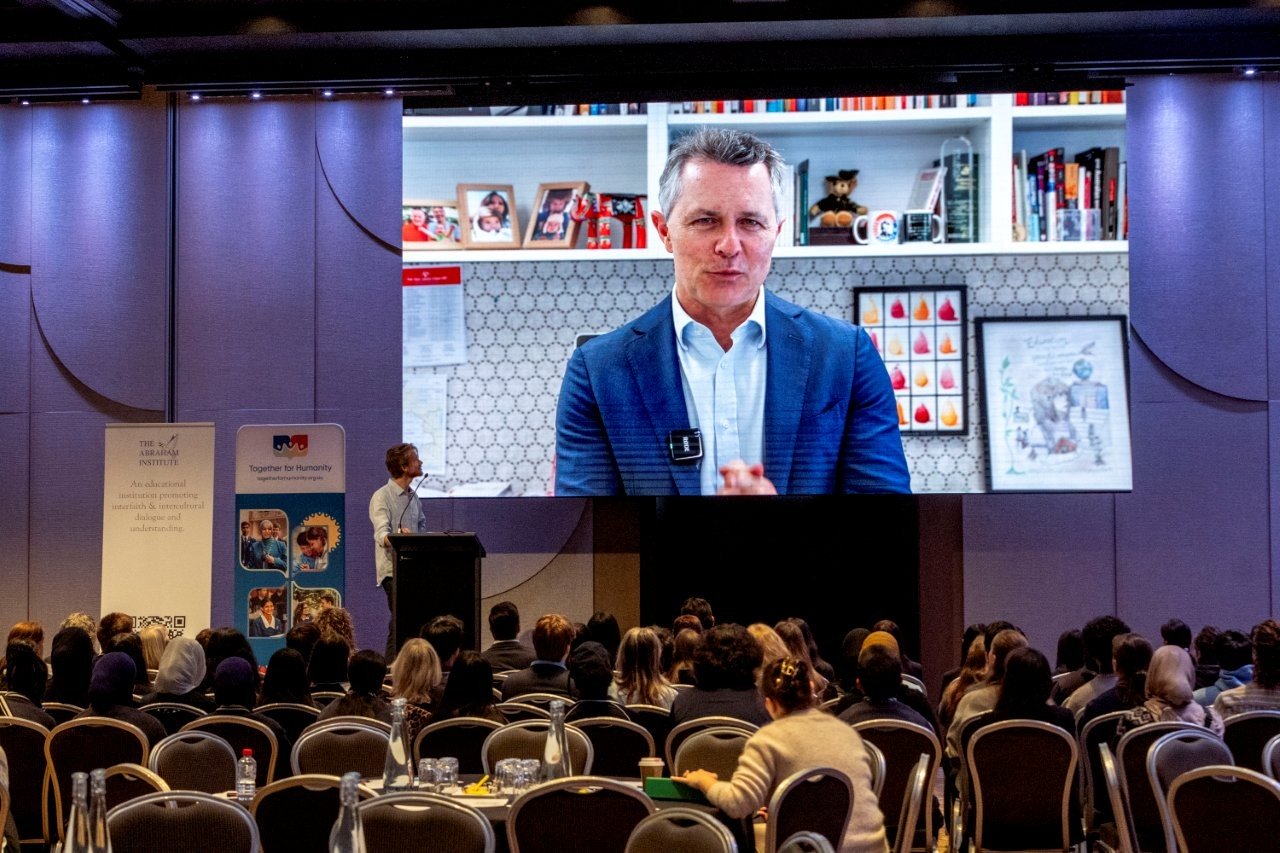
Education Minister Jason Clare provided attendees with a video message to inspire and encourage them in their efforts to listen and be heard.
Schneider says there’s definitely a lot of optimism for the future.
“Understanding that the reality we’re living within is still incredibly complex. The world that everyone wants is one where we’re able to keep looking in the mirror at the same time as looking out the window.
“How do we reaffirm our own identity? How do we reaffirm how we interact with ourselves? Because that will support us in affirming the identity and interactions with others.”
School is where this needs to happen, it’s the perfect place for this kind of learning and bridge building to start.
“It’s very hard to change the mindset of an adult, but young people are open – we become guarded as we grow older.
“It’s absolutely essential that these opportunities are created for our young people and it’s why what took place yesterday in South Australia, and the other summits we’ve had across the country, are so important.”
Golden Grove High School student Joel Strauss said he wanted to come to the Summit to give himself “a new opportunity to meet so many different people from different backgrounds and to understand what it is that drives people to make change, because I think that so many people here want to make change in their community”.
“I think as young people there isn’t much insights from us in political debates and in complex issues such as diversity - so I feel like coming to a program like this allows us to have a voice and share our own insights about diversity and promoting an inclusive society where belonging is greatly emphasised,” he shared.
The 13 schools at the SA Youth Summit included Pinnacle College, St Aloysius College, Salisbury High School, Salisbury East High School, Golden Grove High School, Adelaide Secondary School of English, St Michael’s College, Parafield Gardens High School, Northern Adelaide Senior College, Adelaide High School, Craigmore High School, Unley High School and Scotch College Adelaide.
Upcoming local TfH Youth Summits are taking place in the coming months in Toowoomba, Queensland, Grafton and Wagga Wagga in New South Wales and Albury, Ballarat and Casey in Victoria.