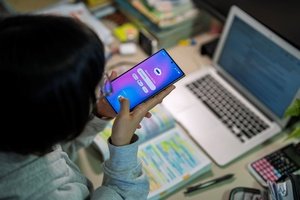
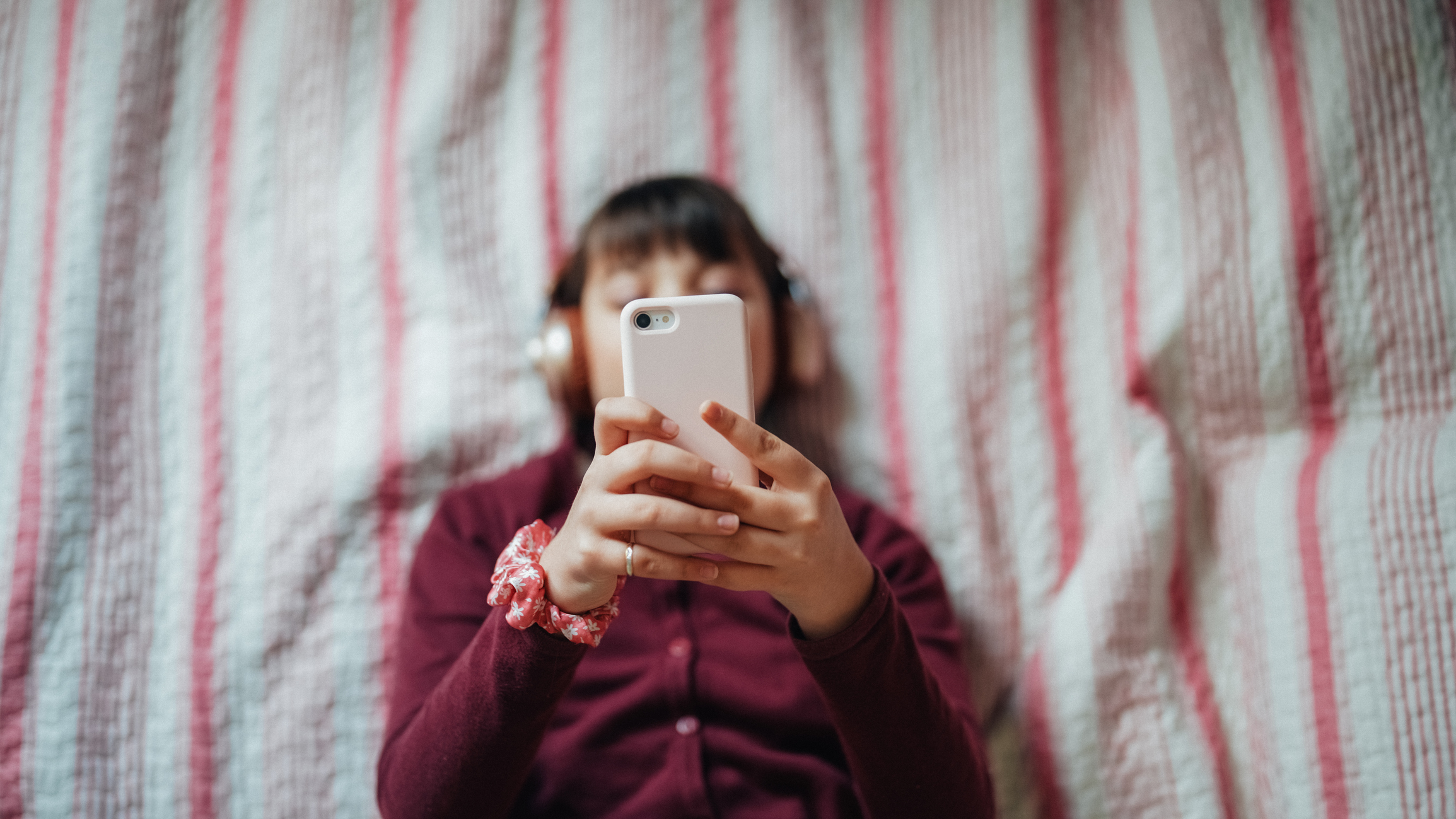
This is the question literacy researchers from ACU are seeking answers to in a newly launched survey for parents.
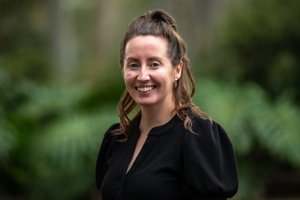
Led by Dr Signy Wegener and ARC Laureate Professor Anne Castles, the study will canvass parents’ views on how effective the ban has been, how they feel about it and whether it has changed how their child spends their free time – be that picking up a graphic novel or seeking out device-free play over screen time.
In Wegener’s own experience, the ban has had negligible impact.
“I'm a parent to a 13-year-old, and she posts – a social media ban really [hasn’t] impacted at all.
“I think she might have had to occasionally acknowledge some disclaimer, but it didn't stop her from accessing any of the accounts that she had,” Wegener, from ACU’s Australian Centre for the Advancement of Literacy, tells EducationHQ.
“And I think many of her friends probably had a similar experience.”
In April the success of the controversial ban was called into question, with an eSafety report confirming a ‘substantial number’ of children were still using accounts or could easily create new ones.
It was also revealed that five investigations into potential breaches by Facebook, Instagram, Snapchat, TikTok and YouTube were underway.
While social media companies had initiated “some steps” to comply with the legislation that came into effect in December last year, significant gaps remained, eSafety reported.
Some platforms were found to have encouraged children to attempt age assurance even where they declared themselves to be underage, and some enabled under-16s to keep attempting the same age-assurance checks to eventually gain access.
Wegener is keen to canvass the full spectrum of parents’ experience to determine if there’s been any positive flow-on effects for children’s reading habits.
Literacy among young Australians is concerningly low, she flags, with one in three children unable to read proficiently, and nearly a third of teens not reading books for pleasure at all.
Our national literacy rates have been falling for two decades, the expert adds, with the latest PISA data showing 49 per cent of 15-year-olds failed to meet the minimum national proficient standard in reading – a figure that Wegener notes is 16 per cent higher than in 2003.
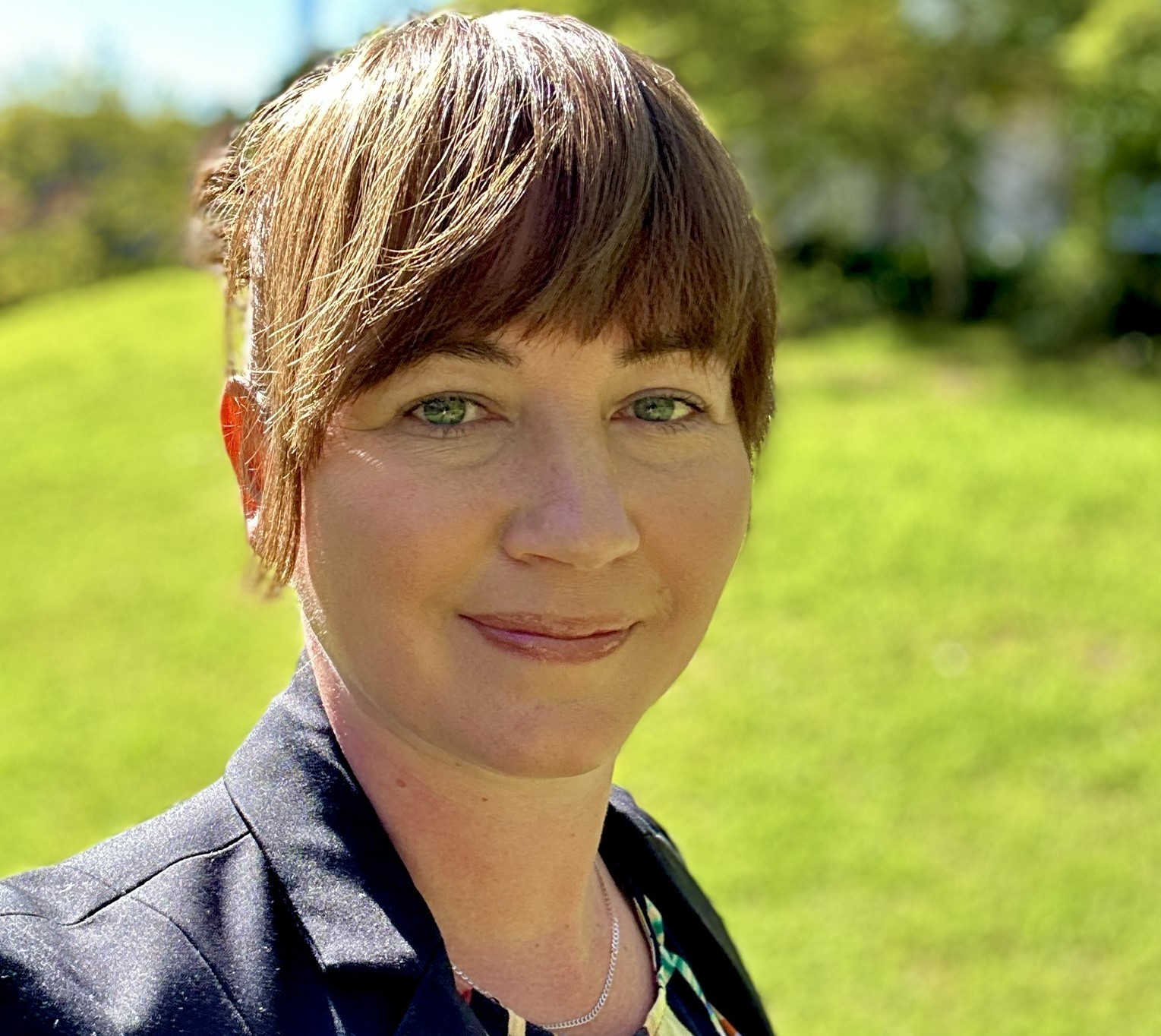
Wegener says time spent reading is essentially time spent learning for children.
Reading for pleasure is a critical for children’s learning and development, the expert says.
“[Our] focus on pleasure really comes from this general concern about how much time kids spend reading.
“Because we know that the more time you spend reading, in all likelihood, the better your skills are.
“And certainly, once we get past primary school levels where children are learning to read, they transition to reading to learn.
“So that is, when they read information in books or from any other source … then they have the opportunity to learn more information; learn about new worlds, learn about new concepts, learn about things that have happened in the past, current events, all sorts of things that they can learn about the world that they live in.
“I think that's why it's so important. Time spent [reading] is potentially time spent learning,” Wegener concludes.
We also know that since the COVID pandemic there’s been a huge uptick in social media use amongst young people, she says.
A study involving 898 parents and carers of children aged 8 to 15 years that was conducted around six weeks after the ban came into effect unearthed some telling findings.
Of the parents whose child had an account on each platform prior to the ban, around 7 in 10 reported they still had an account on Facebook (63.6 per cent), Instagram (69.1 per cent), Snapchat (69.4 per cent), and TikTok (69.3 per cent).
Just 3 in 10 reported that their child no longer had an account, while one in two of these parents reported their child still had a YouTube account.
“When the social media ban was implemented, that really piqued my interest,” Wegener says.
“What I'm hoping is that there are lots of other parents out there just like me who have found this whole experience interesting and who wonder, what are the further [wide-ranging impacts] this ban has had?”
Researchers are keen to hear opinions on the ban and its impact on children’s activities especially, Wegener says.
“We would love to hear from parents who have views on these things.
“It's so important in terms of understanding this snapshot in time about where we are now, because that can really frame where we're going in the future.”
Castles says the survey will provide a critical baseline for understanding how the ban is working and how this might evolve over time, with the hope of discovering ways to stop Australia’s literacy decline.
“Ultimately, it is literacy that allows us to become productive members of society. The direct costs of low literacy to the global economy sum to over $US1 trillion annually,” she adds.
“Without that ability, people are limited from acquiring knowledge about hygiene, diet, and safety and low literacy is a major contributor to inequality, and it increases the likelihood of poor physical and mental health.
“The ability to read is transformational.”