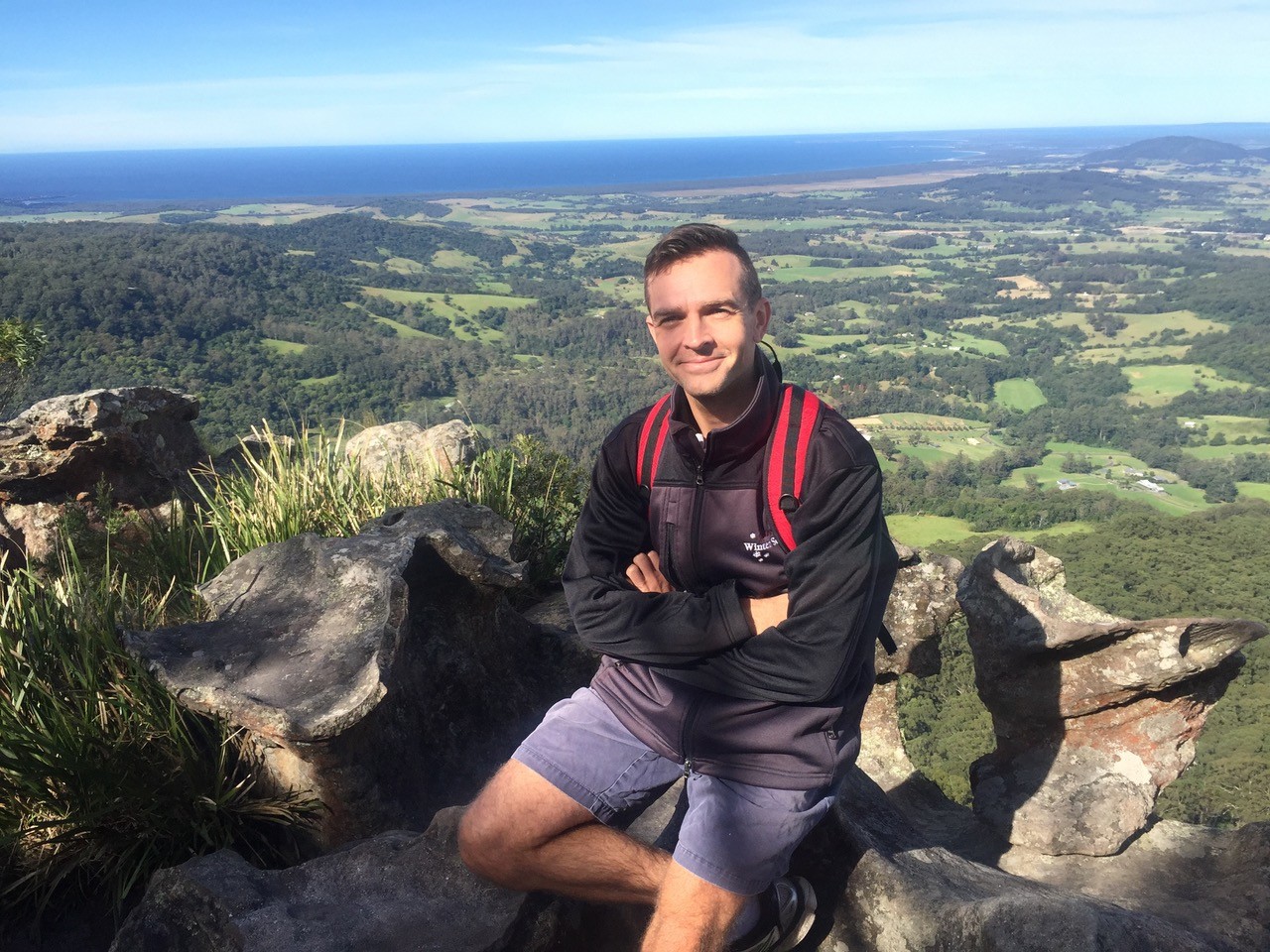
David Gregory is CEO of Xcursion Safety and says the theme ‘Bullying is harder to spot than you think’ is 100 per cent on the money.
Launched by Education Minister Jason Clare on August 9, the campaign responds to the 2025 Anti-Bullying Rapid Review, which found one in four students in Years 4 to 9 are bullied regularly.
Under the National Framework for Addressing Bullying in Australian Schools, every government, Catholic and independent school must publish an aligned anti-bullying policy and initiate a response to any reported bullying within two school days which is to be in place by Term 1, 2027.
“Bullying is rarely the shove in the playground that everyone sees. It’s the exclusion, the group chats, the running jokes that only the target understands,” Gregory says.
“Our concern is that often the focus of anti-bullying is focussed on school grounds, but when it comes to camps and overnight excursions, this is where the greatest risks and greatest harm can occur, as everything is magnified when students are away from home.”
Gregory has developed and run residential outdoor programs for some of the largest private schools in Australia and has trained staff, built effective risk management systems and consulted widely on operational and risk management practices.
He says three-day camp can compress a whole term of bullying into 72 hours.
Sleeping arrangements, unstructured free time, unfamiliar supervising adults and no home to go to at 3pm all change the level of risk overnight programs pose when it comes to bullying, Gregory explains.
“In our experience, on the bus, in the dorms, in bathrooms during shower time and the walk between activities are the places where the bullying activities occur the most.”
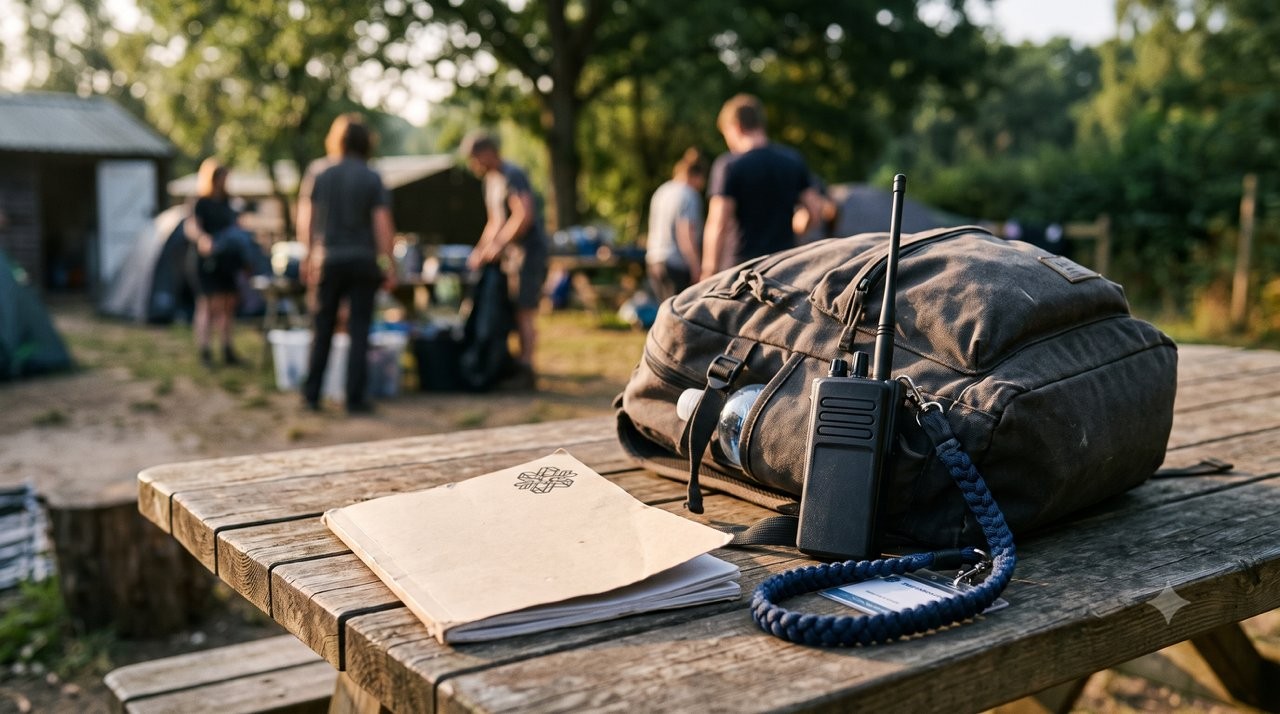
“Even if you have the best-looking policy paperwork ever written, it’s absolutely useless if teachers don’t have the right training, skills and experience to identify and prevent bullying on overnight programs,” David Gregory says.
With seemingly precision timing, Xcursion Safety has just launched a new program called Preventing Peer on Peer Harm on school trips.
The program is in response to two of Gregory’s client schools sharing their concern that the most incidents within their camps and excursions programs involved bullying.
“It very much mirrors my experience over 20 years running school camps,” Gregory says.
“It wasn’t the bus accidents, it wasn’t a catastrophic fall off a cliff doing abseiling – it was the peer-on-peer interactions.
“It was the silly behaviour after lights out, it was the poor rooming decisions or no rooming decisions – kids just allowed to select their own rooms and that always ended in disaster – that was more what we were dealing with.”
Built specifically for camp and excursion settings, the self-paced program runs over 45 minutes and covers peer dynamics and group culture, planning for different group dynamics, situational awareness and recognising and responding to harm.
It’s aimed at any teacher who is going on a program, including the trip organiser, and really looks at the key concerns when it comes to peer-on-peer harm.
“So basically, it’s the niggly comments, it’s being situationally aware of those side comments, those borderline jokes, the seemingly harmless nicknames, those subtle things that are having a massive impact.”
The moment that the teacher ignores that first comment, Gregory says, sets the tone and that sets the ball rolling.
“So it’s really focused on identifying those things early and stopping any escalation.”
It’s what Gregory’s team term, ‘the building of that safety culture’ around what’s valued, what’s expected, and what’s accepted.
“And we really reiterate that in all of our training; it’s about setting that culture and tone of ‘here we are on our program, and we are here to look out for each other and look after each other’.”
Gregory shares that far from being compliance-based, in terms of ‘you must do this, you must do that, you must read your policy’ – it’s all clear practical steps covering, ‘here is the reality of harm that is caused to students, here are these practical steps to help you minimise that’.
“And if something does happen, ‘here’s the escalation path to make sure that you respond quickly and professionally and include other staff and don’t let this basically get out of hand’.”
The outdoor ed expert says while there’s a real awareness regarding bullying on school grounds by teachers and school leaders, there’s far less of an understanding that things can often be magnified ten-fold outside the school grounds.
“And I think that’s the key differentiator, that there’s so many moving parts to taking kids away, especially overnight.
“And there’s so many things that teachers are trying to think of, it’s one of those areas I think just gets dropped down the list of priorities when it comes to the planning.”
Gregory says kids who are vulnerable and perhaps lack self confidence need to be out on these programs, because given a good supportive environment, they absolutely build their confidence, and those students can thrive in those situations.
He remains positive that despite a dropoff nationwide in school camps, this most important inclusion in any quality curriculum has a future in schools.
“When schools have really good systems in place, really good staff who are trained and know what they’re doing, that’s where you can confidently go out and really have a great program.
“For many though, it’s all too hard, ‘there’s too much paperwork, we don’t want to take kids overnight because it’s just too much trouble’.
“I’d hate to see us go down that path any further.”