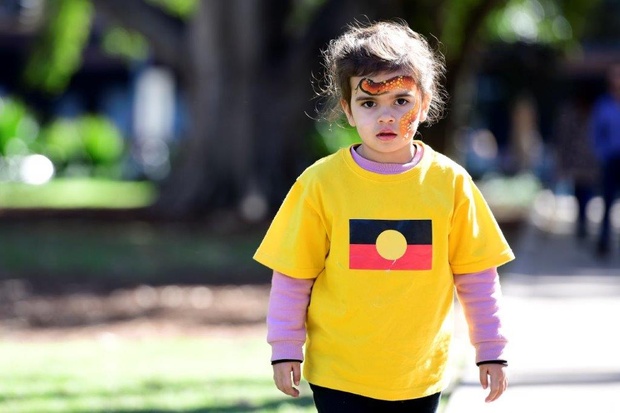
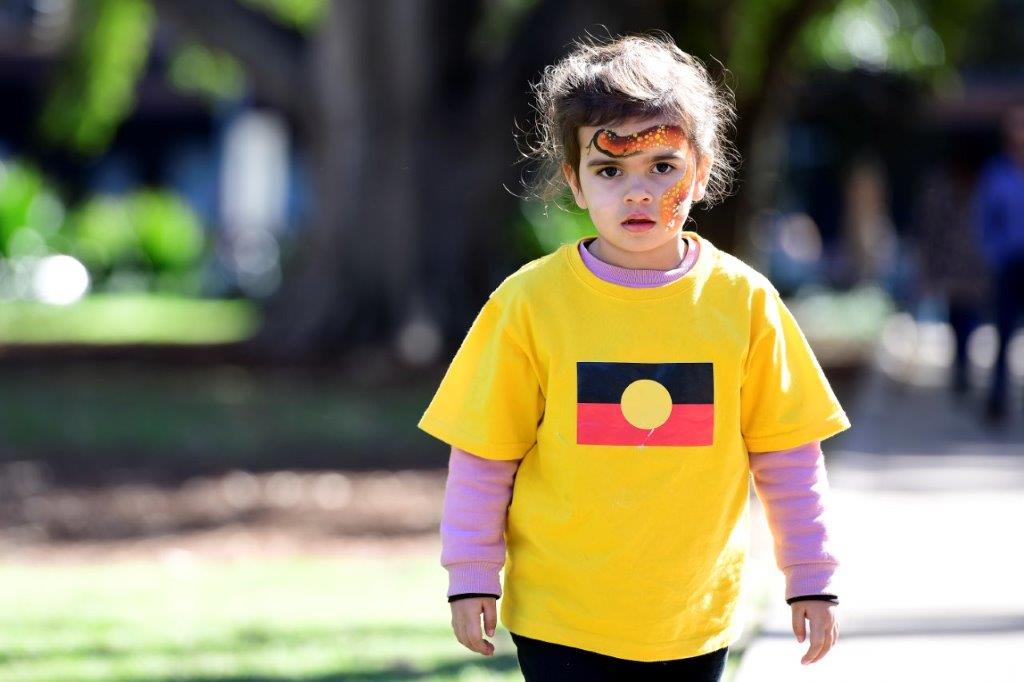
NAIDOC’s origins date back to the 1920s and 1930s civil rights protests, specifically the 1938 Day of Mourning, which fought against the treatment of First Nations peoples.
Over decades, this single day of political protest grew into a national, week-long celebration of survival and culture starting in 1975.
The NSW Government is helping communities across the state celebrate the histories, cultures and achievements of Aboriginal and Torres Strait Islander peoples with grant funding of $522,000.
The NAIDOC Grants Program empowers community-driven celebrations that provide opportunities for people across NSW to connect to Aboriginal culture and country.
Across the state 116 community organisations and groups have received between $1500 and $5000 of funding to support local activities aligned with this year’s NAIDOC Week theme: ‘50 Years of Deadly’.
Funded initiatives include cultural talks and traditional canoe building workshops, cultural showcases of First Nations artists, youth rugby league and league tag gala days, welcome baby to country ceremonies, community bush tucker BBQs and NAIDOC day netball competitions.
In Victoria, the Melbourne NAIDOC Week March departs from the Victorian Aboriginal Health Service (VAHS) in Fitzroy, accompanied by sold-out events like the Victorian NAIDOC Gala Ball at CENTREPIECE, Melbourne Park.
Local councils host art exhibitions, such as those at the narrm ngarrgu and Docklands libraries, with local community centres, schools, and city councils across the state will be hosting their own unique gatherings, flag raisings, and feasts.
In Queensland, celebrations are spanning from Brisbane to regional centres, featuring the 4ZZZ NAIDOC Community Gathering and broadcast, and the NAIDOC 3x3 Basketball Tournament in Carina.
The Redlands Coast launches its week with a massive cultural celebration at Raby Bay Harbour Park, while Maryborough hosts “Murri’s Got Talent”.
“Too many families, particularly in remote communities, face barriers to hearing care such as distance and a shortage of culturally safe services,” Anne-Marie Banfield, First Nations Strategy and Relationship Lead at Hearing Australia, says.
NAIDOC SA organises a week-long calendar of events, including the highly attended NAIDOC March and Family Festival.
The Adelaide Hills Council offers localized events, such as Quandong Seed bracelet weaving, truth-telling art exhibitions, and songwriting workshops.
In WA, festivities include family-friendly NAIDOC Festivals featuring live music, traditional dance, petting zoos, and hands-on climbing walls, as well as “Paint, Dine & Learn” art workshops led by First Nations artists, while in the ACT, the National Museum of Australia in Canberra hosts a week-long program with a Smoking Ceremony, pop-up multi-arts exhibitions, and live mural painting.
NSW Minister for Aboriginal Affairs and Treaty David Harris said his State Government was proud to support communities across the state deliver meaningful celebrations this NAIDOC Week.
“These events showcase the strength, resilience and culture of Aboriginal and Torres Strait Islander peoples, with communities leading the way in how they share and celebrate the oldest continuous living cultures on earth,” Harris said.
“This year’s theme, ‘50 years of Deadly’ marks an important milestone, celebrating five decades of achievement, leadership and pride in Aboriginal and Torres Strait Islander communities.
Centre manager of Coomaditchie United Aboriginal Corporation in NSW, Kristy Thomas, said the Minns Government funding is significant.
“The grant ensures that this celebration of Aboriginal identity, creativity, and inter-generational storytelling is delivered with the care, resourcing, and recognition it deserves, honouring NAIDOC Week’s spirit of coming together to celebrate the history, culture, and achievements of Aboriginal and Torres Strait Islander peoples.”
As we launch into NAIDOC Week (July 5-12), concerning new analysis has revealed just how far we have to go for equity in our nation.
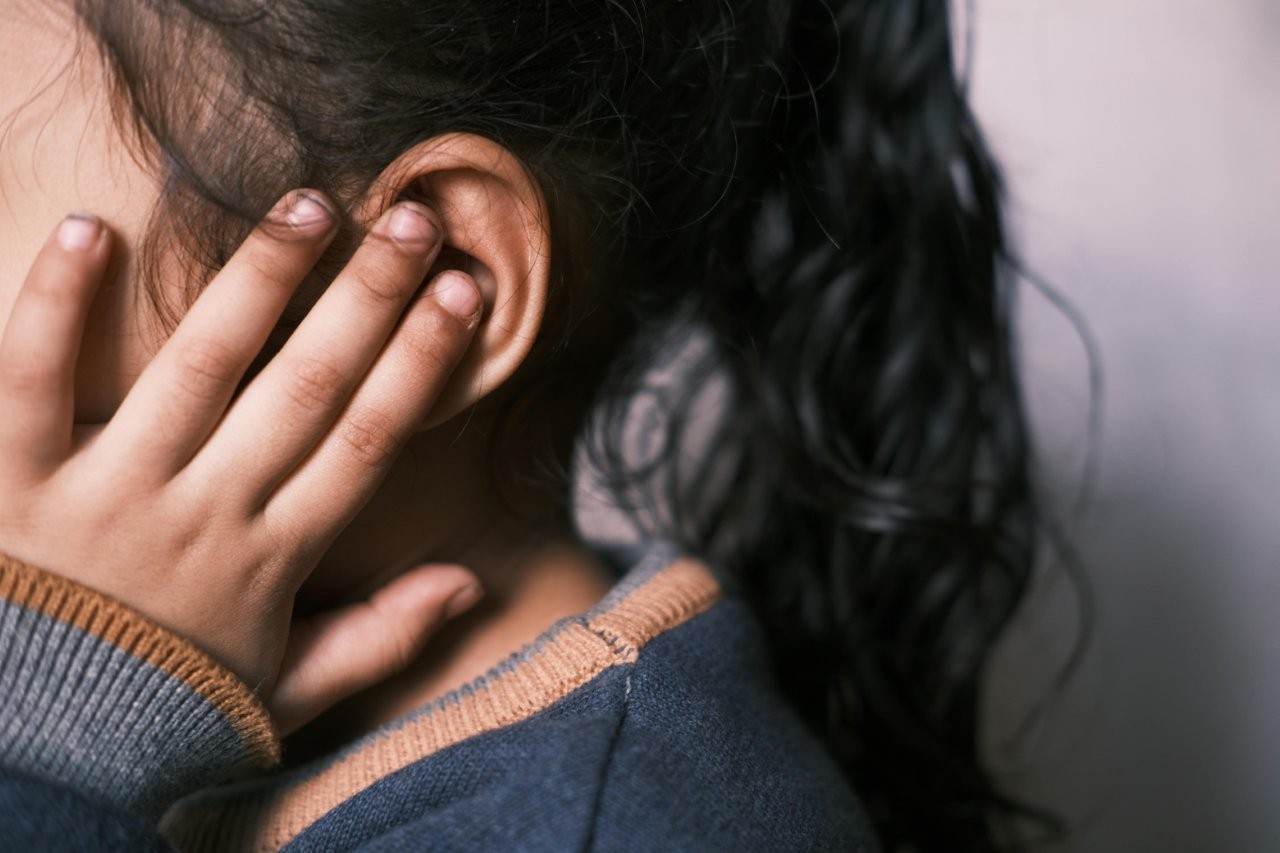
One in two First Nations children aged 0-6 in remote and very remote locations are likely to have middle ear disease – double the rate of First Nations children in metropolitan, regional and rural areas.
The findings are based on an analysis of more than 15,000 First Nations children assessed by Hearing Australia, part of a program that has provided hearing assessments to over 50,000 First Nations children.
Hearing Australia, the country’s largest government-funded hearing services provider, says the gap in hearing health outcomes highlights the ongoing challenges faced by families in remote communities, where distance and access to culturally safe services can make early detection and treatment more difficult.
In response, Hearing Australia is working closely with First Nations communities to bring hearing care directly to where it is needed most. With highly trained audiologists visiting communities, strengthening partnerships with local services, and expanding access through outreach and telehealth.
“These findings highlight the ongoing hearing health challenges that continue to disproportionately affect Aboriginal and Torres Strait Islander children, who experience some of the highest rates of otitis media (middle ear infection) globally,” Kaurna woman Anne-Marie Banfield, First Nations Strategy and Relationship Lead at Hearing Australia, says.
“Too many families, particularly in remote communities, face barriers to hearing care such as distance and a shortage of culturally safe services.”
Data from the Australian Institute of Health and Welfare (AIHW) also shows that four in ten First Nations children aged 7-14 in remote areas had measured hearing loss in 2018-19, highlighting the broader burden of ear disease across childhood in remote Australia.
Hearing Australia is supporting the upskilling of health workers, educators and early childhood professionals to strengthen early identification and care at a local level.
Managing director, Kim Terrell, says long-term change depends on genuine partnerships with First Nations communities.
“Early hearing loss can change the course of a child’s life – but it doesn’t have to,” Terrell said.
“By working in genuine partnership with First Nations communities, and bringing services directly into communities, we can make ear and hearing checks part of everyday care and ensure more children get the support they need as early as possible.
“This is about giving every child the opportunity to listen, learn and stay connected to their family, community and culture.”