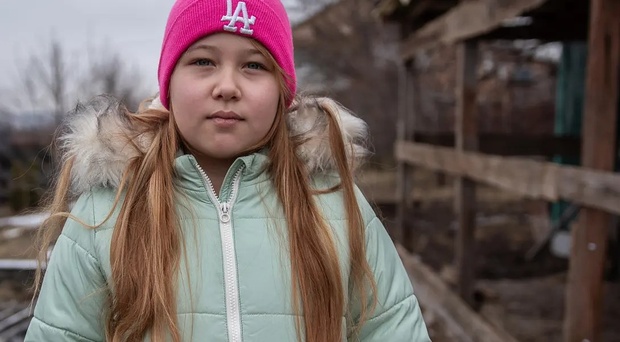
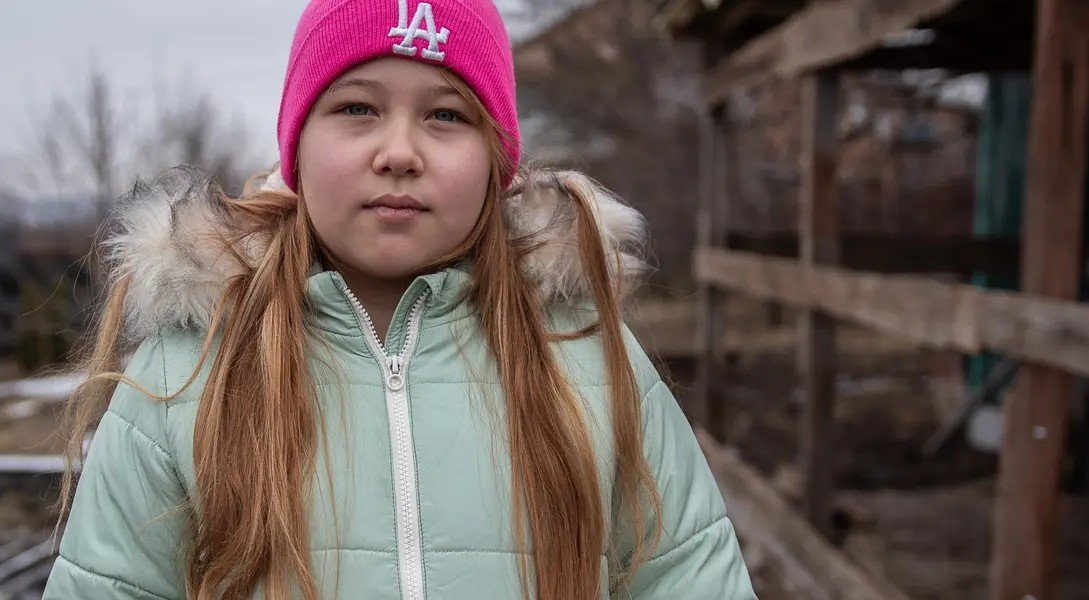
A Monash University study has reviewed global interventions for students aged 3-18 who have experienced war or armed conflict, finding school-based programs are uniquely positioned to restore a sense of safety, routine and normalcy for child survivors, many of whom may never access traditional mental health services.
Associate Professor Emily Berger, from Monash’s Faculty of Education, says that while schools are the ideal setting for support, many educators feel under-equipped to handle the complex trauma of displaced students.
“Our research shows that when we integrate mental health support into the daily classroom experience through trauma-informed education, we aren’t just teaching, we are providing a lifeline for recovery,” Berger says.
“The evidence suggests that the most successful interventions are those that involve the whole school community, ensuring that teachers and parents are supported alongside the students to create a ‘wraparound’ environment of safety.”
As Australia welcomes thousands of humanitarian migrants from regions such as Ukraine, the Middle East and Sudan, the research highlights that schools play a role far beyond academic instruction.
For many newly arrived children, the classroom offers a stable environment, making it an ideal setting for delivering trauma-informed support.
Figures suggest an estimated 2.5 million children have been displaced from the Ukrainian war. In 2023, globally, the United Nations Office of the High Commission for Refugees estimated that 114 million people were displaced due to war, violence and persecution – with 40 per cent of those children.
Schools here frequently partner with culturally competent specialist agencies. In New South Wales, for example, schools may refer affected families to the New South Wales Service for the Treatment and Rehabilitation of Torture and Trauma Survivors.
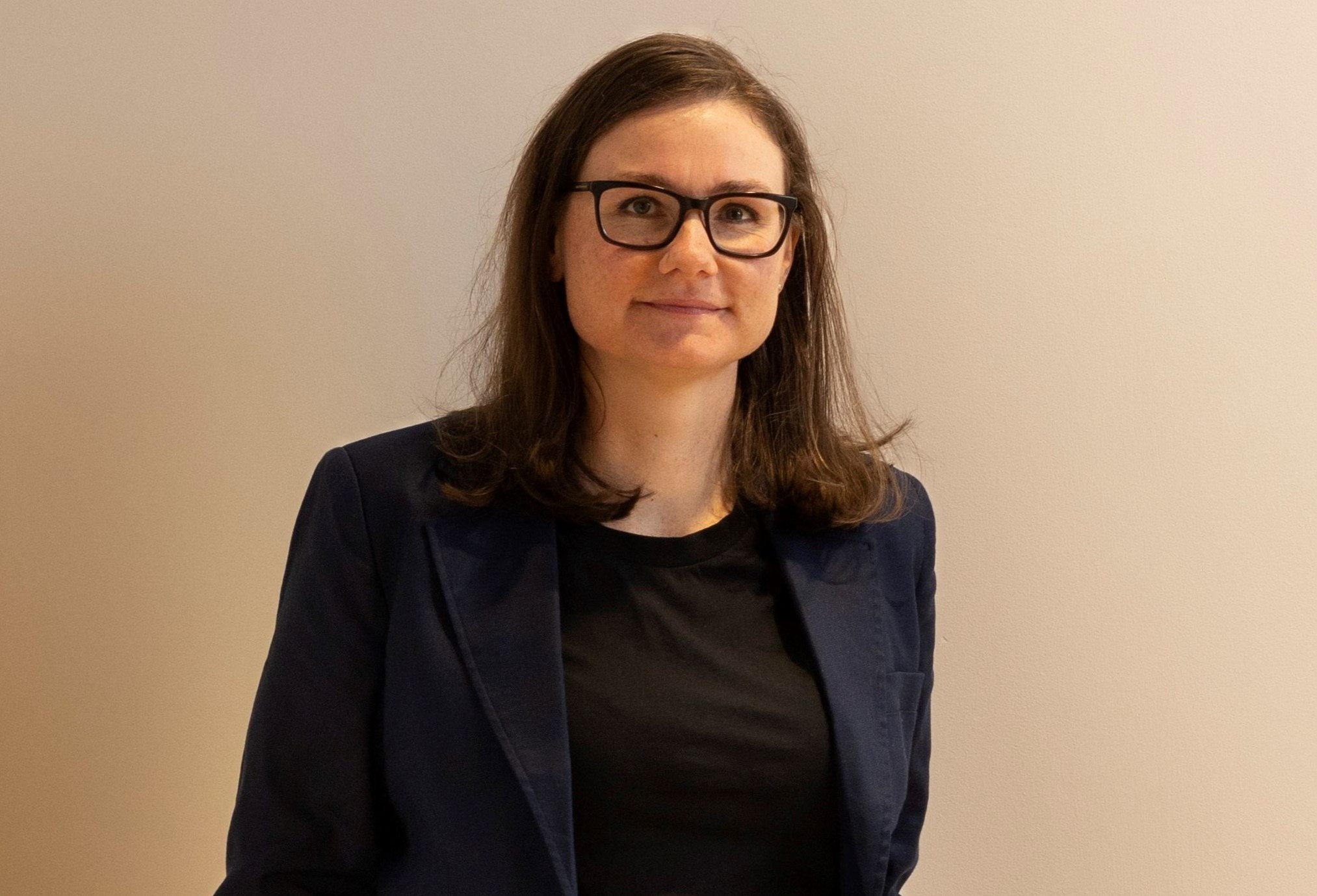
Associate Professor Emily Berger and her research colleagues have called for greater investment in culturally adapted trauma-informed programs to support Australia's refugee student population.
However, schools can do a great deal within their four walls and the wraparound care that teachers and parents can provide is more effective than, for example, isolated clinical therapy.
“It really takes a community approach, where you might have external agencies working alongside educators, when families are displaced through war ... their priorities [are] education and getting back to that normalcy as quickly as possible for their young people,” Berger tells EducationHQ.
“We know that children and families are going to connect and try to connect as soon as possible back into some form of education.
“So if we can equip educators and schools to be able to not only provide education, but provide it in a way that’s going to support the social and emotional development of the young person as much as their academic development, then that’s what we need to do through our work.”
At present Berger says our schools are not as well prepared as they could be to deal with students who’ve experienced war or armed conflict.
Yet there’s a growing emphasis on trauma-informed practice more broadly, and schools and teachers are getting more prepared to respond to the traumatic experiences of students and to support their social, emotional and academic wellbeing.
“War and conflict and displacement are forms of trauma – and the nuances of working with students who are refugees, migrant, have specific experiences around war and adversities related to war, we just don’t have through these programs.
“… the specifics of working with this particular cohort of students are very limited in terms of the programs and the evidence that’s available to support that work.”
Berger would love to see greater investment in culturally adapted trauma-informed programs.
“That ... culturally sensitive practice, is a missing piece of trauma-informed practice,” she explains.
“It should include elements of culturally sensitive and supportive care, because a lot of traumas that people experience, coming from different cultures or backgrounds, they might experience the trauma differently and need a different response based on their cultural and social needs.
“We need more specific programming, training, support, and school policy as well that supports trauma-informed practice in a broader sense for students who have been exposed to wars.”
These culturally adapted programs require financing, policy frameworks and government support in their formulation, growth and development.
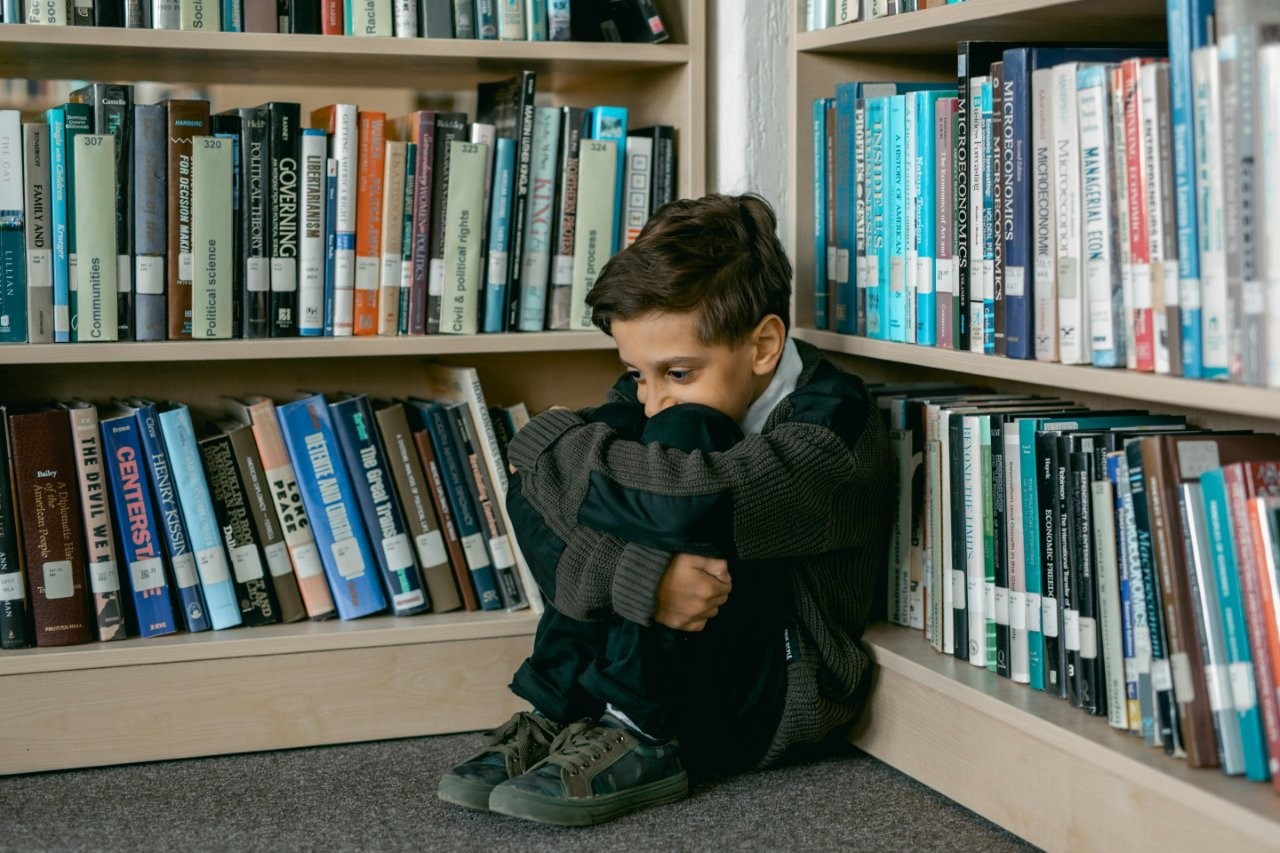
A Monash-led review identifies schools as an effective environment for delivering trauma support to students exposed to conflict and highlights that wraparound care involving teachers and parents is more effective than isolated clinical therapy.
“We need greater investment, research and widespread delivery of these," Berger says.
“There are already great examples of community-based programs and resources that are available for culturally and linguistically diverse families, so I think there’s opportunities for schools to work hand-in-hand with those organisations to not only upskill the school and upskill the educators to be able to do more of this culturally sensitive work, but we also need to invest in that and invest in the time and the effort that it takes for schools and educators to become upskilled in those areas.”
Berger says it’s not enough to simply give one-off culturally informed training.
“… when we’re talking about war and displacement from war, it’s always unique.
“It’s continuing to support the educator through that process,… having that culturally embedded practice is important.
“And it’s also important for the educators’ wellbeing, because they face challenges when working with students generally exposed to trauma, let alone those who come from these sorts of backgrounds.
Teachers need to work together with the backing of really strong, supportive leadership in this space, Berger says, where PD is prioritised and there is ongoing emotional support for staff.
“Bottom-up, it’s about teachers creating communities of practice or being champions and creating a group of champions within their school to drive forward this agenda of improving not only trauma-informed practice, but a culturally embedded trauma-informed practice.
“it’s a whole cultural shift of the school when you’re doing that bottom-up and top-down approach.”
The trauma for these students is ongoing even if they’ve relocated to Australia, because they’re seeing what’s happening to their country, Berger shares.
They’re seeing what’s potentially happening to family and friends who have remained in the impacted country, and are trying to get used to a new culture and a new way of living as well, while grieving the loss of their country, and potentially family and friends who maybe have passed away or are still in the country.
“And so there’s a lot of fear built into that for the student and for the families as well,” she explains.
“There’s this intergenerational trauma that can happen as well – and that’s all the more reason why we need to continue to support educators to continue to embed support and professional development into their day-to-day role, because it’s not that we’re working with young people who, ‘oh well, they’ve experienced this and now that’s done and now they’ve moved on and they’re ready to move on’.
“It could be a day-to-day, a week-to-week struggle for these students. And then equally, it can be a day-to-day, week-to-week struggle for teachers who are trying to engage these students in the best way.”
Ultimately, she says, schools need clear policies.
“It needs other people involved in the process, like school mental health professionals, as well as supportive leadership, ongoing support for teachers, not a set and forget one-off training program. It needs a whole school approach.”
Refugee Week is from June 15-21 and this year marks 40 years of recognising the resilience, contributions and stories of people who have built new lives in our communities.