Cleveland Education and Training Centre in Queensland has undergone something of a cultural shift in recent years, thanks to the work of experienced school leader Kaylene Mladenovic.
Students that come to the facility are now met with extremely high expectations, consistent classroom routines, intensive academic supports, and a place to learn and/or work towards a qualification that’s free from judgement, the educator suggests.
“There’s a high level of unconditional positive regard, so we don’t ever investigate why our young people are in detention, that’s not our core business – our core business is education, so we approach every young person as a learner first,” Mladenovic tells EducationHQ.
Some 97 per cent of the centre’s students identify as Aboriginal and/or Torres Strait Islander, and many have previously been disengaged from education.
Mladenovic says her staff ensure that each young person is given a model of what success looks like and are supported to experience it for themself in the classroom.
“Whether it be in a (learning) activity, whether it be in the completion of a course, that they came into the room in a positive way or that they actually wore their ‘education shirt’ to class – it’s celebrating the success of that.
“We really focus on all of the positives, because a lot of our young people have had significant trauma in their life and we have to try and make them see that there is a different way – where they are now doesn’t have to shape where they could be in the future…”
Time is precious in all schools, but this is felt even more intensely at Cleveland, Mladenovic says.
“More so than any other school that I’ve ever worked in, we don’t know how long we’re going to have our young people for.
“Their time in detention – whether it’s on remand or (a) sentence, that’s actually something that’s outside of our control, so we had to try and realign our thinking to ensuring that every single minute that we got with the young person in the classroom was valued, that it was purposeful, and that it was outcomes-driven.”
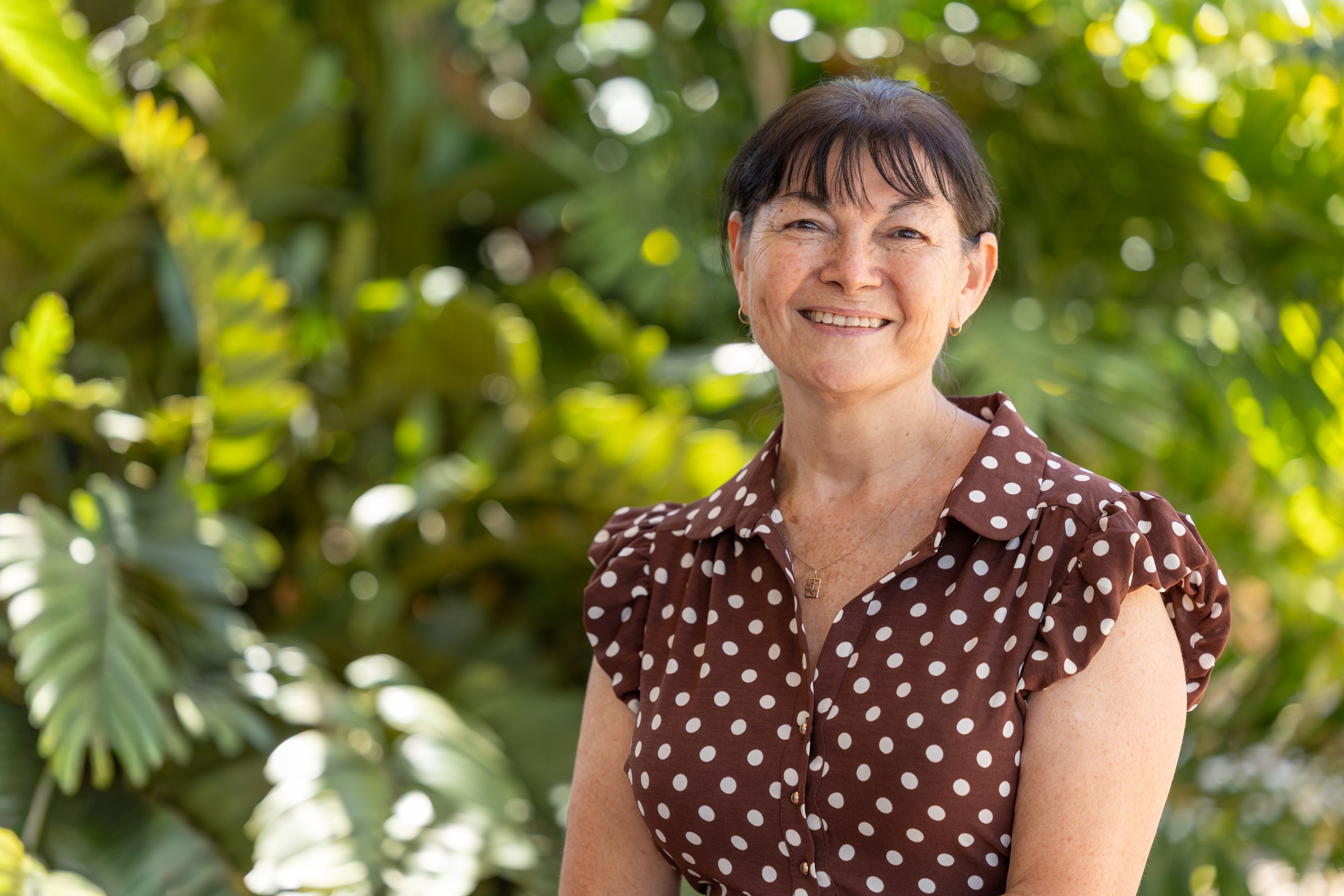
Mladenovic has just been named as one of 13 exceptional teachers and school leaders from across Australia who have won a 2026 Schools Plus Teaching Award.
Mladenovic has also overseen a physical transformation of the centre, one she says is designed to make the transition back into mainstream schooling less jarring.
Young people in detention often don’t have access to contemporary-looking classrooms to learn in, she adds, and so it was important that as many elements from a regular school were brought in.
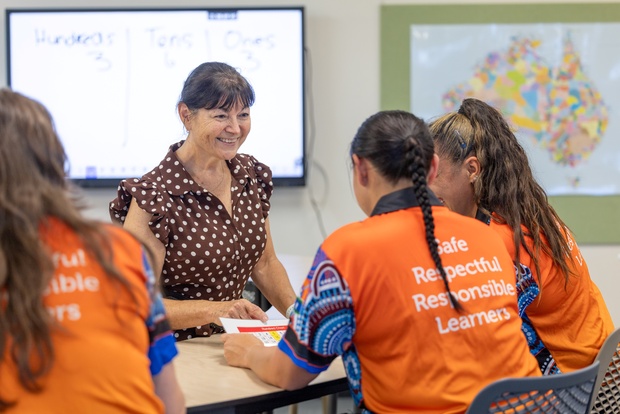
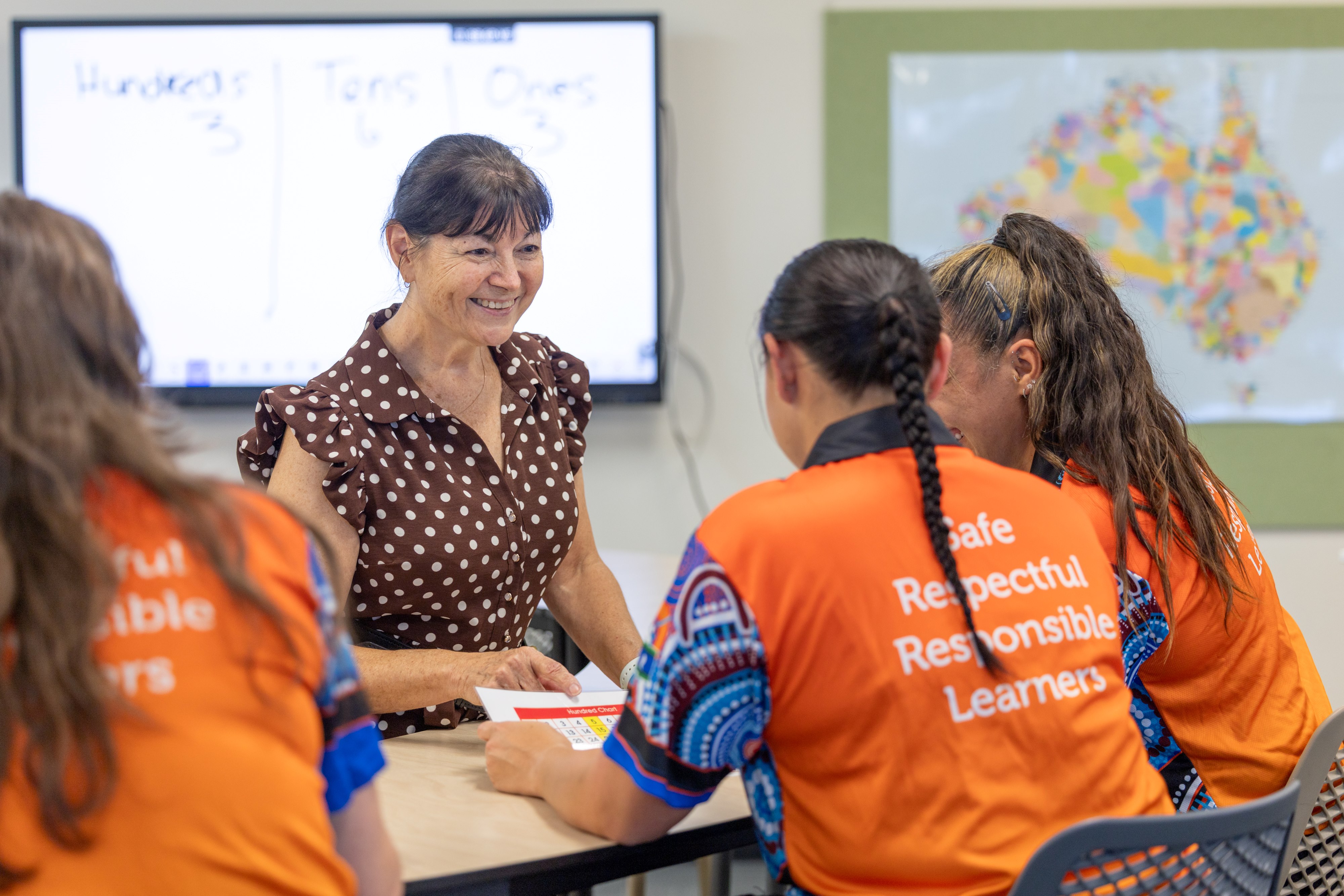
Now Cleveland students wear a special uniform, operate under clear behaviour norms, and use modified tables and chairs that make the environment feel as much like any regular school as possible.
Tellingly, the number of students completing a VET qualification has increased fivefold since 2023, and Mladenovic is big on forging close industry ties to give students every opportunity to get a qualification under their belt during their time at the centre.
She says misconceptions do remain around the kind of young people that enter detention.
“Some of the young people that I’ve met in detention are the most kind, gentle people I’ve ever met – but that’s not to say that’s every young person, we have to be real: we do work in a detention setting and our young people are there because they’ve been involved in criminal behaviour – so we always have that lens, but we try not to focus on that.
“We try to focus on ‘what options could you have if your life could be different if your circumstances were different? What choices could you have, and what tools and skills and experiences can we give you to make sure that you actually have the tools for better decision making in the future?’
“I think the misconception is possibly that these kids can’t change, and I actually believe that they can.”
Mladenovic has just been named as one of 13 exceptional teachers and school leaders from across the nation who have won a 2026 Schools Plus Teaching Award for their innovative approaches to improving learning and wellbeing outcomes for children and young people.
At an awards ceremony at Parliament House in Canberra on Monday, Education Minister Jason Clare praised the recipients.
“These teachers are changing lives and opening the doors to a brighter future for young people,” Clare said.
“Our teachers do the most important job in the world and we can’t thank them enough or too many times. That’s why these awards mean so much.”
Schools Plus CEO, Sherrill Nixon, said the award winners show what can happen when teachers take the time to understand the individual needs of their students and turn that insight into action.
“These are teachers who are curious, who ask questions, who don’t accept the status quo and who use data and research to find better ways to support their students,” she said.
“…what these educators also have in common is innovation. They’re trying something new, testing whether it works, improving it and then expanding it.
We need to scale up their best practice, Nixon added.
“If something is making a difference, we don’t want it to end with one teacher and one classroom.
“We want these innovative approaches to spread far and wide to support young learners wherever they are needed.”