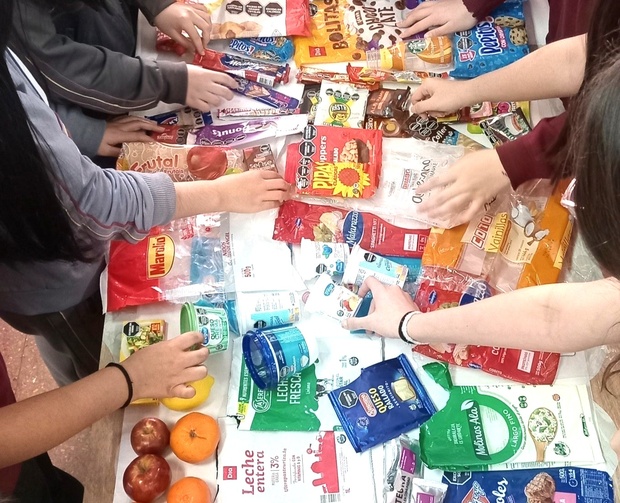
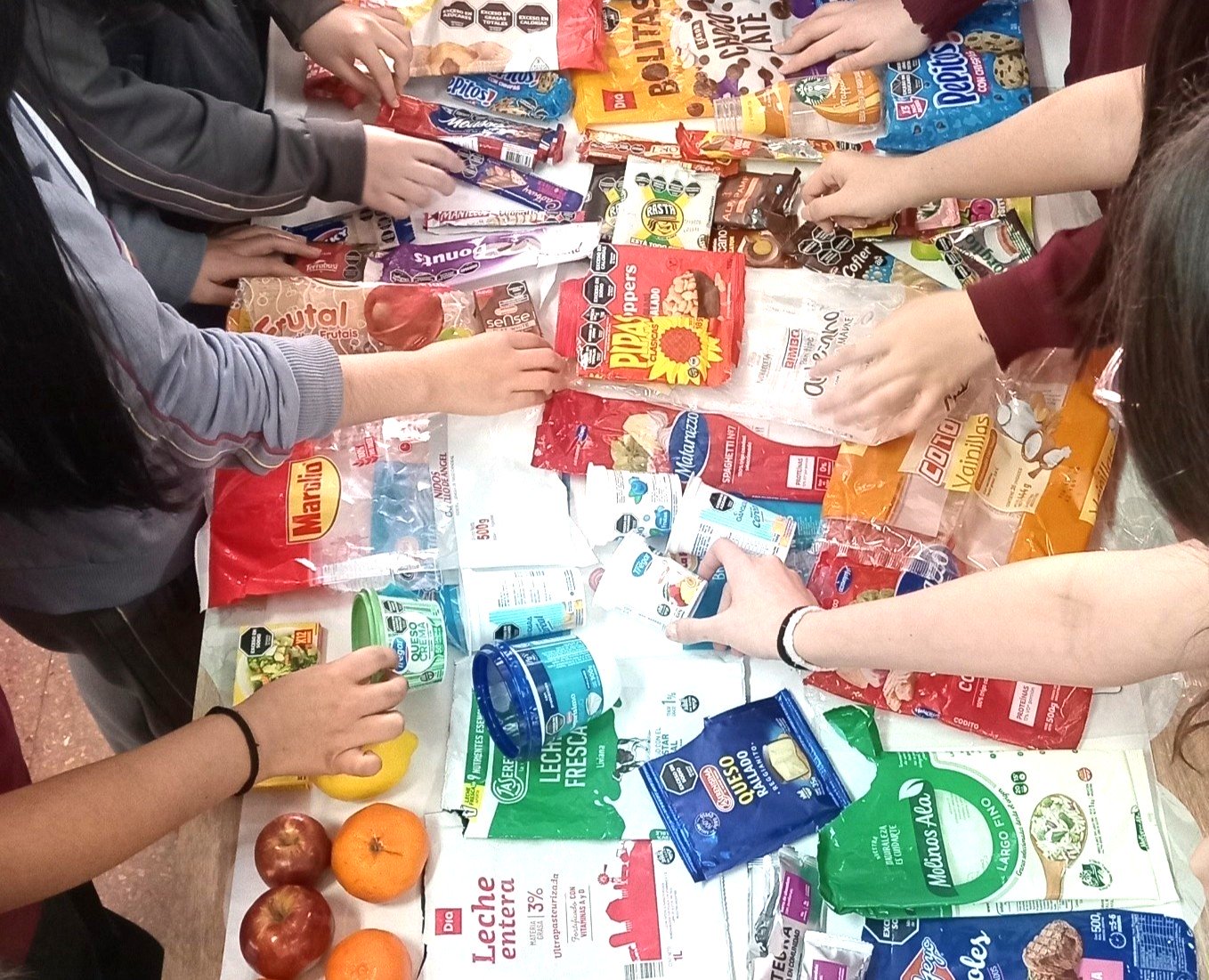
This familiar scene led me to wonder what Natural Sciences teaching might contribute if we worked in the laboratory with the foods students eat.
I wanted to explore what might happen if these foods, so present in their daily lives, became concrete materials for observation and comparison. From this initial thought, a question emerged that I felt would be worth exploring with them:
What learning opportunities might arise when the foods they ate every day entered the laboratory and became objects of observation and comparison?
I was not trying to establish which choices were correct or to assess whether students had an adequate diet. I wanted to explore what might happen when foods usually associated with personal decisions were examined from a different perspective, as objects of knowledge rather than simply as examples in a nutritional classification.
During adolescence, food choices are influenced by personal factors and by the environments in which young people live. The Food and Agriculture Organization of the United Nations (FAO) highlights the importance of food and nutrition education connected to learning experiences that are relevant to students’ lives. In Argentina, the Dietary Guidelines for the Argentine Population provide a framework for addressing these issues from a comprehensive perspective.
Context and organisation
The experience involved 30 students in their second year of secondary school, aged 14-15, and took place during a class consisting of two consecutive 40 minute periods.
The students had already studied food composition and were familiar with the main nutrient groups: carbohydrates, proteins, lipids, and vitamins. This prior knowledge allowed us to begin directly by examining specific foods.
Before the class, each student chose a full day and brought the foods they had eaten from the time they got up until they went to bed. They were not told which foods to bring, and no categories were established in advance.
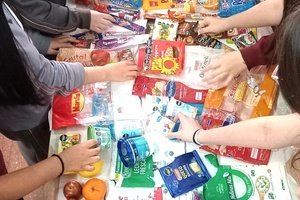
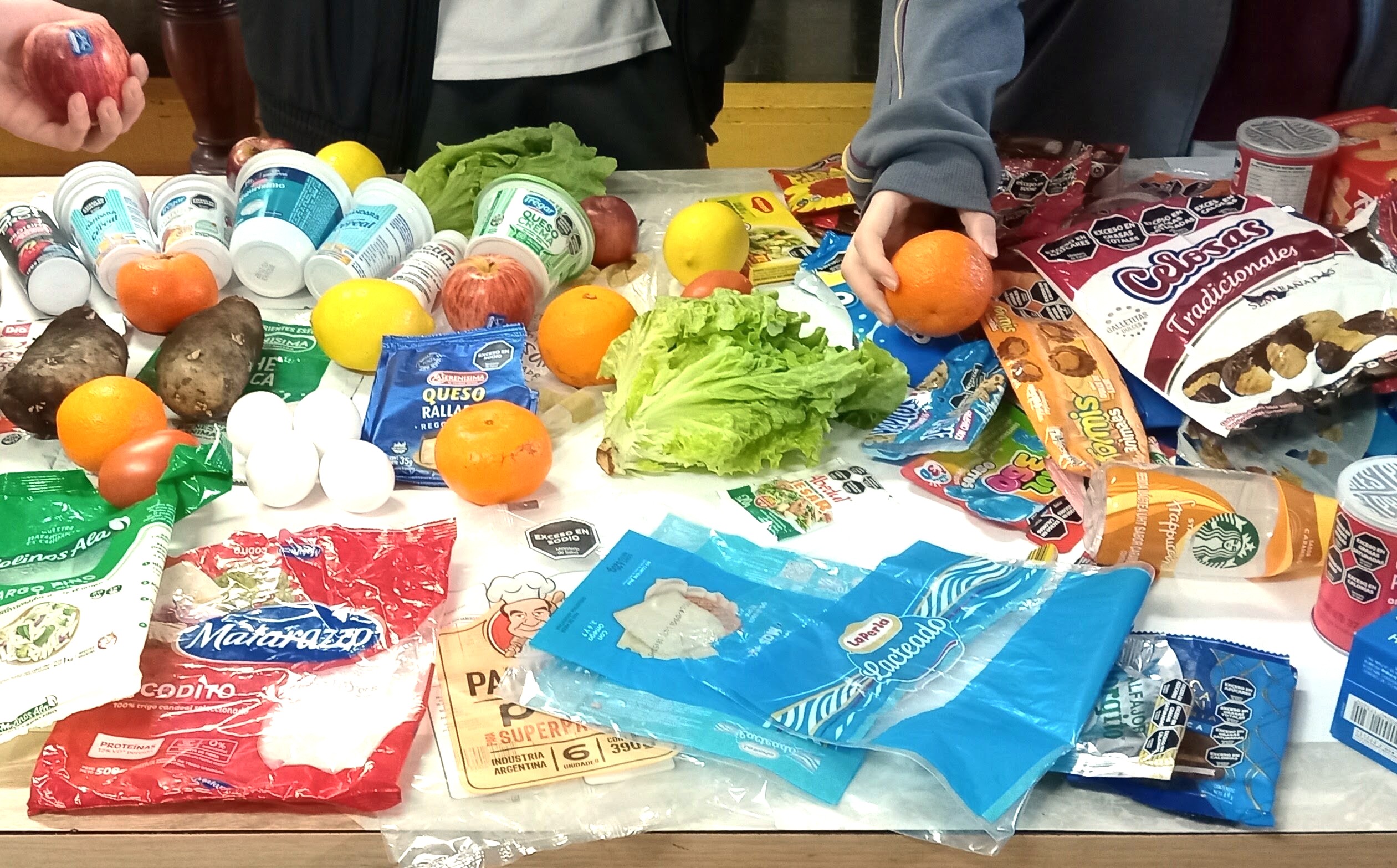
At the beginning of the class, the foods were placed on the laboratory tables. There were alfajores, chocolates, potato chips, and other packaged products, as well as fresh or less processed foods. Students examined the packaging, shapes, colours, and presentation of the foods.
When products were repeated, only one was recorded so that a wider variety could be examined. The purpose was not to count individual consumption or represent the class’s eating habits, but to provide a range of foods for observation and comparison.
The work had two stages. First, students examined packaged products and located information on their labels. They then worked with fresh or less processed foods and searched for nutritional values in food composition databases.
To organise the activity, the class was divided into three groups of ten. Within each group, students formed smaller groups of two to four and were free to choose their partners according to their friendships and affinities.
This arrangement made it easier to examine packaging closely and exchange ideas in smaller groups.
Meanwhile, I moved around the laboratory, observing the activity and listening to the conversations that arose spontaneously.
When food has no label
As students examined the foods, a practical difference became apparent, packaged products provided nutritional information on their labels, whereas fruits, vegetables, eggs, and meats did not have equivalent labels. For these foods, information had to be obtained from other sources.
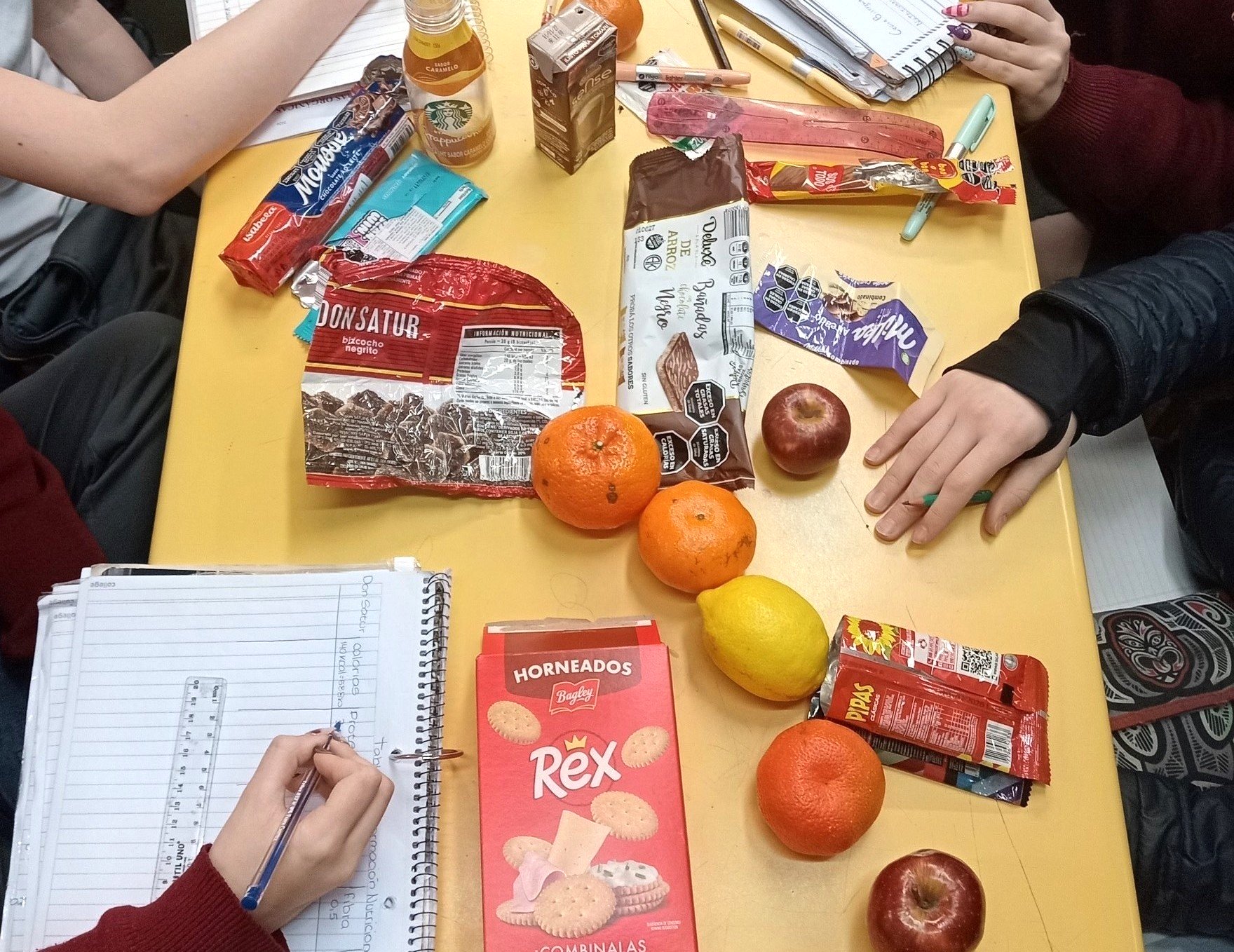
For packaged products, students first used the information on the labels themselves. When data needed to be checked or supplemented, they consulted SARA 2, the food composition table for Argentina. For fresh or less processed foods, they consulted ArgenFoods, the food composition database developed at the National University of Luján.
To make comparisons easier, values were generally considered per 100 grams. If a value was not available in the sources consulted, the corresponding cell was left blank. The databases were not used to carry out analytical tests on the foods, but served as reference sources for the activity. The difference between labels and databases also provided an opportunity to consider that nutritional information is not always presented in the same way or obtained from the same source.
From individual observation to a shared perspective
Students recorded the values for different nutrients in their notebooks and used them to compare foods. As they worked in their smaller groups, spontaneous conversations arose in which they connected the information they found with everyday situations.
While examining a packet of cookies, one student commented on the amount of sugar in each cookie and was surprised when he calculated how much it would add up to if he ate two or three. Another student compared the colours of two packages and suggested that the more striking colors might be intended to attract consumers’ attention. These were the students’ own interpretations, not conclusions established by the activity.
A conversation also arose around sodium content. One student connected the information on a packet of cookies with the medical advice his grandmother, who was nearly 90, had received to avoid salt because of a health problem. He explained that he sometimes scolded her if she ate those cookies. A classmate asked him why and, after hearing his explanation, replied that perhaps his grandmother simply felt like having a cookie.
When I approached them, I pointed out that food choices must take professional advice into account when a medical restriction is involved.
The conversation connected the information on the label with a specific family situation without turning it into a general rule about which foods any particular person could eat.
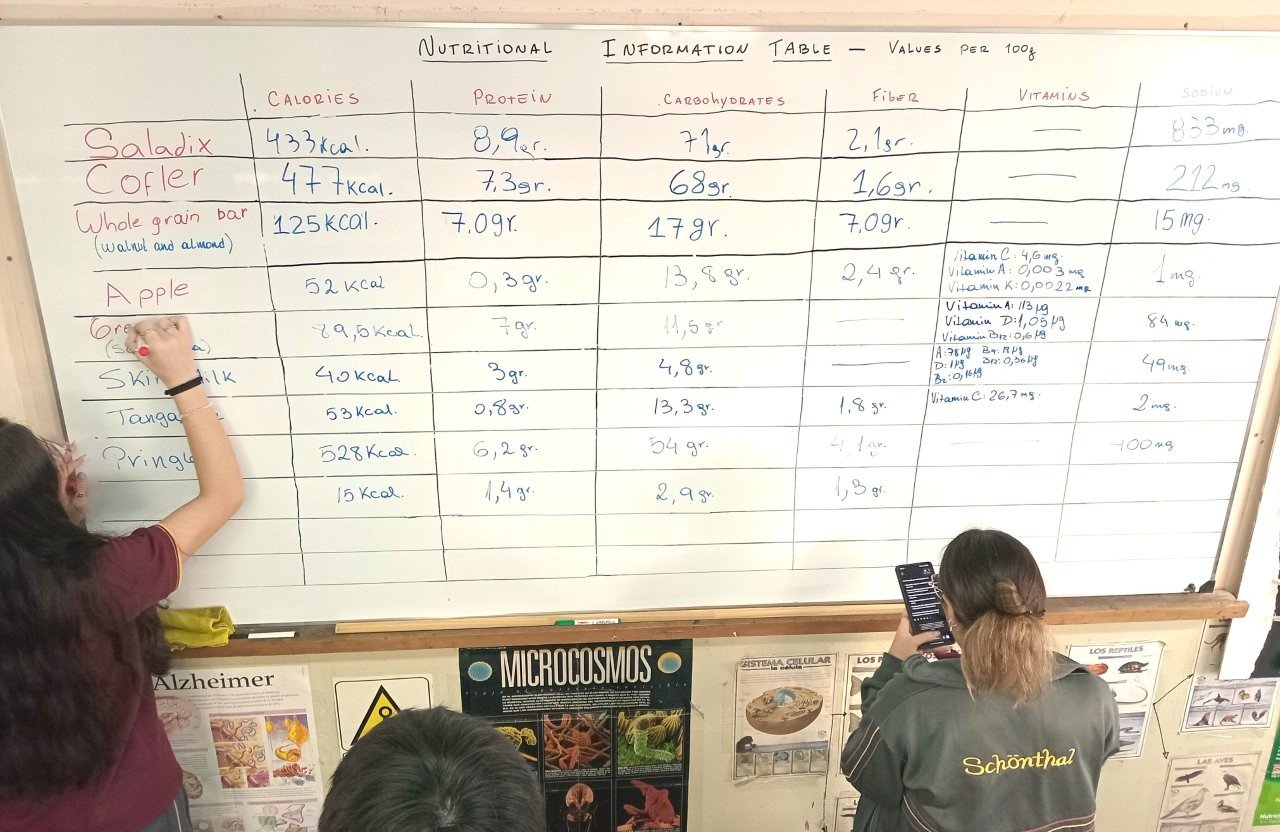
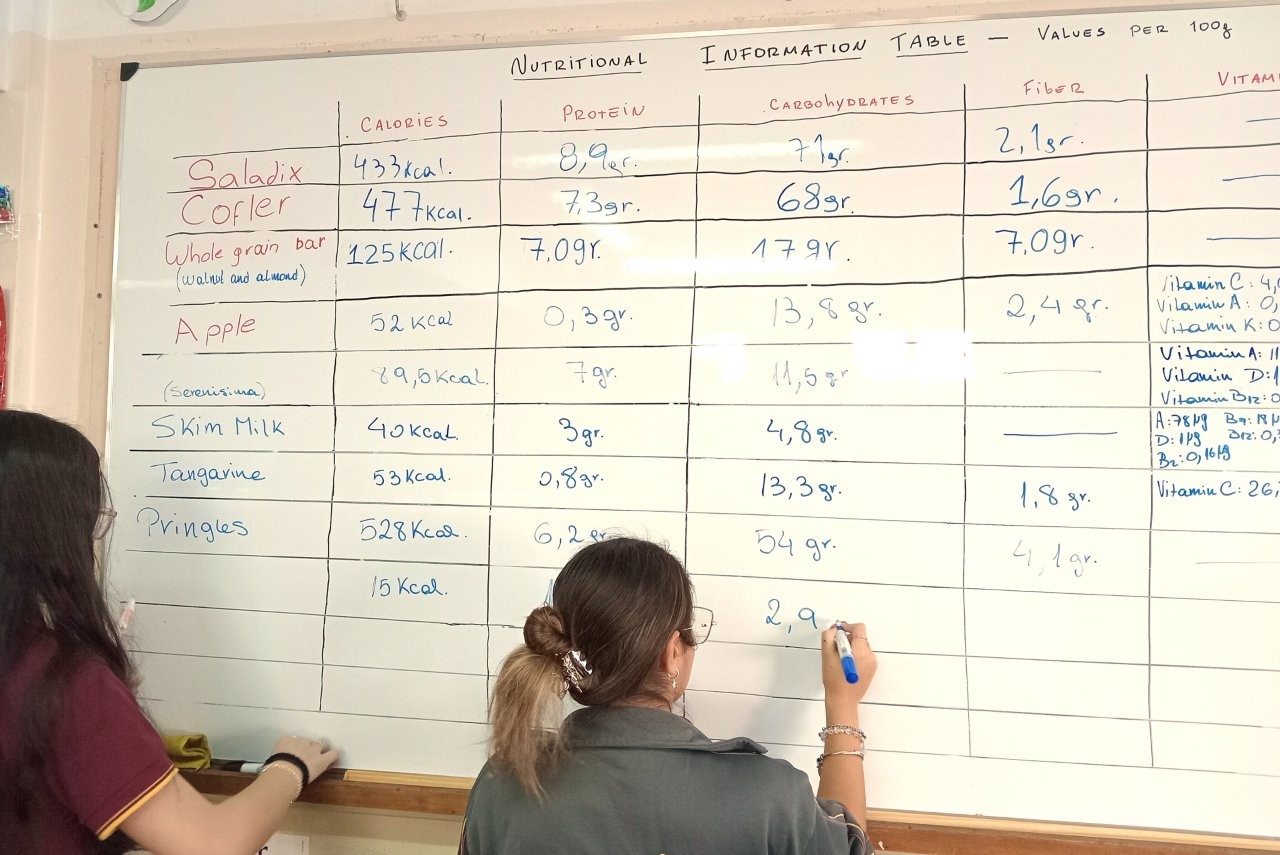
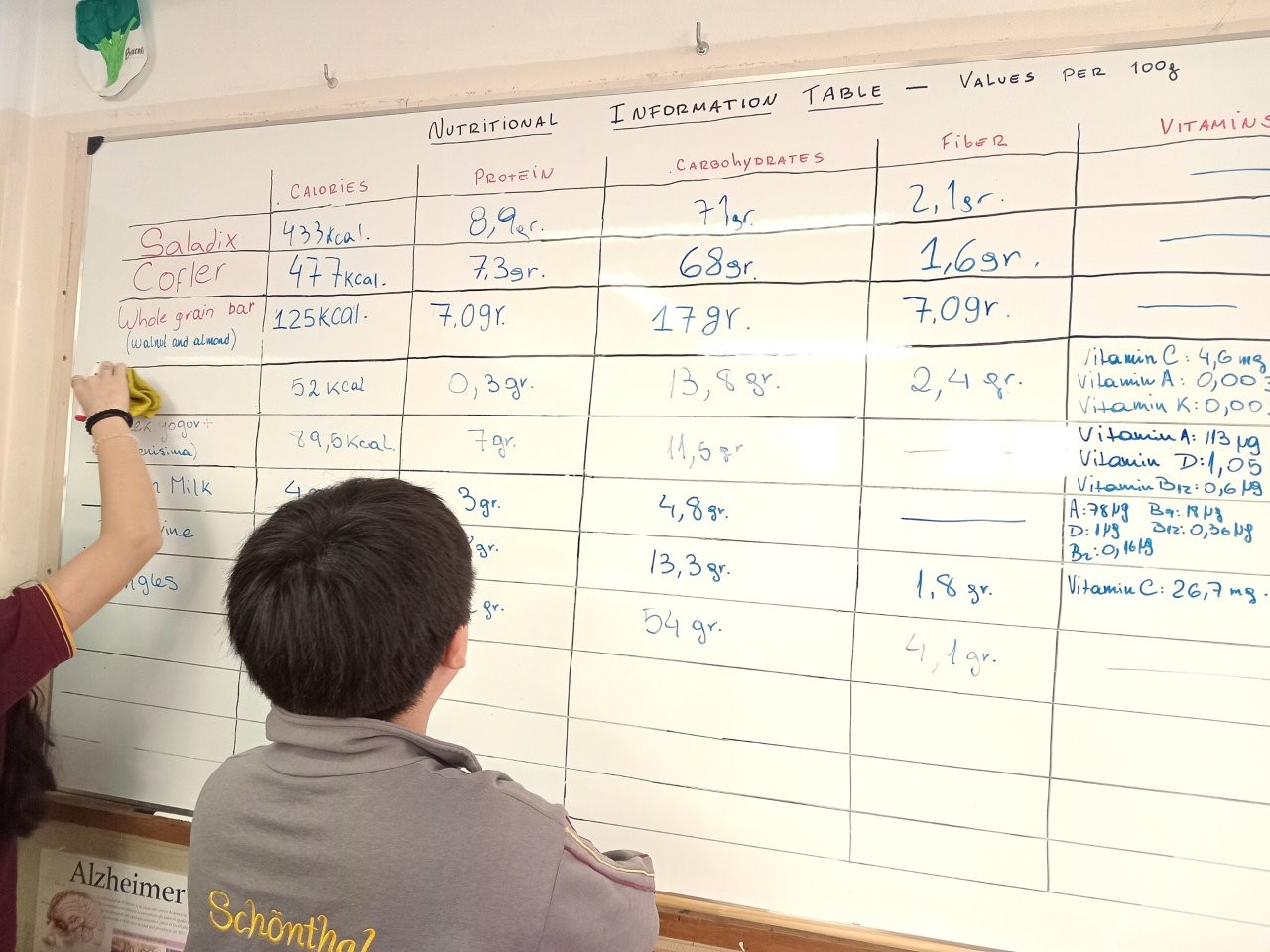
Once both stages of the work were complete, we brought the class together to share what the groups had found. Two or three students went to the board to write down information contributed by their classmates, while the others added data and commented on the comparisons.
The overall table included both packaged foods and fresh or less processed foods.
The table was not intended for statistical analysis or to represent the class’s eating habits. Its purpose was educational: to bring together the information recorded by the groups and make similarities and differences between foods visible. In this way, information that had previously been scattered across notebooks and labels was gathered in one place so that students could examine and compare it.
Working with the information
During the whole-class discussion, students pointed out values for sugar, fats, trans fats, and protein.
Their comments included remarks such as: “Look at how much sugar this has” and: “This one has a lot of trans fat”. Some judged a product unfavourably because of a particular value, while others highlighted the amount of protein in another.
When they turned to fresh foods, they noticed other information, such as the presence of vitamins. These comments reflected their initial interpretations of the information, not complete nutritional assessments of each food.
Working with nutrition labels requires students to locate data, understand what each value represents, and make comparisons.
A review of educational interventions found improvements in several aspects of nutrition – label understanding and use. A review focusing on adolescents also found improvements in label – related knowledge, although it noted that translating this knowledge into sustained practices remains a challenge.
These studies help place the experience within a broader discussion of food education and nutrition literacy, but they cannot predict its outcomes or measure its effects. In this class, I was interested in observing what students did when they had to find, record, and compare information about foods they had brought themselves.
A discussion about food choices
Toward the end of the class, one student said he would continue eating cookies, pizza, empanadas, and ice cream because he liked them. A classmate disagreed, arguing that eating cookies every day could be harmful, while ¨natural¨ foods that come from the earth would help keep people healthy.
Others mentioned personal experiences, such as pimples or stomach discomfort, which they attributed to certain foods. These comments expressed their ideas and experiences; they were not facts established during the activity.
In response, I invited the students to express their views, compare them with what they had observed, and think them through. I explained that the purpose of the activity was precisely to create a space where they could share their thoughts, question some of their ideas, and examine them in light of the information they had gathered.
The aim was not to impose my own food choices or declare that one student was entirely right, but to broaden the information each student could draw on when thinking about their decisions. Knowing more did not mean that they would necessarily change their habits, but it did give them information they could use to reflect on them.
What happened afterward: scope and limitations
In the days that followed, the topic came up again in some spontaneous conversations. One student commented: “Teacher, I brought a piece of fruit to eat today. I’m not going to eat cookies all morning, I’d rather have a piece of fruit and then maybe eat some cookies”. Other students said they had brought yogurt or oats, while some continued choosing doughnuts, cookies, or chocolate because those were the foods they preferred.
These observations were not part of a planned assessment and were not systematically recorded, so they do not allow us to claim that the experience changed students’ food choices. Learning was not measured before and after the class either. The literature also indicates that nutritional knowledge alone does not necessarily translate into changes in eating behaviour.
Several days later, the student who had spoken about his grandmother approached me spontaneously to explain that, at a family birthday celebration, he had seen her wanting to eat some cookies we had examined in the laboratory and had reminded her that she needed to take care of herself because of her health condition.
According to his account, she thanked him for caring about her and hugged him. The student told me about the episode with visible emotion and passed on his grandmother’s greetings. I listened to him and sent her my regards.
The incident showed that he had connected the activity with a personal experience, but it does not allow us to attribute a general effect to the class or to conclude that his intervention would be appropriate in other health situations.
The scope of this experience does not allow us to claim that students changed their eating habits, but it does show what can happen when everyday foods are brought into the laboratory and become objects of observation, information gathering, comparison, and discussion.
In this case, learning did not necessarily mean changing; it meant having the opportunity to look differently at something as familiar as food.