

Each year, thousands of Australian primary-aged children experiencing family violence become disconnected from education through no fault of their own.
Often displaced into motels, refuges and crisis accommodation, many are unable to attend school safely or consistently, placing them at significant risk of falling behind and disengaging from learning altogether.
Led by McAuley Community Services for Women and MacKillop Education, in partnership with Monash University, the program is designed as a bridge back to education, helping children maintain stability and continuity of learning during times of crisis.
“When women and children escape family violence, safety is rightly the first priority, but too often children’s education becomes another casualty of the crisis,” McAuley CEO Jocelyn Bignold OAM says.
“We see children moving between motels, refuges and temporary accommodation, separated from their teachers, classmates, routines and community – and many effectively disappear from education systems that are not designed to follow them during periods of instability.”
The program provides up to two hours of daily learning engagement through virtual delivery, and is aligned with the Victorian Curriculum. Its trauma-informed educational approaches prioritise safety, regulation and readiness to learn.
Critically, consistent, trauma-informed educators provided through MacKillop Education, build strong, supportive relationships with students.
In 2024-25, more than 6000 children assisted by specialist homelessness services in Victoria required short-term or emergency accommodation – and for 42 per cent of them, family violence was the main reason they sought help.
Bignold, who has more than 25 years’ experience in community services, policy development, management and advocacy, says every child has the right to learn regardless of their circumstances, and the program ensures these children remain connected to education, reducing the risk of disengagement and giving them the best possible chance of successfully returning to school.
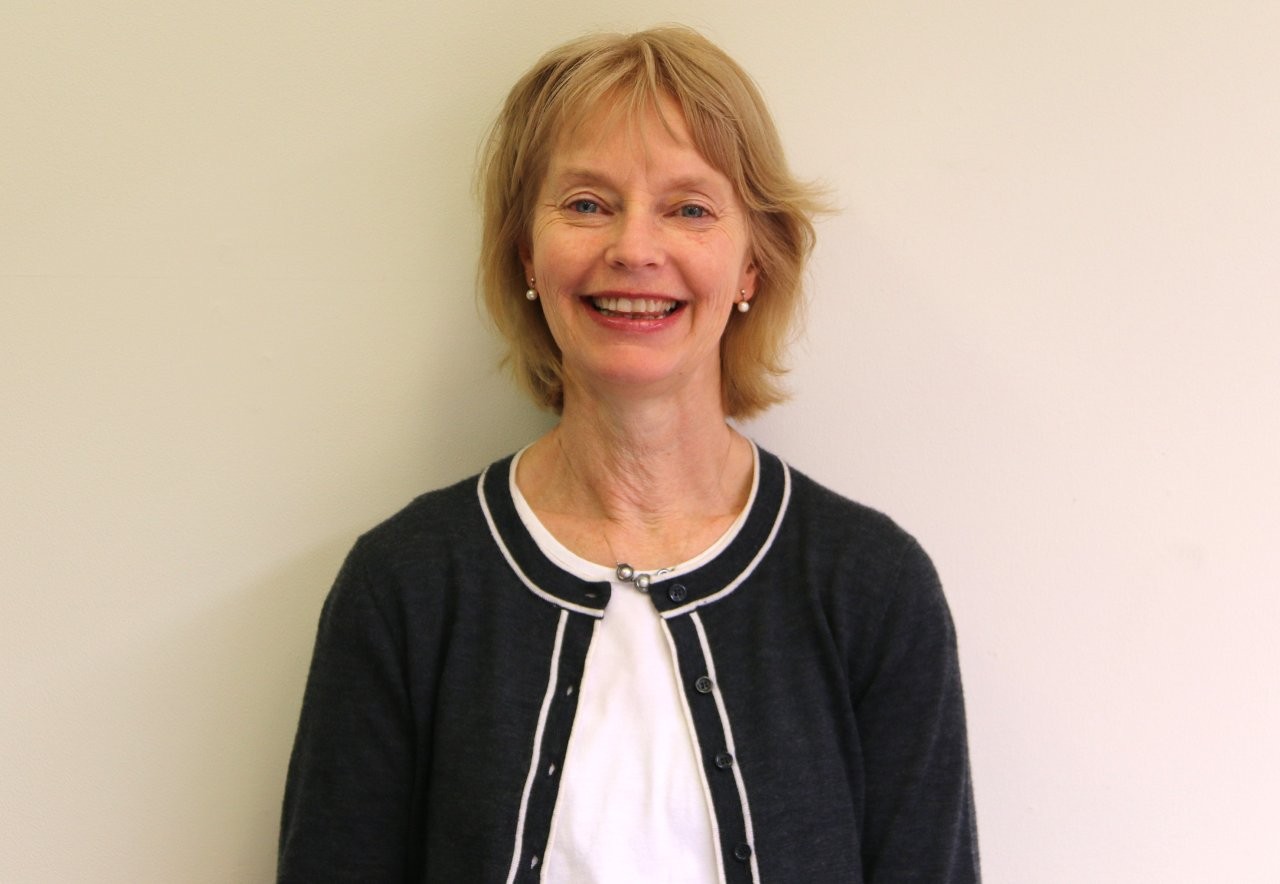
“For too long, we have accepted that children experiencing family violence and homelessness will fall behind at school while their families seek safety,” Jocelyn Bignold says. “This has enormous ramifications for children’s futures and for our whole society. It does not have to be this way.”
“We’ve discovered that on average, primary school kids are out of school around six weeks and that on average they’re around a year behind their peers,” she tells EducationHQ.
With many families moving multiple times within a year, learning loss can quickly become entrenched.
“When you match that with research from people like Pasi Sahlberg, who says that the gap doesn’t stay the same and doesn’t shrink, it actually widens over the years because some of those foundational pieces are missing, and so the kids fall further and further behind.”
Drawing on Monash University’s expertise in digital learning design and delivery, the program first provides a short-term stabilisation and re-engagement model that sits between crisis and reintegration into school.
“In this early stage, we are trying to work through what a child needs in relationship to what their mother needs, and that is going to be one of our biggest issues, I think – converting a referral through to an actual connection to a teacher.”
At present referrers including Safe Steps and wayss in Dandenong (both not-for-profit organisations supporting people experiencing family violence and housing insecurity) are helping to promote the service and ensure mothers are aware of the program.
What are called ‘intake workers’ then provide a device with downloaded, age-appropriate apps installed, and the child is then introduced to a teacher online, and that teacher follows them through until they’re settled into a school.
The devices are provided by Monash University and through DV Safe Phone.
“We’ve got very, very savvy eight-year-olds, I must say, and especially eight-year-old girls, who seem to be the ones that are most keen to pursue their education and most keen to use the devices,” Bignold shares.
Even though it is early days, she says a trial in 2027 will extend across the full school year.
“We started in August and we hope to get to about 100 through 2027, which would really test the concept,” the 2020 Order of Australia medal recipient says.
“Good Shepherd are testing a similar offering, so we’re working alongside them to test slight variations, and we’re hoping that Monash will be our evaluation partner across both versions, and then we’ll learn together and see which is the best.”
Schools are naturally doing what they can. Bignold says it’s critical that staff are very literate in family violence and what that actually means.
“Because children can be quite conflicted about mum and dad, and they need to be able to have safe places to talk about what they’re experiencing,” she shares.
While the children won’t necessarily reveal much, if at all, the research suggests that they would like to be asked.
“It’s such a pervasive issue for many children, and children as young as Grade 2s and 3s will be able to tell you what’s going on and what they need,” Bignold suggests.
“That’s a starting point. Secondly, if a child is whipped out of school at short notice, how could a school safely be in contact with the family and how can they possibly provide some sort of continuity of learning for the child?
“Perhaps that’s where they can start asking questions of us, ‘well, I’m aware of a child’…, we might not know about it, but ‘how can we safely contact them?’ And we start to gain some momentum about this.”
As can be so often the case with these types of programs, funding is tough going. The initiative is currently supported entirely through philanthropic investment, but ongoing backing is required to ensure it is sustainable in the long-term.
“I believe it needs to come through the Education Department in some form or another,” Bignold says, pointedly.
“We want the Education Department to work with us on finding the best solution.
“There is no solution that we’ve been able to find for these kids to date – no online school, no remote school, no hospital school, no other school is set up to work with these kids.”
For now, ongoing funding is critical to providing more children with the ability to continue their learning need while in crisis and short-term accommodation.
“For too long, we have accepted that children experiencing family violence and homelessness will fall behind at school while their families seek safety,” Bignold shares.
“This has enormous ramifications for children’s futures and for our whole society. It does not have to be this way.
“This is a practical, evidence-informed solution that keeps children connected to learning when they need it most.”