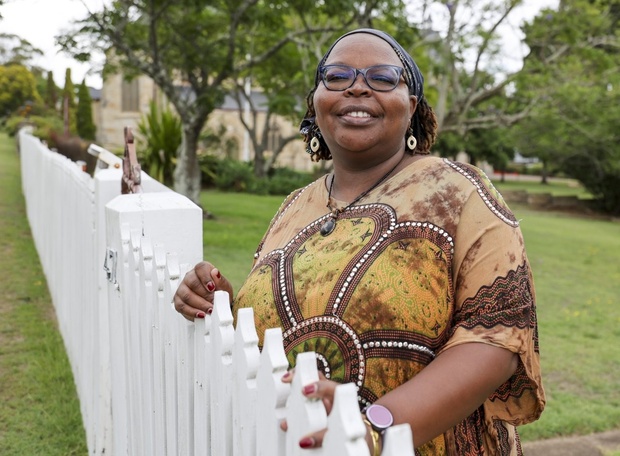
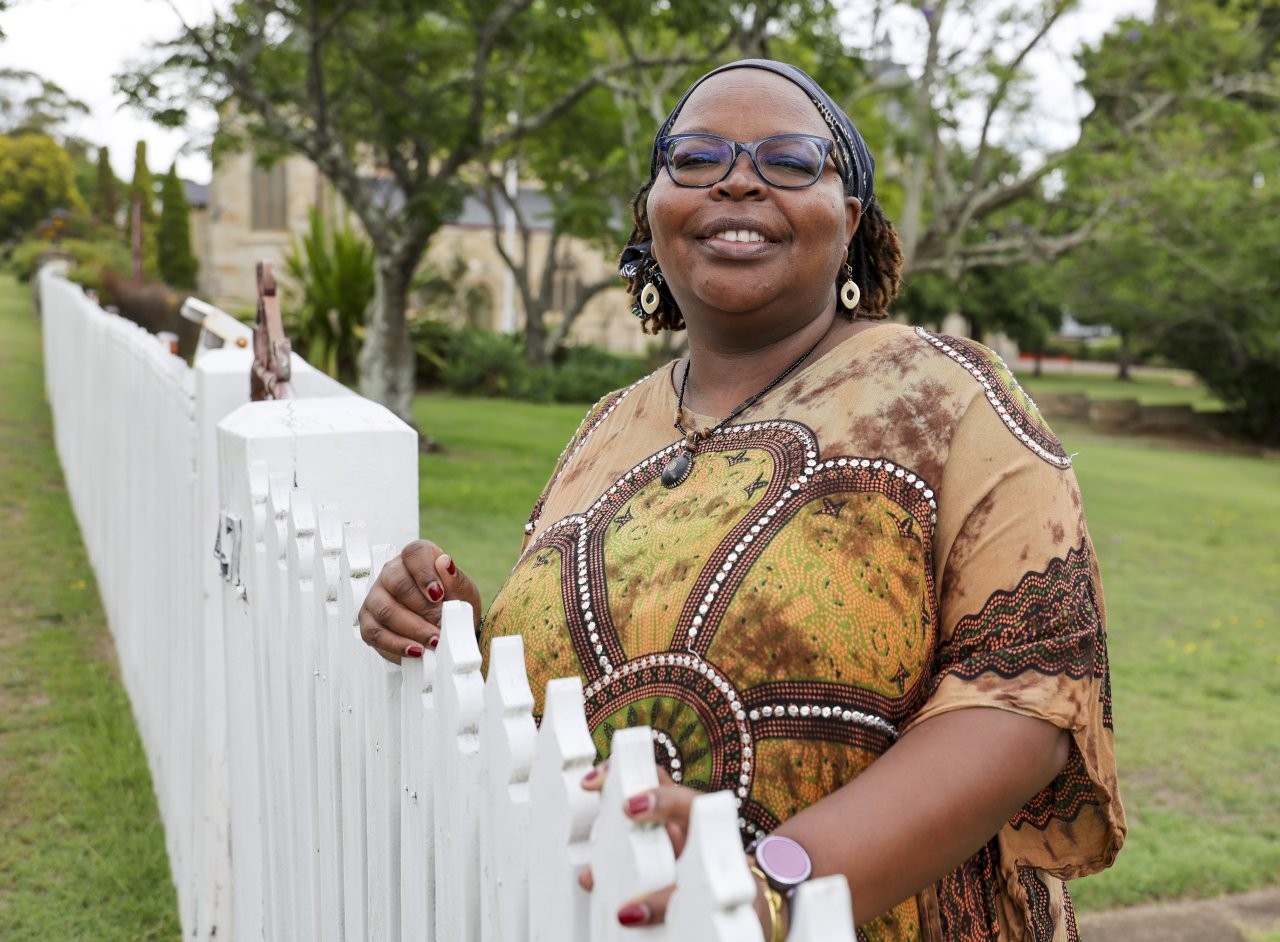
It means ‘no worries!’ – which seems kind of perfect, as according to ex-pat Kenyan Australian teacher Monica Njoroge-Eaton, it really sums up both countries’ approach to life.
Having arrived in Australia in 2003 to study a Masters in IT in Melbourne, over five years she grew to love a country she saw as very similar to her own.
“It’s really not that different. The people are easy going and easy to talk to, and yeah, that just felt really nice,” Njoroge-Eaton tells EducationHQ.
“I’d be on the train and there’d be someone talking to me and I didn’t expect that.”
Having completed her masters, gained her permanent residency and citizenship and shortly after marrying an Aussie, Njoroge-Eaton worked for a short period in the corporate world (“I didn’t really like it”), before completing a graduate diploma and became a high school IT, geography and history teacher.
Moving to Newcastle in 2017, she has been a special ed teacher at Irrawang High School in Raymond Terrace for the last five years.
It was after arriving in Newcastle, while trying to teach her own children Swahili, that Njoroge-Eaton realised how difficult it was to pass on language and culture without a shared learning environment, and so after linking up with a group of ex-pat Kenyans called Wananchi Newcastle, she launched the Newcastle Kiswahili School.
For two or three years it was just Njoroge-Eaton and a small dedicated group of kids on a Saturday, but that has since expanded to 40 students taught by four teachers across two campuses in Newcastle and on the central coast.
With no established course from which to draw on for teaching Swahili, Njoroge-Eaton has learned to teach the language from scratch.
“I had to come up with all the resources and the syllabus, because in NSW there was no syllabus at the time for language learning at primary level.
“Nowadays there is a syllabus for different languages, not for Swahili, but there’s at least a basis for primary which is helpful, but I had to do all the resources, I had to do all the planning.”
Njoroge-Eaton says thankfully Swahili is not a difficult language to learn.
“… because it’s phonetic so whatever you’re writing you will be able to pronounce it as it is written, so it’s quite easy,” she says.
The spelling rules are consistent, the verb structure is simple and predictable, and the noun system is logical and easy to follow.
The Kenyan ex-pat educator has used innovative and imaginative methods to teach the language.
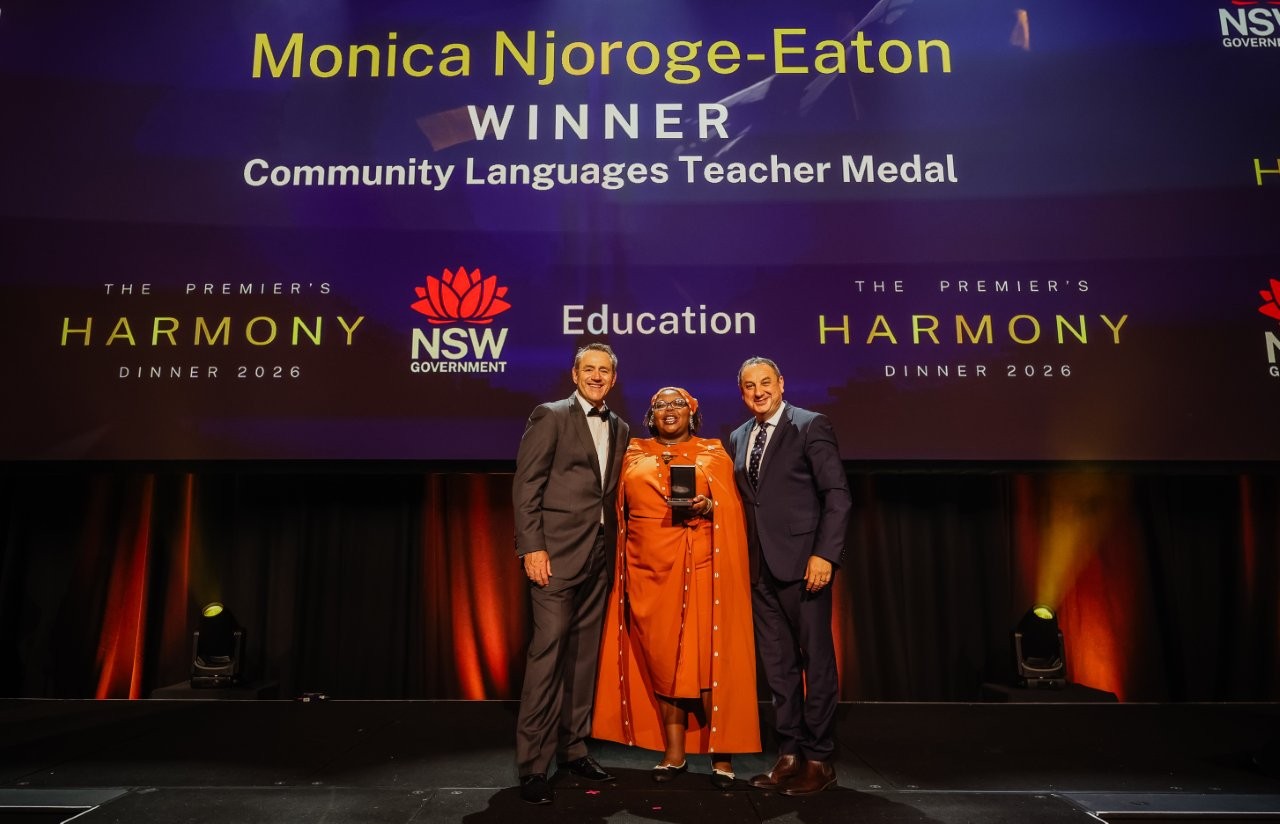
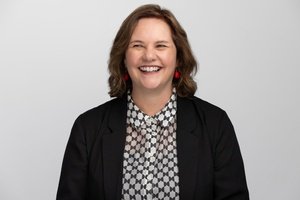
Newcastle educator Monica Njoroge-Eaton's commitment to language, culture and connection through Kiswahili saw her awarded this year's NSW Premier's Community Languages Teacher Medal.
She keeps lessons active and practical and students learn beyond the classroom through excursions to farms and zoos, where they identify animals and birds and name them in Swahili.
“We use a lot of songs and stories and games,” she shares.
“In the last year we’ve written Swahili books because we noticed none of the libraries in Newcastle in the Hunter region had any Swahili books.
“For example, the kids had an idea and wanted to write something about African animals, so we went out to the zoo and looked at African animals and did some sketches and came up with a story that we turned into a bilingual English Swahili story book.”
Students range in age from 2 to 18.
“I just love being with the kids, it’s such a rewarding thing to do, to teach and to show them this language.
“And they think that they can’t speak, but they try. They try really hard and it’s so nice to see that,” Njoroge-Eaton says.
Swahili originated along the East African coast and is spoken by more than 200 million people worldwide, according to UNESCO.
In Kenya most people speak three languages, with about 50 different languages spoken across the country based on whichever community you’re from.
Swahili and English are the national languages, so everyone learns them in addition to their mother tongue.
Swahili is spoken in eastern and southern Africa, and while most of Njoroge-Eaton’s students are from these regions, some families are learning the language with no African connections.
Learning languages is heavily prioritised in many countries, however here in Australia it’s a small cohort that’s shrinking by the year.
New research shows just 7.6 per cent of Australian students study a foreign language in Year 12, dropping by a third since 2010. To put that in perspective, in Europe, 96 per cent of students study a foreign language in their final year of high school.
The peak foreign language teachers association, Australian Federation of Modern Language Teachers Associations (AFMLTA), has described declines in languages as a “national emergency” in its 2024 report on language learning.
While experts claim Asia capability, in terms of language acquisition, is not simply an educational aspiration; it’s a sovereign capability essential to Australia’s security, prosperity and diplomatic influence.
Learning an African language such as Swahili, while perhaps not having having quite the career or economic impact for the learner, can still provide far-reaching positive outcomes.
A shared learning environment, for example, can be powerful, and while bringing students together for lessons and excursions in Swahili has been a learning opportunity, it’s also been an important social opportunity for the kids.
“It is just so good for them to interact with the kids who look like them. They don’t get to see many kids who look like them in their normal mainstream schooling, so it’s fantastic to watch them just come together and play together and grow up together,” Njoroge-Eaton explains.
The Newcastle educator’s commitment and excellence last month saw her awarded the New South Wales Premier’s Community Languages Teacher Medal for 2026.
It was a proud moment, she admits.
“It has meant quite a lot to me personally, but especially to the team at Wananchi. They’re a group of very dedicated volunteers and just getting that recognition has been amazing.”
Not surprisingly, Njoroge-Eaton says if any teacher is interested in teaching Swahili, she’d be more than happy to share her knowledge, experiences and expertise.
“I would like to offer it to anyone who would be happy to start a school.
“I am happy to share my resources. I would be so happy to have another school in Sydney or anywhere else regional where we can’t reach. That would be great.”