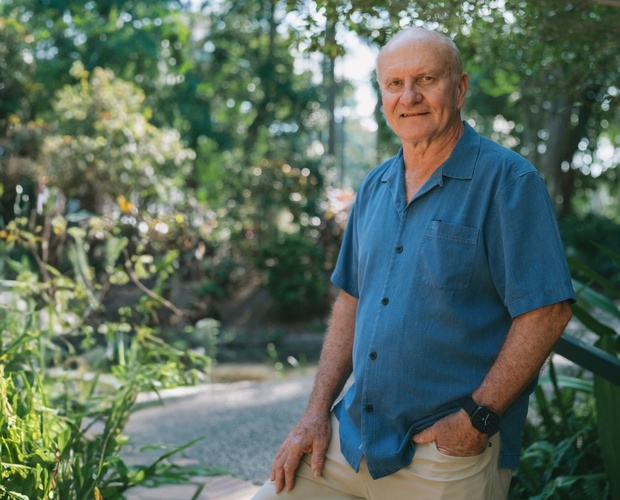
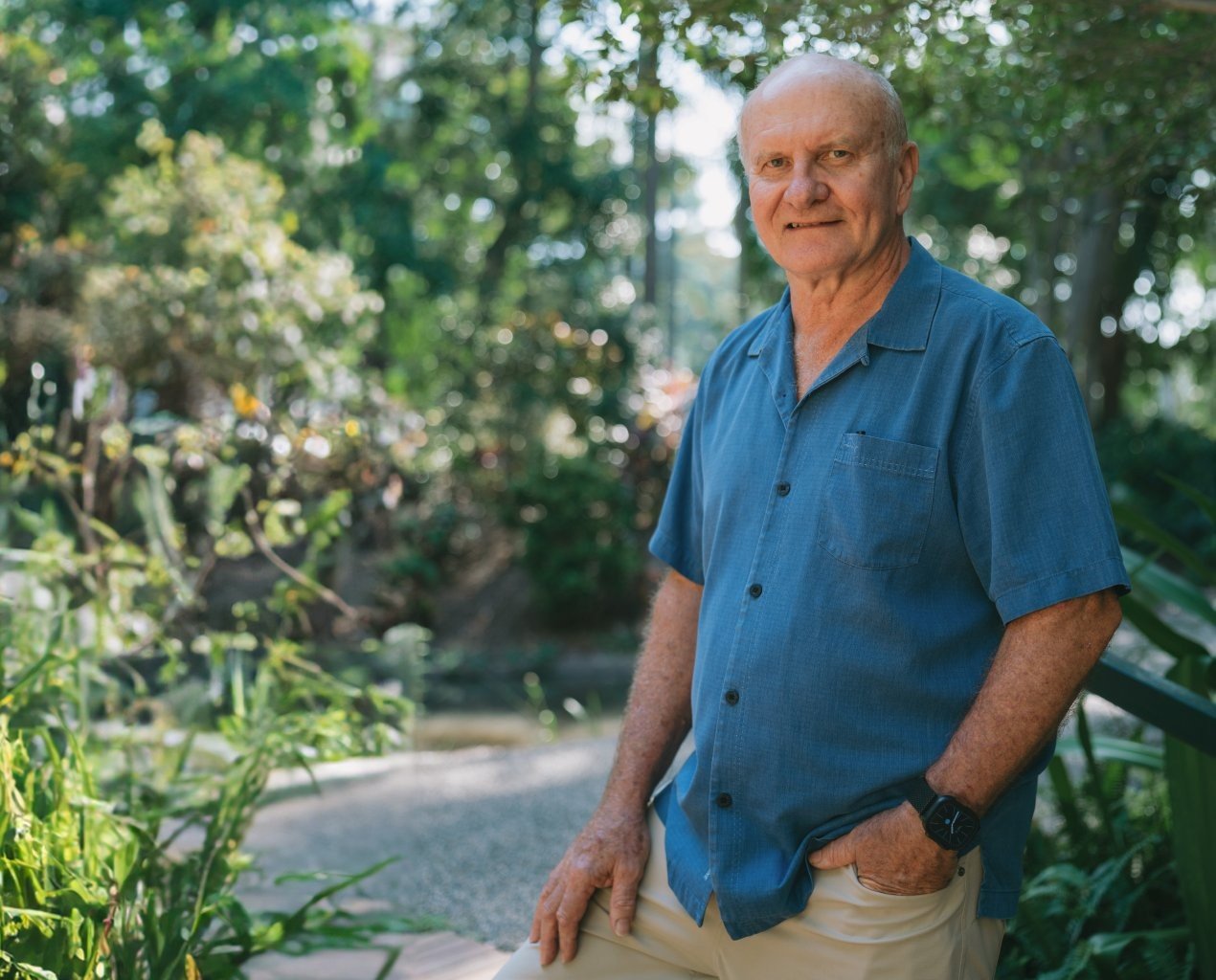
CQUniversity’s Professor Ken Purnell says the Federal Government’s response to persistent and uneven literacy and numeracy outcomes provides an opportunity to rethink the fundamentals of learning.
“You can’t build a skyscraper on foundations that aren’t secure,” Purnell says.
“Literacy and numeracy are the foundations that allow students to tackle increasingly complex learning.
“When those foundations are secure, working memory is freed up for higher-order thinking. When they aren’t, students can spend all their cognitive effort trying to understand the basics rather than thinking about the bigger problem.”
His comments follow Federal Education Minister Jason Clare’s call for a “digital detox” in schools and his announcement that education ministers will consider ways to reduce screen use in classrooms.
The NSW Government also announced today that it will introduce caps on the amount of time students spend learning on screens and online, it claims will help curb excessive screen use, improve attention, and ultimately lift educational outcomes.
“Our government’s research is telling us that excessive screen use is a problem, and that parents want screens to be used intentionally,” education minister and deputy premier Prue Car said in a statement.
“That means screens should not be the default.
“When the research is telling us teenagers are spending as much as seven hours a day on screens, and we are seeing reading and writing skills going backwards for a whole generation of children, we have to act.”

“The PISA results shouldn’t lead us to conclude that technology is the problem,” Professor Purnell says. “They should lead us to ask whether we are using technology in ways that support learning or ways that compete with it.” PHOTO: Djavan Rodriguez
While Purnell agrees reducing unnecessary technology use is sensible, he says the debate must go beyond simply taking screens out of classrooms.
“The question isn’t whether technology belongs in the classroom. The question is whether it is helping the brain learn or getting in the way of learning,” he says.
Australia’s current education debate provides an opportunity to move beyond arguments about whether schools should be “traditional” or “digital”.
“This isn’t a battle between pencils and laptops. It is about putting learning first,” Purnell says.
The 2025 PISA results show Australia remains above the OECD average in reading, mathematics and science, but its longer-term decline in literacy and numeracy remains a concern.
The OECD also found Australian students spend among the highest amounts of time internationally using digital devices for learning at school, while digital distraction remains a concern.
“The PISA results shouldn’t lead us to conclude that technology is the problem,” Purnell says.
“They should lead us to ask whether we are using technology in ways that support learning or ways that compete with it
Purnell, who has been actively involved with the Queensland Curriculum and Assessment Authority since 1992, says early identification of learning gaps must be matched with timely intervention.
“Screening without effective intervention is simply finding a problem and then leaving the child with it,” he said.
“The real value of early assessment is that it tells us what the next learning goal should be and gives teachers the opportunity to act before a small gap becomes a large one.”
Students needing additional support also need more than additional time.
“Extra time isn’t an intervention. Students need explicit teaching, guided practice, useful feedback and repeated opportunities to experience success.”
The Federal Government has committed to Year 1 phonics and numeracy checks and is considering changes to the early years of the mathematics curriculum.
Purnell says curriculum reform should also address the problem of trying to teach too much, too quickly.
“We have known for years that curriculum overload is a problem. When too much is taught too quickly, students don’t have enough time to practise, retrieve and consolidate knowledge.”
“Learning is a marathon, not a sprint. Covering more content does not necessarily mean learning more.”
Successful education reform needs to recognise the expertise of teachers and school leaders, Purnell says.
“The people closest to students need to help shape the response. Policy can create the conditions, but skilled teachers and school leaders are the people who adapt evidence to the real child sitting in front of them.”
Reducing unnecessary administrative workload should also be part of reform so teachers can focus on activities that directly support learning.
Ultimately, Purnell says the success of education reform should be measured by what students actually learn.
“The true test of school reform is remarkably simple: are more students understanding more, remembering more and becoming increasingly independent learners?” he says
“And perhaps just as importantly, are they enjoying learning?”
“We should use every tool available to us – including contemporary neuroscience and technology – but we should never lose sight of the fundamentals of how human brains learn.”