UN Special Rapporteur on the Rights of Indigenous Peoples Albert Barume was denied access to Darwin’s Holtze and Queensland’s Cleveland youth detention centres on his visit to Australia, which wrapped up on Friday.
He described the ongoing detention of Aboriginal children as a new Stolen Generation of children.
Statistics show First Nations youths remain heavily over-represented in detention nationwide.
“The state of protection of Indigenous people’s rights... is really embarrassing,” the Democratic Republic of Congo expert told reporters on Friday.
“I am convinced Indigenous peoples’ rights are unsafe in the hands of states and territories.
“(Indigenous people) are not sure those rights, those gains, those progresses will survive the next (federal) election.”
The Federal Government was duty-bound to institute a national, minimum mandatory standard for youth justice, he said.
“In certain prisons, 90 per cent are Indigenous peoples ... with some of those as young as 10-year-old kids,” Dr Barume said.
“(Indigenous) youth can’t continue to populate prisons, youth can’t continue to populate the majority of the care system because it’s killing the coming generation.”
Barume also pointed to the overwhelming 60 per cent ‘No’ vote on the Voice referendum for unleashing “the floodgates of racism and bigotry.”
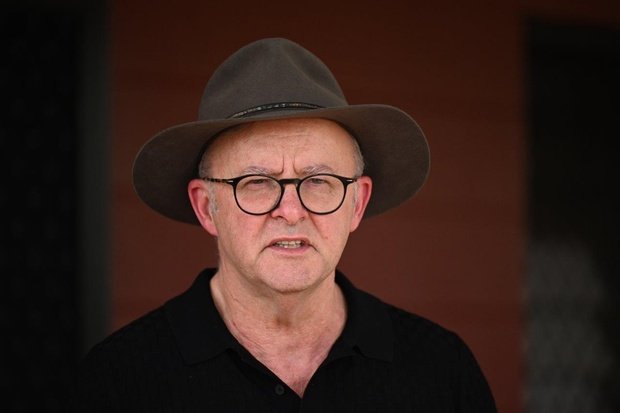
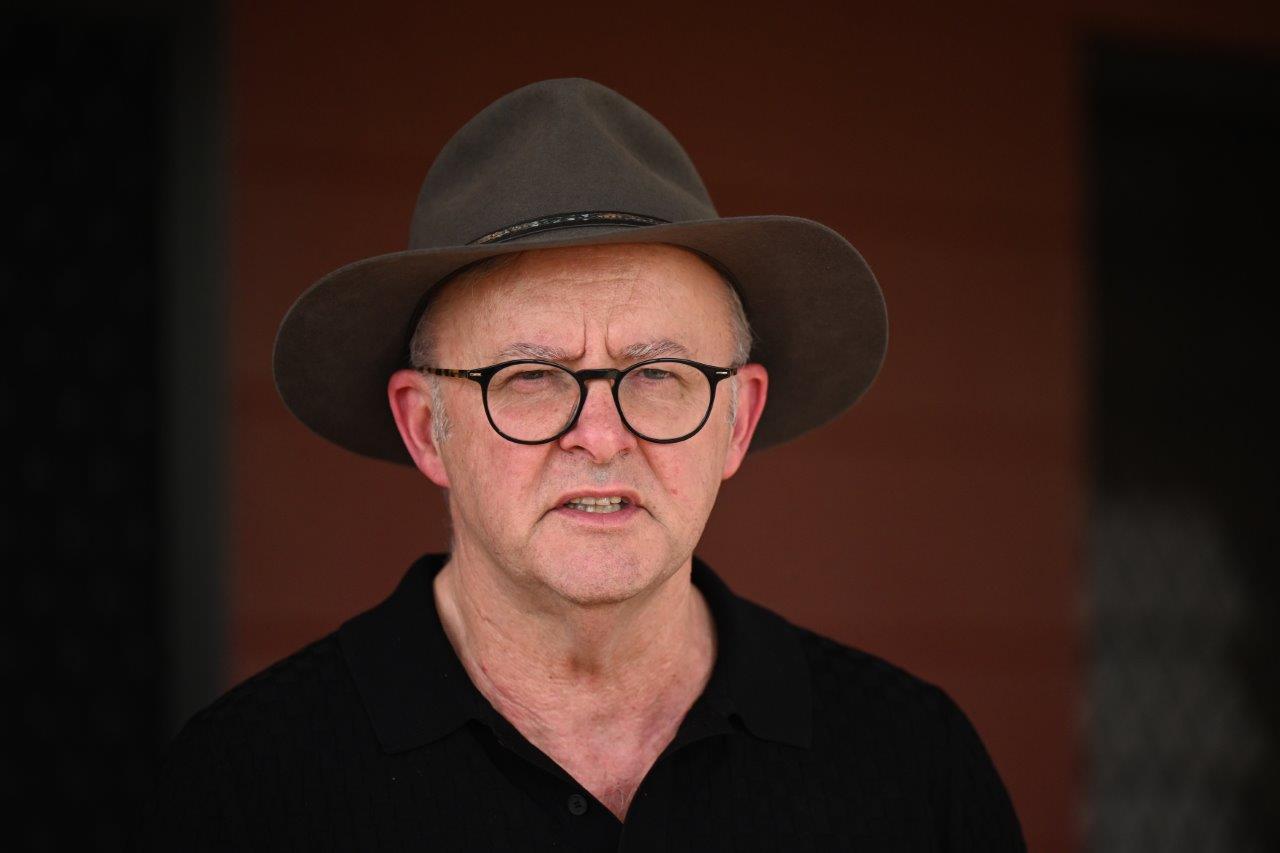
He was scathing of Prime Minister Anthony Albanese, urging him to show leadership globally especially as Canberra seeks a seat on the UN Security Council.
“It’s just really hurting their reputation because this is below international standards,” he said.
“Indigenous peoples’ rights are unsafe in the hands of the state (Australia).”
He argued for the establishment of a national political body that represents First Nations people as a building block in stemming the incarceration crisis.
The UN expert was particularly shocked at recent reports of Indigenous mothers shackled during birth.
“I really wonder whether it’s sustainable to keep looking at this level of injustice,” he added.
Imprisonment rates have risen across most jurisdictions since 2019, with the Northern Territory suffering the worst blowout - an increase of 1609 prisoners per 100,000 adults in six years - while Victoria is the only state with a clear fall.
A senate report on youth incarceration in September found on an average night in the June 2025 quarter, 60 per cent of Australian children detained were Indigenous, despite being 6.6 per cent of the general population.
That makes First Nations young people 24 times more likely to be locked up.
In 2022, the United Nations Subcommittee on Prevention of Torture cancelled its visit to Australia after being denied access to prisons in Queensland and NSW.
Barume is due to present a report on his Australian visit to the UN Human Rights Council in September 2027.
AAP