
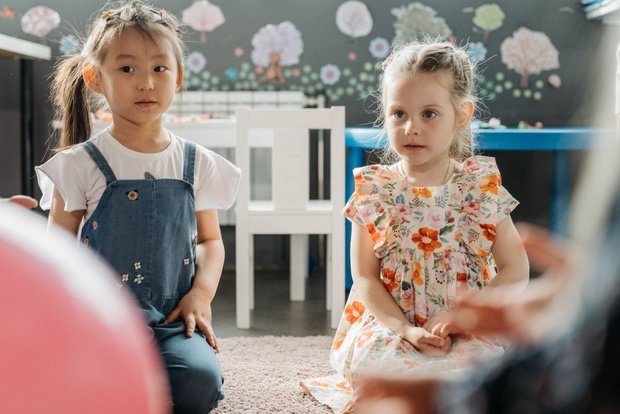
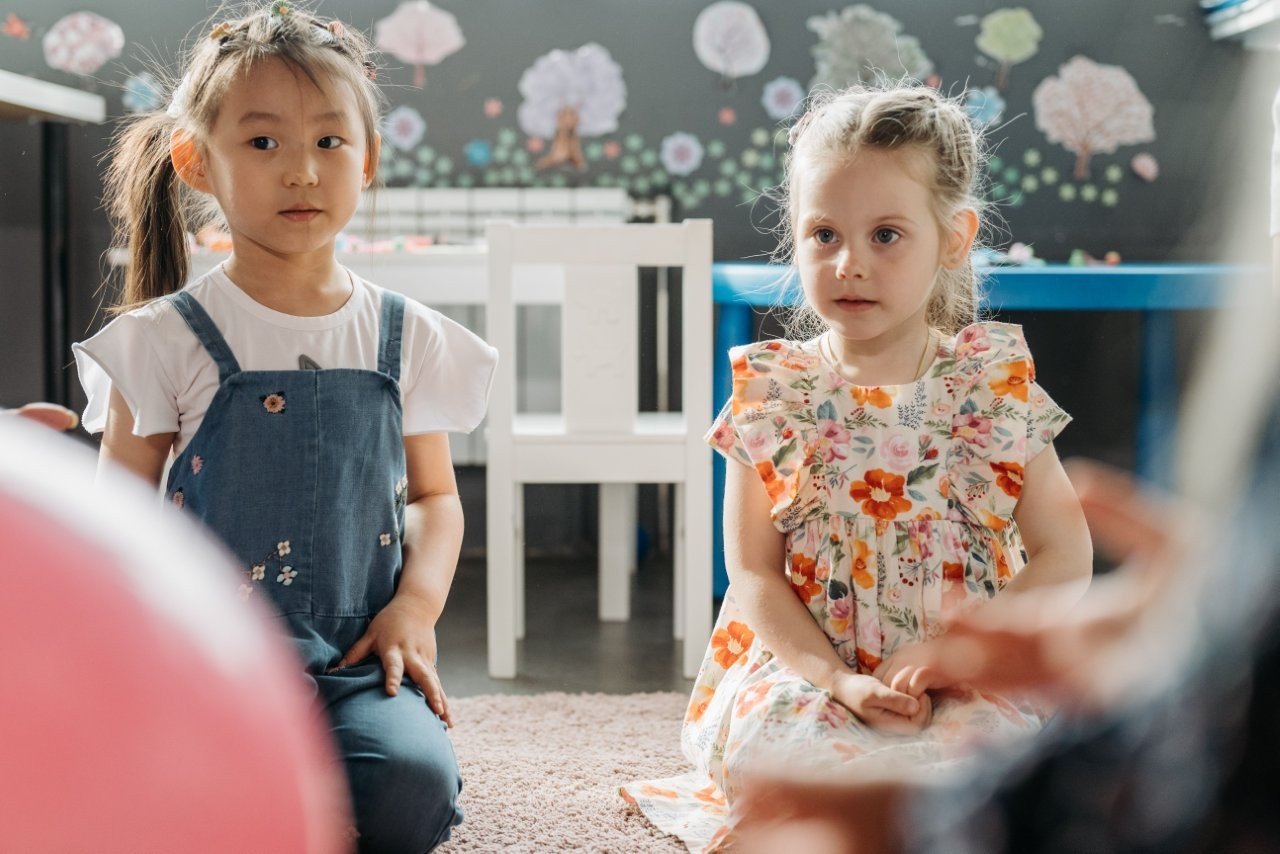
The major Curtin University study of more than 123,000 Western Australian children found preschool attendance was linked to better outcomes across every area of child development and a substantially lower risk of children starting school developmentally vulnerable.
In Western Australia – preschool (kindergarten) – is the early learning program offered in the year before compulsory school (pre-primary).
Researchers say the findings provide some of the strongest population level evidence to date that supports the role of preschool in helping children build the skills they need to succeed at school and later in life.
Lead author and Curtin University PhD candidate Kendalem Atalell says the results show just how important the year before school can be.
“The message is simple: preschool matters,” Atalell says.
“Children who attended preschool were less likely to start school struggling and showed stronger development across every area we measured.
“The early years are when the foundations for learning, health and wellbeing are built. Giving children access to preschool can help set them up for success long before they walk into their first classroom.”
The study analysed data from children who participated in the Australian Early Development Census between 2009 and 2021.
Senior author Associate Professor Gizachew Tessema, from Curtin’s School of Population Health and the enAble Institute, says the findings are particularly significant because too many children are still arriving at school without the skills they need to thrive.
“More than one in five Australian children start school developmentally vulnerable, which can affect their learning, wellbeing and future opportunities,” Tessema says.
“Our findings show preschool was associated with better developmental outcomes, helping children develop the social, emotional, physical and communication skills they need before they start formal schooling.
“What is especially concerning is that children from disadvantaged communities are less likely to attend early childhood education programs, despite often standing to gain the most from it.”
Senior author Associate Professor Gizachew Tessema says too many children are still arriving at school without the skills they need to thrive. PHOTO: cottonbro
Tessema says improving access to high-quality preschool programs could be an important way to give every child a fair start in life.
“No child should begin school already at a disadvantage,” he says.
“Improving access to preschool is an investment in children’s futures. It could help support school readiness, reduce inequalities and create benefits that extend well beyond the early years.”
Co-author Professor Gavin Pereira, also from Curtin’s School of Population Health, says the findings add to growing evidence that early childhood education plays a vital role in shaping children’s development.
“School readiness is about much more than knowing letters and numbers,” Pereira explains.
“It’s about developing the social, emotional and communication skills that help children engage, learn and flourish throughout their education.”
The study also found more mixed results for daycare attendance.
Daycare was linked to lower developmental vulnerability in language, cognitive and communication domains, but higher vulnerability in social competence and emotional maturity.
While the exact reason for the daycare result is not known, the authors point to several possible explanations for the daycare pattern, including the age at which children start care, how long and how intensively they attend, and differences in family circumstances.
For example, starting group care earlier and for longer hours may also reduce opportunities for the stable, responsive interactions that support social and emotional development during a sensitive period.
The researchers say these findings should be interpreted carefully and may reflect differences in children’s attendance patterns, timing and duration of care, family circumstances, and the type of early childhood setting, and should be explored further.
They say expanding access to effective preschool, particularly in disadvantaged and remote communities, could help ensure more Western Australian children start school ready to learn and reach their full potential.
Western Australian Primary Principals’ Association (WAPPA) president Niel Smith says quality kindergarten programs deliver benefits that extend well beyond the classroom.
“High-quality kindergarten programs provide children with the best possible start to their education by balancing play-based learning with the development of pre literacy and numeracy skills.
“Through structured and free play, children build confidence, learn to socialise, develop fine and gross motor skills, strengthen communication and problem-solving abilities and arrive at school ready to learn, both academically and emotionally,” Smith says.
“Regular attendance at kindergarten is also one of the earliest opportunities to identify children who may need additional learning support or specialist intervention.
“The sooner educators can recognise potential learning difficulties, developmental delays or disabilities, the sooner families and schools can work collaboratively, to access the support their child needs, giving every student the greatest chance to thrive from their very first day of school.”
To read the study, titled ‘Early Childhood Education and Care and Developmental Vulnerability at School Entry’, click here.