The draft laws will require online services to identify reasonably foreseeable risks and take preventative steps to address them, and the legislation applies across a broad range of online services, including social media platforms, search engines, app stores, internet service providers and websites.
It introduces stronger safeguards for children against harms such as grooming, exploitation, pornography, bullying, harassment and the promotion of disordered eating, while establishing significant penalties for platforms that fail to meet their obligations.
CEO of the Alannah & Madeline Foundation, Sarah Davies, said the introduction of the Digital Duty of Care was a significant moment for children’s safety online.
“This is a welcome step forward in the digital safety arena that the Alannah & Madeline Foundation has been calling for,” Davies said.
“For too long, the burden of staying safe online has fallen on children, parents and teachers, despite technology companies having enormous control over product design, algorithms, recommender systems and business models.
“It is neither fair nor realistic to expect children to recognise and manage sophisticated design features that are deliberately built to maximise attention and engagement. Nor should parents and carers have to shoulder that responsibility alone.
“For the first time, the law will place responsibility for online harm where it belongs – with the platforms that design and profit from these systems.”
Public debate has focused heavily on harmful content and social media feeds, Davies said, but the legislation represented an opportunity to address a much broader set of risks embedded within digital products and services.
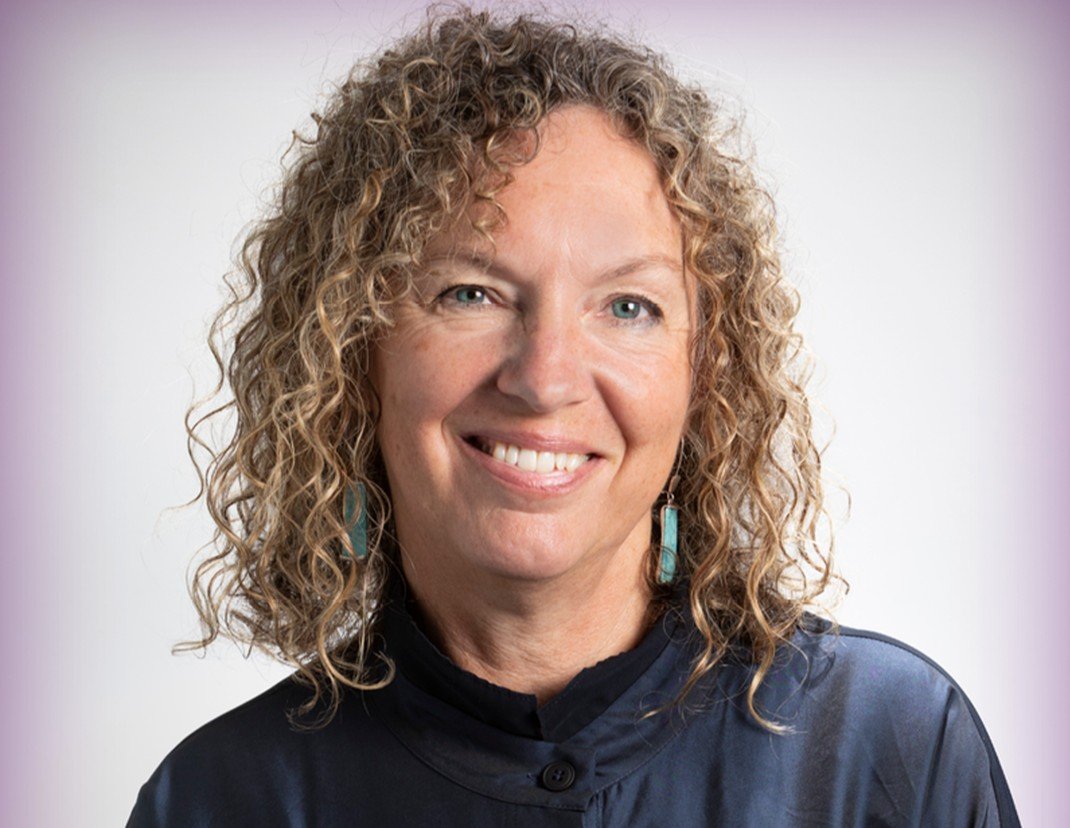
Children are the ones living with the consequences of these platforms every day, and their voices need to be built into implementing this legislation from the start, Sarah Davies says.
Davies, who is also Chair of the Australian Charities and Not-for-profits Commission (ACNC) Advisory Board and Deputy Chair of Social Ventures Australia, said the legislation is an important first step, but that it is just the beginning.
“Children and young people must have a genuine say in how it works in practice and that means consulting them from the beginning,” she said.
“They are the ones living with the consequences of these platforms every day, and their voices need to be built into implementing this legislation from the start.
“For 30 years, we have fought for the right of children and young people to be safe, so their future is strong. Getting the implementation of this Duty of Care right is a chance to make good on that promise for the next generation.”
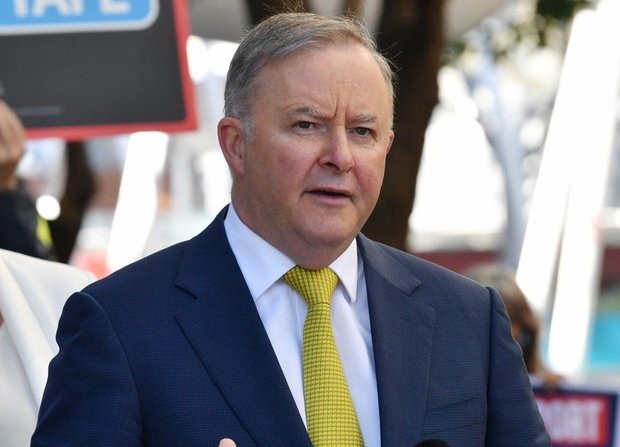
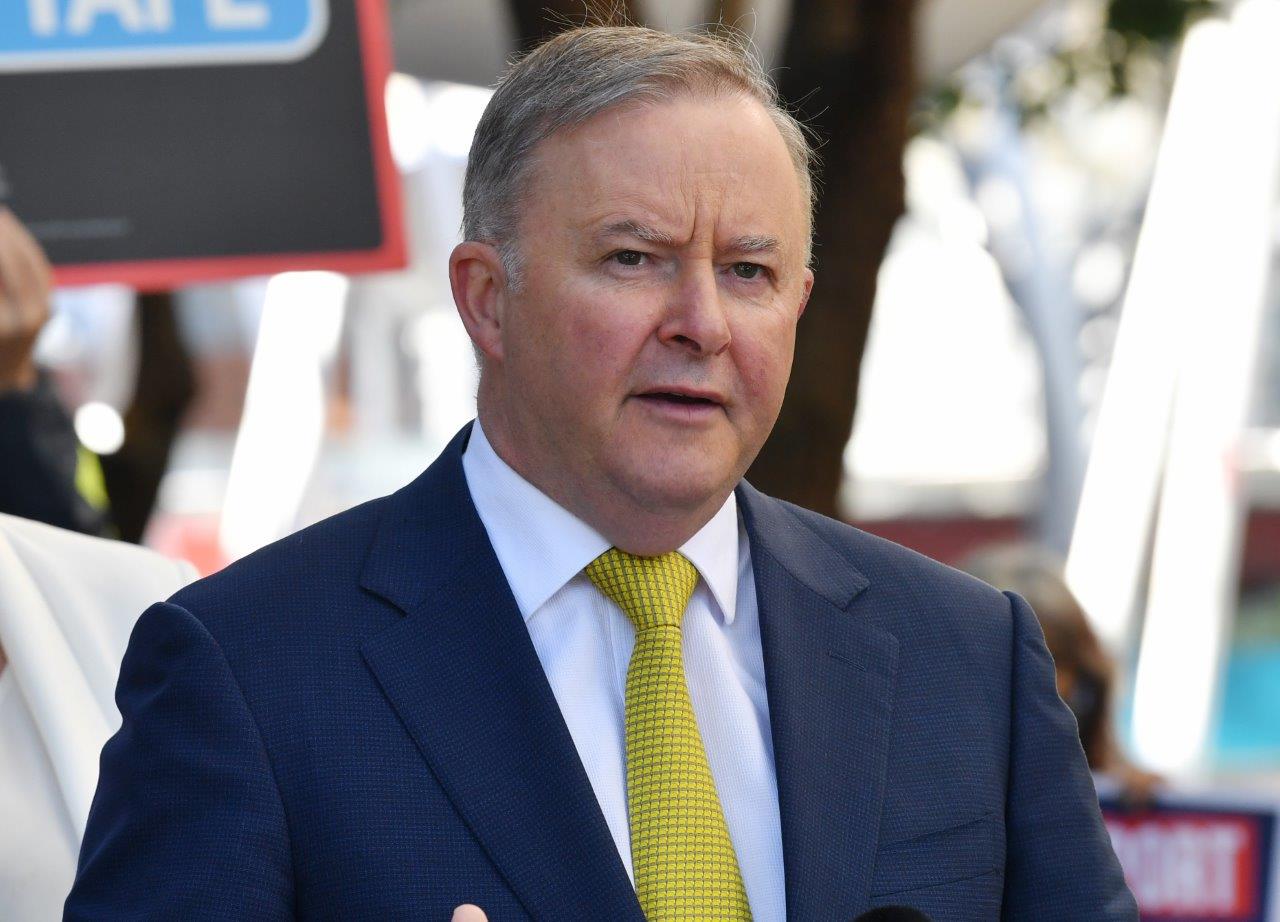
Critics claim giving people the option to get rid of algorithmic social media feeds is an attempt at political censorship, but Prime Minister Anthony Albanese disagrees.
He said opponents of the measures were being disingenuous.
“This isn’t about censorship. This isn’t about giving (Communications Minister) Anika Wells power. This is about giving (people) power,” he told Nine’s Today program on Wednesday.
“We’re hoping that there be constructive engagement on this. We want this to pass with the support of the whole parliament because it should, because this affects all Australians.”
The Government has avoided calling the algorithm measures either an opt-in or opt-out, instead landing on a “neutral choice” down the middle.
Members of the opposition and One Nation have labelled the proposal as overreach, criticising parts of the draft laws that would give the communications minister power to determine what is classified as harmful content online.
Nationals leader Matt Canavan said while users needed to be protected online, decision making on what was classified as harmful content was unfair.
“They’re not impartial. This bill is like putting Anthony Albanese in charge of refereeing a South Sydney Rabbitohs game, he wouldn’t be an impartial judge,” he told Nine’s Today.
“We should not allow this type of censorship to emerge in a free and open country.”
The Prime Minister rejected the concerns, saying parliament was still able to determine what would be classified as dangerous online and would have a veto over the minister.
“(It) will be up to the whole parliament, like the other previous laws have been,” he said.
The legislation is likely to face the scrutiny of an inquiry in coming months before the government seeks to pass it.
RMIT social media expert Caitlin McGrane said the Government’s middle path on an algorithm risked pleasing no one and confusing everyone.
“Asking people to opt-out with a pop-up is an interesting approach,” she said.
“There is an awful lot of research that has found that those pop-ups that ask you about cookies on websites, people find them very annoying, and they also don’t really work.
“They give this kind of illusion of control.”
Davies said public debate has focused heavily on harmful content and social media feeds, but the legislation represented an opportunity to address a much broader set of risks embedded within digital products and services.
“Importantly, this Digital Duty of Care reaches far beyond social media platforms. It applies across the digital ecosystem and acknowledges that children’s online experiences are shaped by the design of products, services and technologies, not simply by the content they encounter.
“This is about far more than content. It’s fundamentally about design.”
Children are exposed to risks, Davies shared, through tracking and profiling for targeted advertising, unwanted contact with strangers, invasive data collection, weak privacy settings, geolocation features, spending prompts, scams, and the growing use of AI technologies.
“These are not accidents. They are deliberate design choices,” Davies said.
“Just as cars, toys, electrical products and food are expected to be safe before they reach consumers, digital products and services should meet the same standard.
“Safety must be built in from the start, not added as an afterthought.”
McGrane is still cautiously optimistic the legislation can be effective despite the lack of immediate detail.
However, she said the bill reinforces an underlying assumption that people are no longer affected by eating disorder or extreme misogyny content once they turn 18.
“And I just don’t know that that’s true,” she said, noting concern over the enforcement of two separate content standards.
“Without collecting vast amounts of personal data or using age assurance technologies that are still fairly unproven as to their efficacy, how are they going to be able to determine whether somebody is a child or an adult?”
(with AAP)