


So suggests Mariel Lombard, an educator and researcher at Western Sydney University, who has led a revealing study that highlights the extreme challenges year level coordinators are up against across the country – and the toll being taken on their own wellbeing.
This staff cohort are really at the frontline of mental health support in Australian schools, Lombard says, but specialised training and adequate resourcing are incredibly thin on the ground.
The year coordinators involved in the study said they felt largely underappreciated and undervalued for the escalating care work they provide to students.
“The vast majority are still in situations where they might receive less time, less pay than, say, a head of department – but the role of the year coordinator is much more unpredictable,” Lombard tells EducationHQ.
“It’s extremely draining, and whilst someone in an academic role might be able to plan their day, if you’re in a wellbeing role, [you have to react and respond on the fly].
“Many educators who go into these roles do so because they are empathetic and they want to support young people, but essentially what we’re seeing is that we’re relying on the goodwill of educators to give more and more without the time allocation needed to do so.”
One year coordinator from an independent school reported that her workload “far exceeds that of a head of department, but on a pay scale and on a time scale, a year level coordinator receives less pay and less time than a head of department does”.
Another expressed a similar frustration, saying that for the amount of work the position involves it should be paid on par with department heads.
“[I said to leadership], ‘give us an extra 20 grand a year. Pay us for the role that we actually do, instead of the one you want us to do. And let’s just be done with it. I said, ‘For a bit more money with a little bit more training we’ll suck this up’.”
With school leaders relying on staff goodwill to carry out the role on top of their usual full-time teaching duties, eventually something would have to give, the educator warned.
“You know what, I can just step back into being a classroom teacher, I get paid the same”.
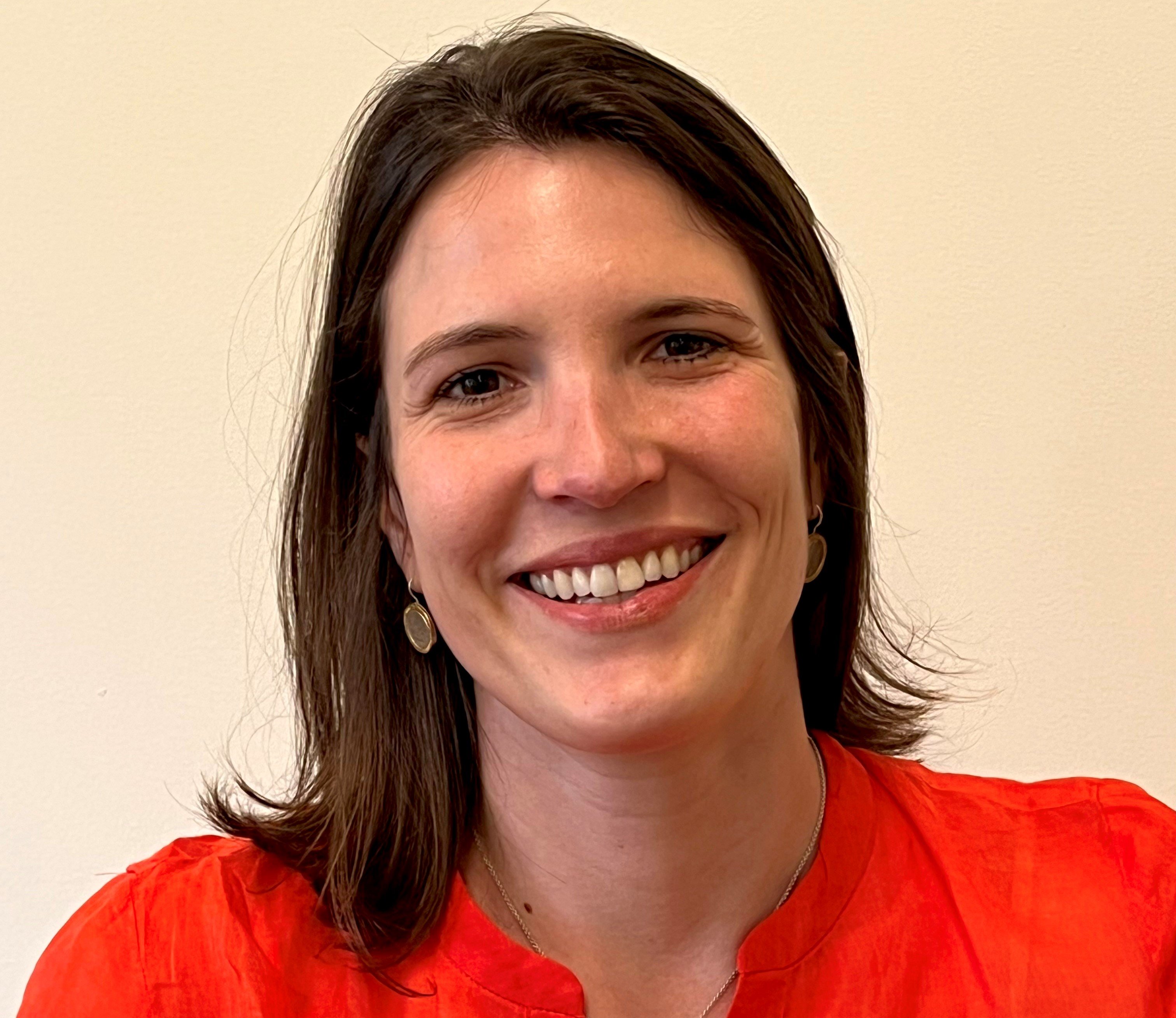
Mariel Lombard says the current conditions year level coordinators are working under need to be more closely scrutinised.
A strong ‘normalisation of overwork’ emerged from the educators’ accounts, Lombard says.
“There's a big reliance at the moment on self-care and this idea that educators ‘should be able to look after themselves’, particularly in these kinds of roles.
“But the reality is the structures in place are not there to support educators to actually engage in self-care because they're working in their own time outside of school.
“And so you've got this disparity between this ideal of self-care and staff who are overworked, exhausted, and not able to adequately fulfill the expectations that are set on them.”
One year level coordinator reflected on being told she had to learn to emotionally distance herself from students’ distress in order to continue in the role.
“There was one year where ... I was carrying the burden, and I was constantly on the verge of tears because of some of the things I was hearing.
“And my boss said to me, ‘If you can’t find a way to put up a wall in between what’s happening with other people and not carrying their trauma as if it’s your own, you can’t do this job anymore’.
“And that was enough of a wake-up call to go, ‘Okay, well, something’s got to change. If I want to continue doing this. And it’s important... I’ve got to find a better way.’”
Lombard says the educators saw their secondary trauma and feelings of not coping as personal responsibilities they alone had to manage, rather than as an occupational hazard.
Some were reluctant to approach senior leaders for help.
“I’m always trying to put out fires because we don’t have enough support in place, because it’s just me and 140 boys,” one coordinator said.
“I try not to disturb [the assistant principal and the director of wellbeing] … They’ve got their hands full because they’re looking after the other year groups or the whole school community. So, I’m pretty sure they’re pretty time-poor as well.”
Schools do well at sending messages relaying the importance of self-care to staff, Lombard says, but often tending to this is simply not possible.
In some cases, coordinators said their attempts to protect work-life boundaries were met with disapproval.
One educator, whose compassion fatigue score was ‘little to none’, said he was criticised by school leaders for refusing to take work home or stay back late at school.
“I have been criticised in the past for … not burning the candle [at both ends], which I disagree with…
“I didn’t take any notice of it because I think it’s important to maintain a work-life balance or a healthy work-life balance, so I’ll take the criticism. Keep doing what I’m doing,” he said.
The study found the burden of compassion fatigue disproportionally affected year coordinators in low SES and regional schools.
“While educators across all sectors described exposure to students’ trauma, self-harm, suicidal ideation, and mental health crises, those in lower SES contexts highlighted the strain of inadequate counselling support, which led to school counsellors being ‘absolutely booked’,” the study states.
Year coordinators are expected to fill the gaps here, Lombard says, with many working as “accidental counsellors” and absorbing the psychological costs – and without the necessary training or time.
Those new to the role reported “flying blind” or experiencing a “baptism of fire”.
“There are no expectations around training. I guess the assumption is that you are the right person for the job,” one year coordinator said.
“You present with the attributes and skills to be able to deal with those issues, and to also lead a team of tutors as well. You don’t get explicit training.”
One coordinator even enrolled in an external Adolescent Counselling course to ensure she was not “causing harm” to students that came to her for help.
Lombard says the systemic conditions year level coordinators are working under need to be closely looked at.
There’s a clear need for targeted training before staff enter the role, along with opportunities for debriefing and supervision when coordinators are supporting young people with high levels of distress, she adds.