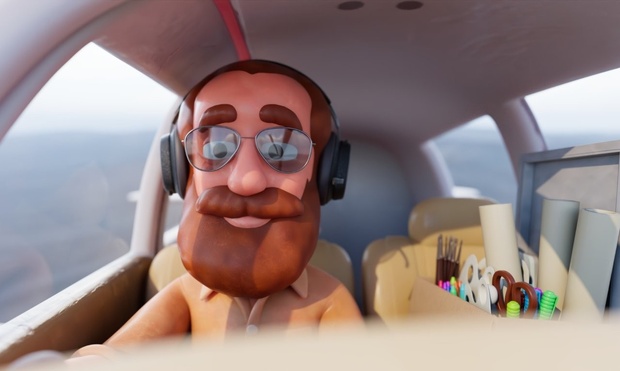

The original ‘Flying Artist’ travelled more than 400,000 kilometres from the Outback to the Torres Strait, driven by a simple belief that no Queenslander should grow up without access to art.
Merv passed away in 2021, but a playful digital incarnation of the arts pioneer is taking to the skies again.
He’s at the heart of For Schools, a new “press-play” teaching resource from not-for-profit Flying Arts Alliance, designed to make visual arts education accessible, engaging and achievable in primary classrooms.
It’s a pioneering approach: an ambitious new digital program that connects students with leading artists, extraordinary places and the Australian Curriculum.
The initiative was developed in response to factors including university and TAFE arts program closures, ATAR scaling pressures and economic barriers that are reducing creative education pathways for young people.
“In Queensland, we don’t have any specialist visual arts teachers in schools,” Flying Arts Alliance CEO Toni Palmer says.
“And we wanted to really create a really inspiring product for teachers and students, and really honour kids as smart and interested and inspiring.
“What we’ve developed it’s not easy, it’s quite challenging. Not only are they getting beautiful national curriculum to live in a really inspiring way, we also have our really high-level music that children and teachers can listen to as well.”
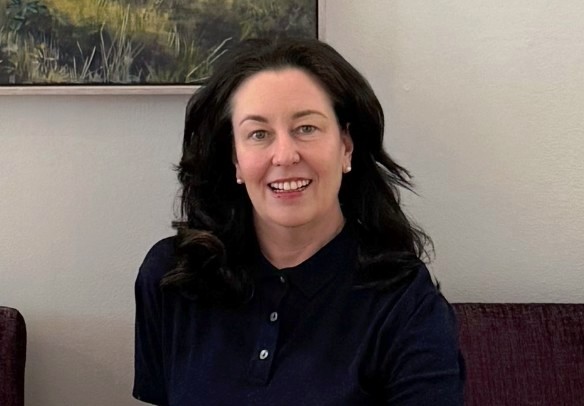
“We want to bring inspiration, excitement and joy into classrooms and give children an experience of art that stays with them,” Flying Arts Alliance CEO Toni Palmer says.
Filmed across Townsville, the Scenic Rim and Torres Strait, the program takes students beyond the classroom and into the landscapes, communities and creative spaces that inspire artists.
Along the way, students learn from three practising Queensland visual artists: Townsville printmaker Ron McBurnie, Mualgal artist Fiona Mosby from the Torres Strait, and Brisbane artist and surface pattern designer Georgina Forbes, aka Lordy Dordie.
Each artist-led experience is supported by curriculum-aligned educational materials created by artist-teacher of 38 years, Lee Fullarton, with professional development resources and workbooks giving teachers the tools to confidently deliver visual arts regardless of their own arts experience.
Palmer had the idea for the program in her second week in the job as CEO about a year and a half ago.
She consulted the retired former head of the music part of the Queensland curriculum, Mike Tyler, who put Palmer in touch with Fullarton and the Queensland Art Teachers Association.
QATA president Rossina Moore listened to Palmer’s pitch, loved it and so the ball was rolling.
“For Schools puts artists, expertise and high-quality creative experiences directly into their hands, giving teachers the confidence and resources to bring the visual arts curriculum to life,” Moore says.
One of the beautiful thing about this project, Palmer says, is the contributors talk about it as being such a serendipitous project.
“The end game is creating an inspiring opportunity for kids in primary school in those formative years, really providing that, and for schools we’re not only trying to develop the next artists, really purposely, we’re trying to develop the next lot of arts lovers.
“It’s about providing really inspiring experiences for children and teachers, particularly in regional locations, but not only them - students in any school, teachers, school leaders can subscribe and you don’t have to be at a remote location.”
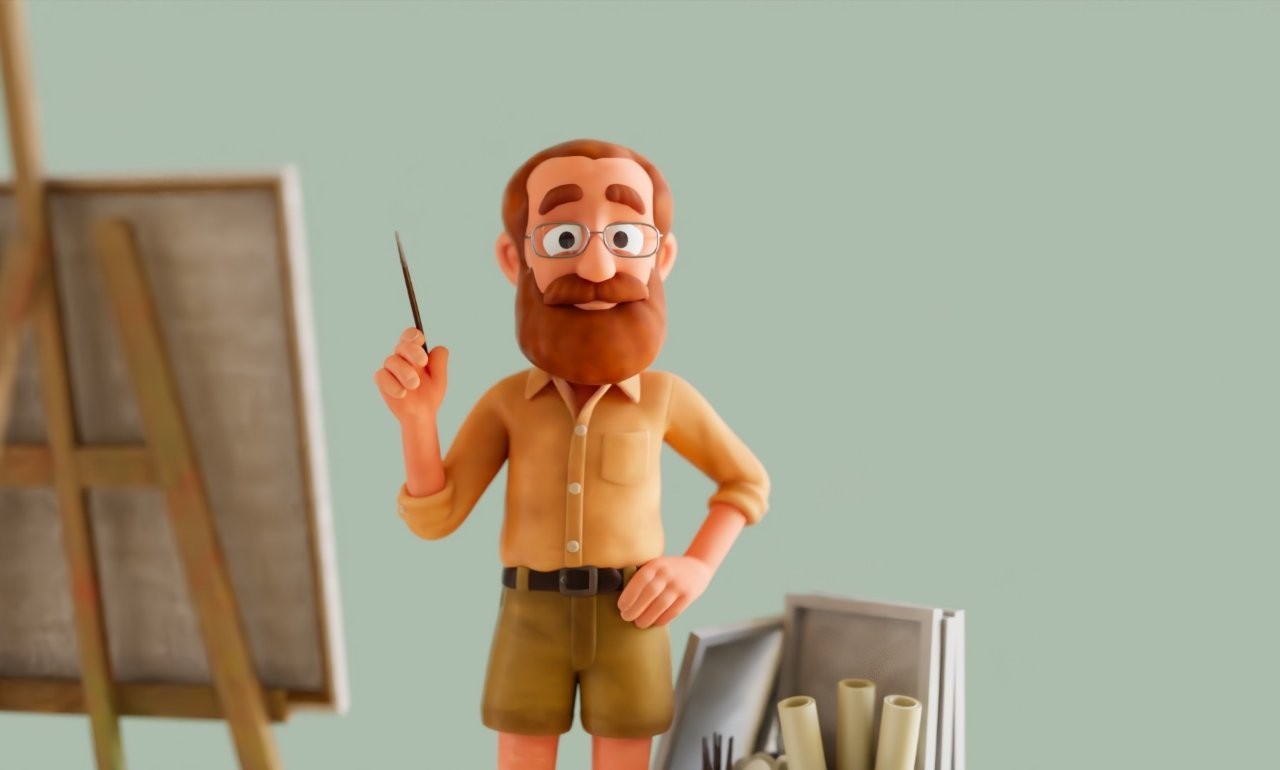
For Schools provides achievement standards for visual arts at each year level alongside artist-led lessons, interactive learning materials, workbooks and professional development resources for teachers.
The project is designed as a press play solution to deliver the national curriculum, Palmer continues.
“When children use For Schools, they’re not just learning about art, they’re going on an adventure across Queensland, discovering different places and learning directly from the artists who create there,” she explains.
“We want to bring inspiration, excitement and joy into classrooms and give children an experience of art that stays with them.”
Another drawcard is that the program can be spread over a term or a semester, and there are outcomes with each of the modules, which are really beautiful, according to Palmer.
“One of the key components was making sure that it’s accessible for everyone, because a lot of the schools and communities that we’re going into, they don’t have the money to buy expensive printers or materials or anything like that.”
Another major plus of the program is that it is geared for teachers with little or none of their own experience with the arts.
“You can have absolutely no knowledge whatsoever of the visual arts curriculum and still deliver beautiful lessons for your children.
“One of the most challenging parts, if I’m totally honest, are the teacher guides,” Palmer concedes.
“They’re monstrous, they’re 54 pages. And all of the teacher guides are led by the Australian curriculum, and they’re all developed in partnership with the filmed videos that we’ve made. So the teacher guides, of course, they actually have buttons on them that link you to videos.
“When we were developing all of these teacher assets, we were very serious about making sure that they are assets developed by teachers for teachers.”
Queensland Minister for Education and the Arts John-Paul Langbroek says Flying Arts has a celebrated history of supporting regional communities’ access to enriching arts experiences.
“For Schools takes Flying Arts’ program delivery into a new era, using digital technology to connect primary school students and teachers with talented Queensland artists, extraordinary landscapes and diverse practices,” Langbroek says.
“We know that arts participation is a key contributor to children’s development and wellbeing, and the Government proudly supports Flying Arts to deliver programs that enhance young Queenslanders’ creativity no matter where they live in the state.”
Contributing artist McBurnie says giving children access to practising artists during their primary years could have an impact far beyond the classroom.
“Creativity starts young, and if we want the next generation of Queensland artists and creative thinkers, we need to give children the opportunity to discover what they can do,” McBurnie says.
“That spark can stay with them for the rest of their lives.”
Schools can find out more and register their interest here.