Despite a slight improvement in science results since the last test in 2022, Australia’s learning continues its long-term decline overall.
The 2025 test results show the nation continues to perform above the Organisation for Economic Co-operation and Development (OECD) average, with Australian students ranking 10th in science and reading and 16th in mathematics among the 91 countries and economies that sat the test, however scores in maths and reading have also hit their lowest point on record.
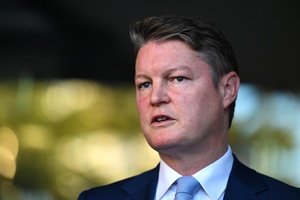
According to some, the curriculum needs an overhaul. Opposition education spokesman Julian Leeser, for example, says the number of topics being taught in classrooms should be streamlined in order to boost results.
“We don’t need keyhole surgery, we need open heart surgery,” he told reporters in Canberra on Wednesday,
“That starts with removing the cross-curricular priorities. How can you properly teach subjects if you’ve got these cross-curricular priorities, which are making the curriculum overcrowded and confused?”
The opposition says stronger discipline in schools, including on uniform standards, will translate into better academic results.
“Kids cannot learn if there’s no discipline in the classrooms and if the classrooms are not there regularly,” Leeser said.
“If you can’t enforce something as basic as uniform standards, how can you enforce classroom discipline and ensure that students get to work?”
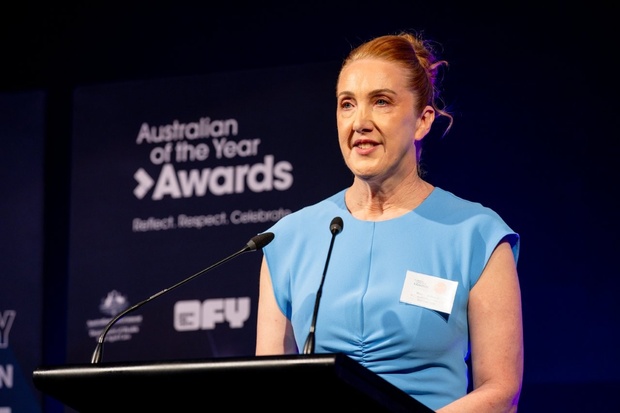
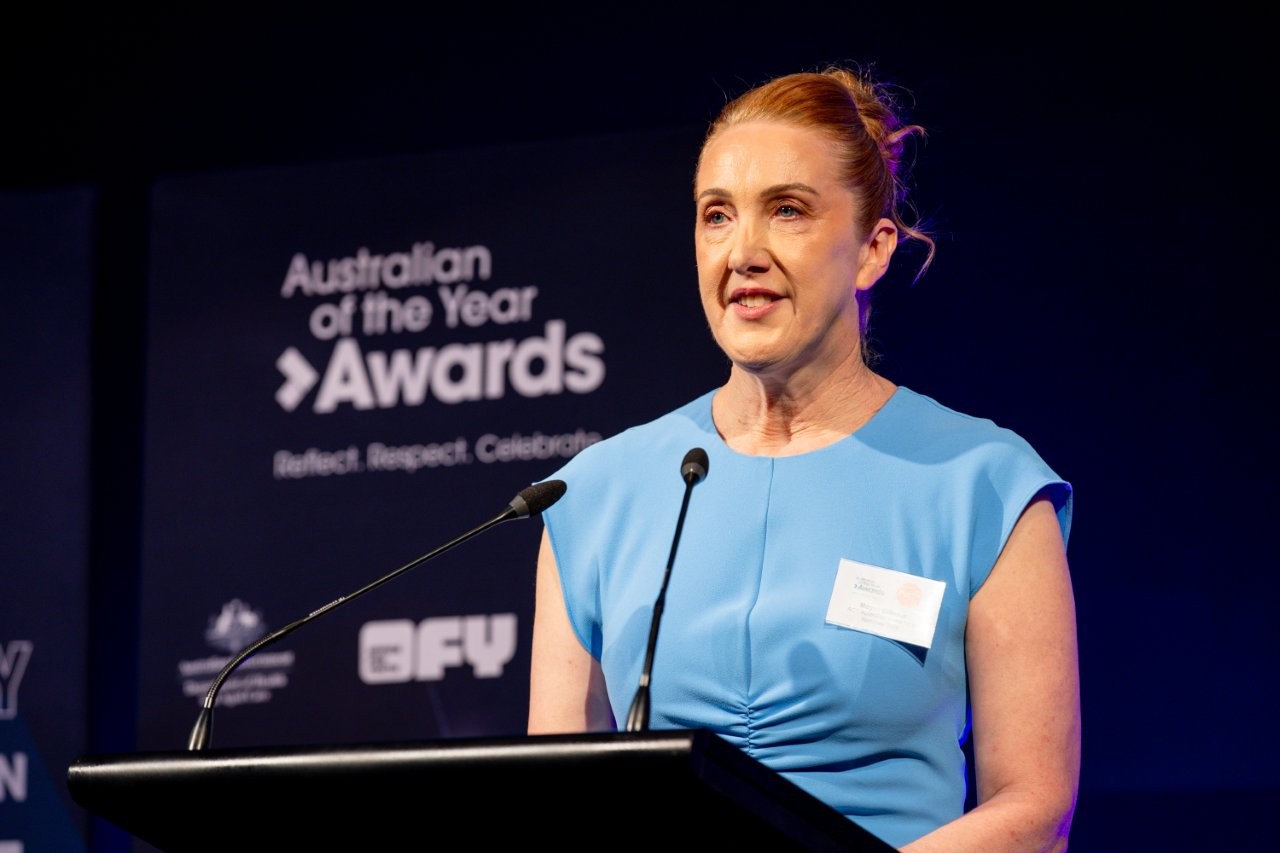
While theories fly thick and fast on why results are as good and bad as they are, and how we might do better in future, Megan Gilmour says we can’t talk seriously about falling reading and maths results without talking about whether students are actually at school and learning.
The CEO & Cofounder of MissingSchool & Robots4Good says nearly half of the Australian 15-year-olds who sat PISA reported skipping school in the fortnight before the test, almost double the OECD average.
“That figure is in the report, but it’s missing from responses,” she says.
“Even in a year ACARA called it “heading in the right direction”, 37.9 per cent of students in Years 1 to 10 attended less than 90 per cent of the time.
“In government schools, that figure is more than two in five.
“Whether a child misses school through illness, disability, anxiety - or what is counted as truancy - changes what you do about it. It doesn’t change what they missed.”
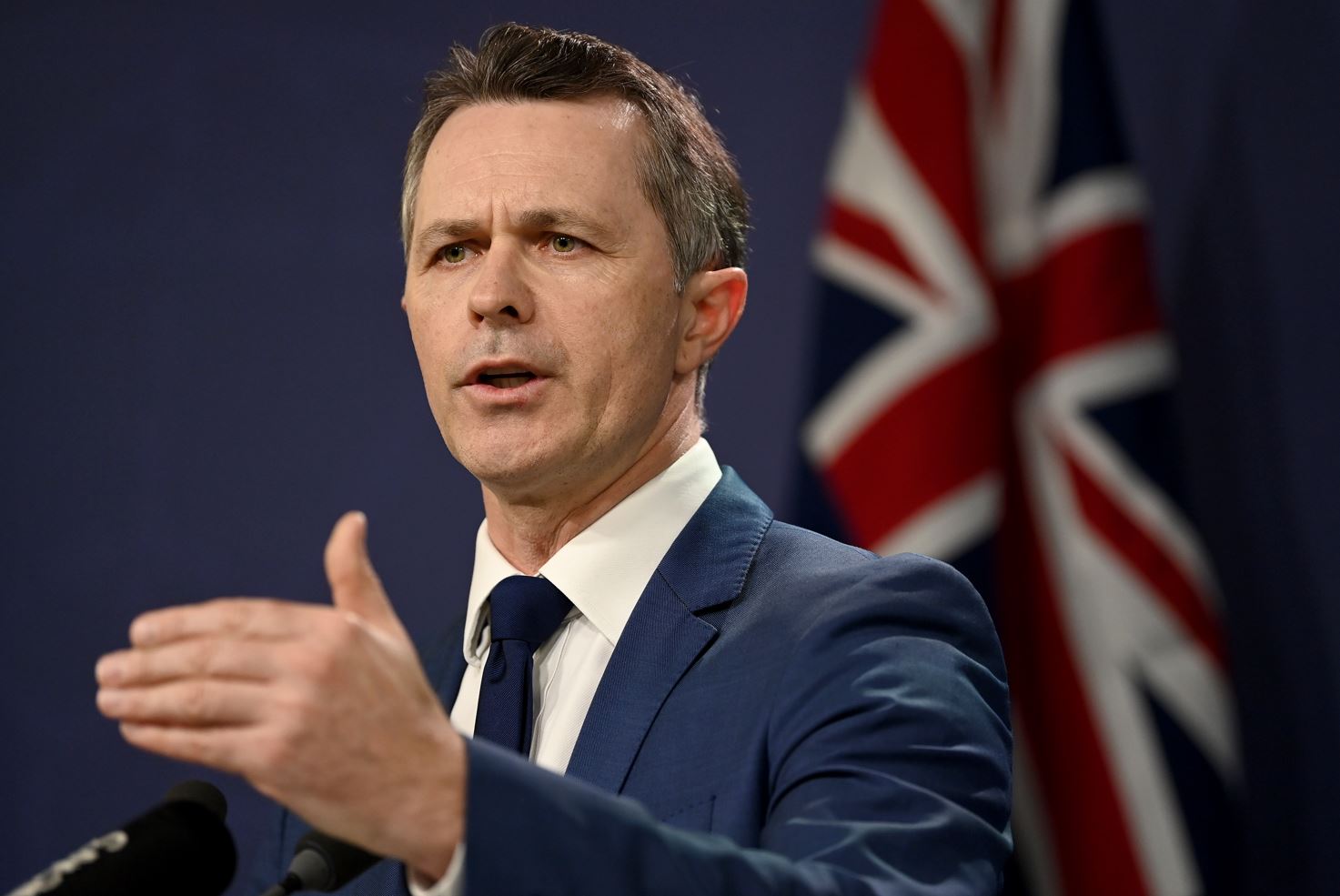
Federal Education Minister Jason Clare reacted to Australia’s record-low PISA 2025 results by calling for a classroom “digital detox” and emphasizing the urgency of the government's ongoing structural education reforms. PHOTO: AAP
Australian Education Union federal president Correna Haythorpe has pointed to growing challenges that teachers must manage.
‘‘Teachers are dealing with increasing complexity in classrooms, with growth in inequity and students with diverse needs requiring additional supports,’’ she says.
Greens education spokeswoman Penny Allman-Payne says more support is needed for teachers if results are to be improved.
“Blaming teachers and kids is not going to end classroom disruption,” she says.
“Kids aren’t acting up for the hell of it.
“They’re disruptive because they’re disengaged, and they’re disengaged because teachers aren’t empowered and supported to ensure learning works for every student.”
Nikki Bonus, CEO of Life Skills GO says the education sector should be careful not to turn PISA into a search for one cause.
“These results sit alongside high levels of absence, classroom disruption and other indicators that tell us we need to look more closely at the conditions in which learning is taking place,” Bonus says.
“High-quality teaching, explicit instruction, strong routines and orderly classrooms are fundamental, but for teaching to become learning, students also need to be present, engaged, connected, able to regulate their attention and ready to participate.”
Education Minister Jason Clare says Australia is implementing measures to improve performance, and points to steps the UK has taken that has boosted their results.
The UK has bucked the global trend of declining educational performance by climbing into the top 10 worldwide across all three core subjects: maths, reading, and science.
“Reform is hard and it takes time to shift the needle, but it’s not impossible,” Clare says.
“That’s what the UK results show and what the agreements we have signed with every state and territory are all about.
“This year we rolled out a Year 1 phonics check across all Australian public schools for the first time.
‘‘We are going to do the same thing with maths, a year 1 numeracy check to identify kids who are behind when they are little and make sure they get additional help.’’
Gilmour says every missed day represents missed learning and opportunity to practice reading and maths, as well as missed connection with teachers and peers.
“When absence becomes chronic, those losses compound. We should not be surprised when that shows up in attainment data.’’
If Australia wants to turn around its educational performance, Gilmour says, keeping students connected to learning, including when they can’t physically attend, has to become part of the attainment strategy.
“Being present is the precondition to everything else being tried.”
What concerns Bonus is that attendance problems are often measured very late.
“We record the absence, the behaviour incident or the attainment result once it has happened. School leaders also need visibility of what may have been changing beforehand.”
Attendance, behaviour and academic results tell us something, Bonus shares, while student voice, belonging, engagement and readiness to learn add context.
“No single measure tells us the whole child. If we want different outcomes, we first need to understand the conditions that sit upstream of them.”