That’s according to Dr Lily O’Neill, from the Melbourne Law School, who says in addition, 38 per cent of Aussie teenagers have moderate, increasing or persistent worry about climate change.
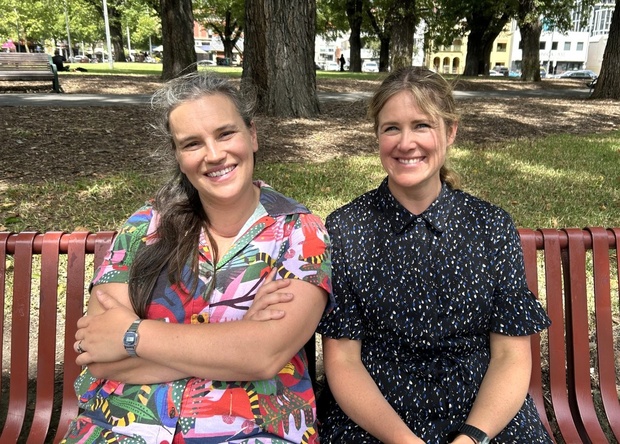
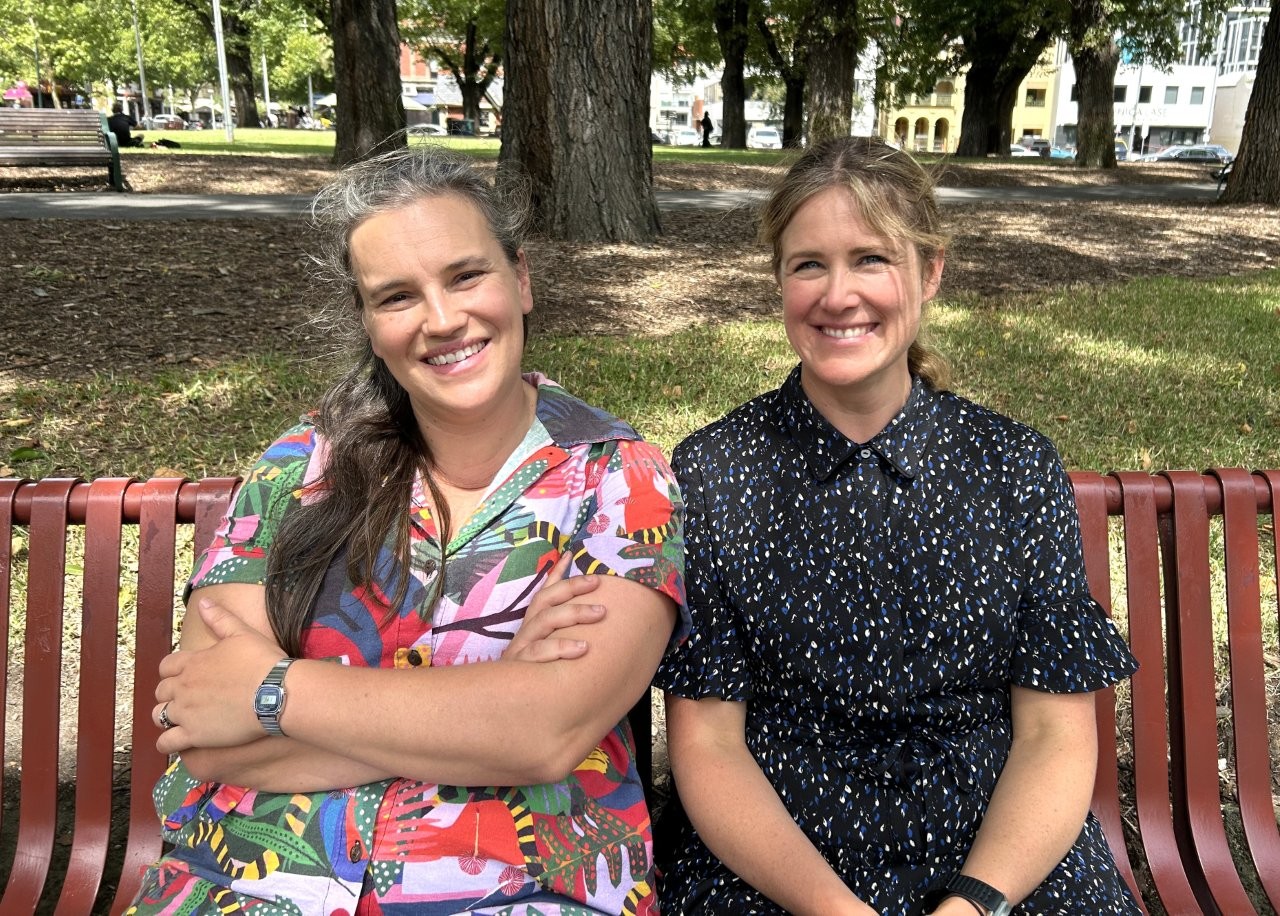
O’Neill, a senior research fellow at Melbourne Climate Futures at the University of Melbourne, and friend Dr Linden Ashcroft, a senior lecturer in Climate Science and Science Communication at the University of Melbourne, say as parents, they looked around for engaging, up-to-date, age-appropriate climate explainers that would answer their children’s questions, but realised there was a gap – and so two years ago created Youtube series Climate Kids.
The free educational videos, written and co-produced by the pair (along with university experts), answer real climate change questions asked by primary school-aged children, O’Neill tells EducationHQ.
“If you hang out with kids at any time, they just ask the absolute best questions and so thankfully what happened was my eldest son started asking me some quite basic questions and I didn’t know any answers,” she says.
“So I started asking colleagues and I thought, ‘hang on a second, I’ve got all these really educated, intelligent friends and I’m sure they don’t know the answers either' – and so adults are kind of our sneaky second audience – because the kids ask way better questions than adults, because adults probably don’t know that they should know.”
The questions are from primary students at Bright P-12 College in Victoria. In Series 1, released in 2024, they asked ‘What is climate change?’, ‘Can technology save us?’, ‘Why are we still digging up fossil fuels?’ and others about the oceans, snow and ice.
The just-released Series 2 covers areas including alpine animals and climate change, and questions like: ‘carbon credits: do they do anything?’, ‘How many fewer vehicles would it take to make a difference to global warming?’, ‘If a country floods from climate change, where will all the refugees go?’ and ‘Are there laws on climate change? What are they?’
The series is designed for use in the classroom according to Associate Professor Kathryn Coleman from the Faculty of Education at the University of Melbourne.
“Teachers need climate education resources that are scientifically sound but also attentive to how children encounter uncertain futures," Coleman says.
“Climate Kids begins with children’s own questions, creating opportunities for teachers and children, in conversation, to move from curiosity and concern towards discussion, critical thinking and meaningful action.”
An educational specialist friend of the pair has worked hard on linking the videos to the curriculum, ensuring that they’re useful for teachers, “because we know it’s a crowded curriculum and that teachers need to be able to teach to the curriculum and it’s more useful for them if they can see which parts of the curriculum it fits into - we’re just running on the smell of an oily rag basically at present”, O’Neill shares.
The series is designed to be warm and fun, with Ashcroft “time-travelling” 30 years into the future so that she can speak back from a place where we have solved the worst of the climate crisis.
“We used this narrative device to alleviate kids’ anxiety by showing that a positive future is possible, and what they can do to help,” Ashcroft says.
So what they’re trying to do, O’Neill concurs, is tell the kids that this is very solvable, it’s within our reach, that we can do it.
“We’ve been really clear that we don’t want to put any responsibility on the kids, but to give them something very achievable that they can do relating to their question, and we are very truthful, we also emphasise hope as much as we can,” she says.
“We’re really striving for balance between truthfulness, accuracy and hope, and we’ve put a huge amount of thought into it, and our own kids watch this … so it’s important that kids aren’t just made more anxious and then nobody does anything when everyone’s more anxious.”
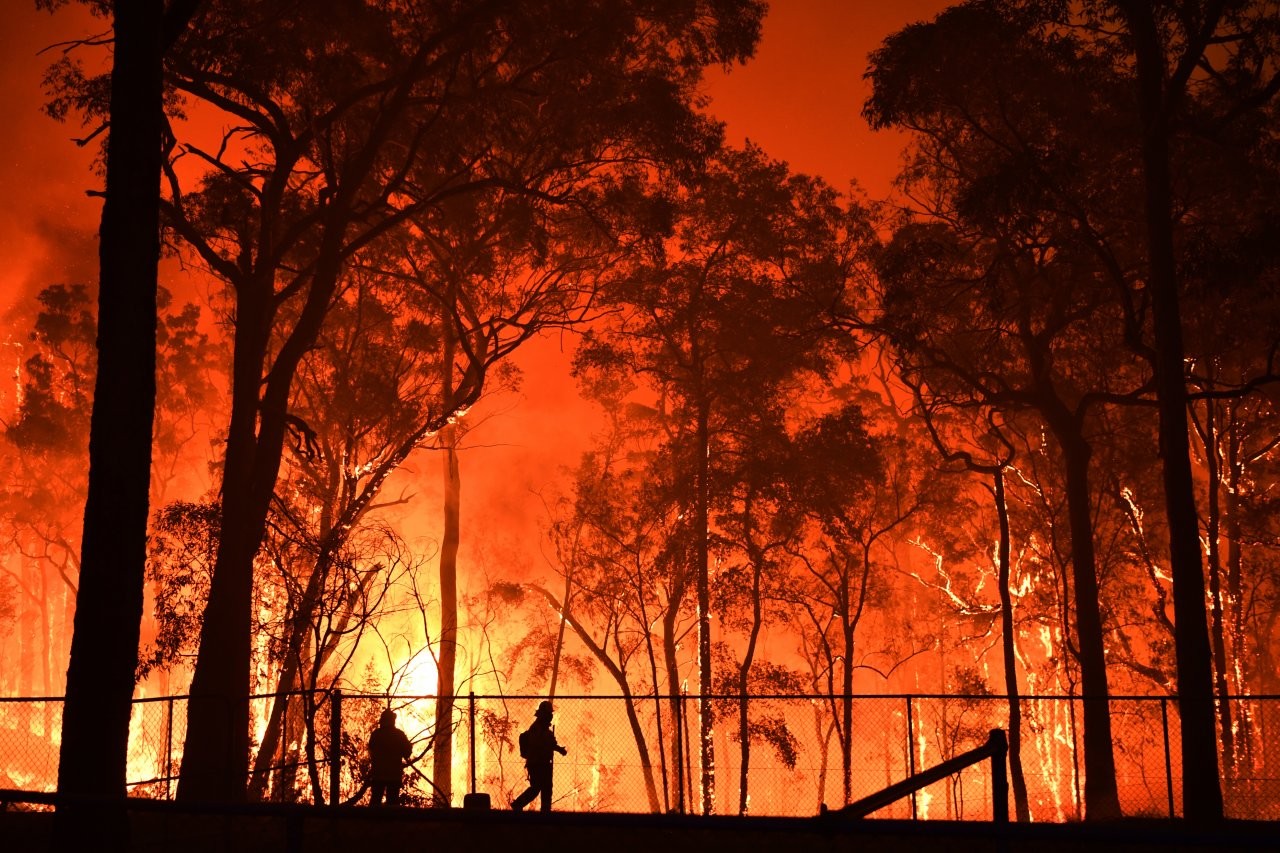
Last summer many Aussie towns smashed through heat records. This summer we'll almost certainly see more extremes, as climate pollution plus El Niño load the dice for dangerous heat.
A major new climate-related health report, published in the Medical Journal of Australia, found Australian infants went through an average of 4.6 heatwave days a year over the past decade, 66 per cent more than the 1986–2005 baseline.
Forty-nine per cent of the 16,230 young people aged 14 to 19 surveyed were worried that climate change threatens people and the planet, and 13.5 per cent said their feelings about climate change negatively affect their daily life.
In response, two UN human rights experts have asked the Albanese Government to explain how its coal and gas approvals protect young people.
UN Rapporteurs Elisa Morgera, Special Rapporteur on the promotion and protection of human rights in the context of climate change, and Astrid Puentes Riaño, Special Rapporteur on the human right to a clean, healthy and sustainable environment, have asked the Australian Government to explain its lack of plans to transition away from coal and gas, whether it will strengthen its 2035 climate target in line with limiting warming to 1.5°C, and how its coal and gas approvals assess impacts on children, First Nations peoples and communities overseas.
The Government responded by outlining its existing climate policies but failed to explain how continued coal and gas approvals are consistent with protecting young people from worsening climate disasters.
The Government did not commit to stopping coal and gas approvals, ending fossil fuel subsidies or strengthening its 2035 climate target.
The next generation being born into this world will experience worsening health impacts from climate change, Associate Professor Aditya Vyas, a public health physician and co-author of the health report, says.
“The report is a wake-up call for all of us – including our political leaders – to take action right now.”
The famous mobilisation of schools by Greta Thunberg several years ago, was followed by School for Climate protests nationwide, but since then climate change activism and major campaigns seem to be far less frequent nor as obvious.
O’Neill says Donald Trump’s election to the US presidency in 2016 and in 2024 particularly, have been pivotal in “not a lot happening on the climate change front”.
“His presidency has meant that huge amounts of money have been pulled out of the movement,” she shares.
“Even the American billionaires have stopped funding it, and I’ve seen almost all the money be taken away – so actually the silence on the climate movement front is because everyone’s lost their jobs – and in fact it’s a lot worse than that, there’s a lot we’re not hearing about it, not because it’s getting better, but because a lot of momentum has gone.”
O’Neill says her ambitions for the Climate Kids project are realistic.
“When you work in the climate movement your ambitions are shockingly modest because you’ve learned to take a huge amount of hits,“ she says.
“My ambition for it is, I genuinely think that if people actually understood – and I’m not just talking about the kids here, I’m talking adults and politicians – if people actually understood what was at stake and actually understood that we’re not doing enough, we would have action and I’m firmly of the view that it’s an issue of information rather than a lack of desire to act on climate change.
“I see amongst even my very educated friends that they think that our Australian Government is doing a lot to combat climate change when it’s not…”