Starmer’s government has ramped up scrutiny of social media companies, saying children were being exposed to harm online without clear accountability, and has pledged to act to limit the impact of such apps on sleep, family life and schoolwork.
“Social media shapes how children see themselves, their friendships and the world around them. When that comes with real risks, looking the other way is not an option,” Starmer said ahead of the meeting on Thursday.
“I will take whatever steps necessary to keep children safe online. Today is about making sure social media companies step up and take responsibility.”
The government acknowledged some protections already introduced by some social media companies - such as disabling autoplay on YouTube for children and giving parents greater control over screen time, including curfews - but Starmer wants to go further.
Britain is consulting until May on whether to restrict children’s access to social media, including a possible ban for under-16s, as well as curfews, app time limits and curbs on what it described as addictive design features.
Australian research (https://yougov.com/articles/54334-new-yougov-research-shows-cautious-optimism-as-australians-assess-impact-of-under-16-social-media-ban) suggests that more than 60 per cent of Australian children aged 12–15 are still accessing restricted social media, indicating a low initial effectiveness of the under-16 ban.
While some parents have reported positive behavioural changes, with 43 per cent noticing an increase in personal social interaction and 38 per cent saying their children are more present and engaged during interactions, roughly 40 per cent of parents observed negative impacts, including children using VPNs to bypass restrictions.
One thing is very clear, Australians feel that it is too early for definitive conclusions, with YouGov data suggesting almost 100 per cent believe stronger evidence is needed to properly judge the ban’s impact.
Sixty-two per cent believe greater parental involvement could make the ban more effective, while 58 per cent support stronger rules for technology companies and 56 per cent say stricter enforcement and age verification would improve its effectiveness.
European Commission President Ursula von der Leyen, says EU member states are pushing ahead with plans to limit children’s access to social media.
Following Australia’s ban, a growing number of European nations are weighing their own restrictions as concerns mount over social media’s impact on the health and safety of minors.
It is for parents to raise their children. Not platforms.
— Ursula von der Leyen (@vonderleyen) April 15, 2026
The European Age Verification App is ready ↓ https://t.co/EumEPEJOI7
“We are moving ahead with full speed and determination on the enforcement of our European rules. We are holding accountable those online platforms that do not protect our kids enough,” von der Leyen told reporters in Brussels.
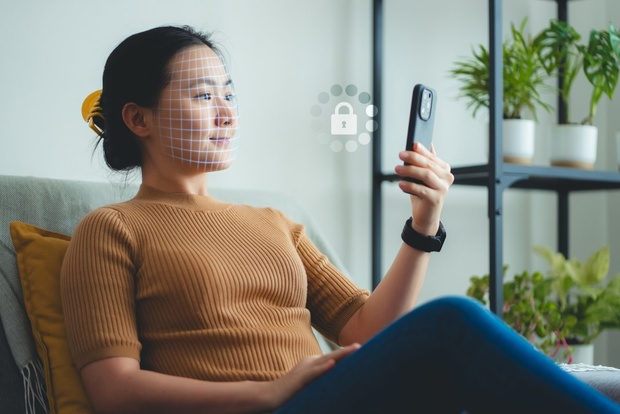
The app, to be compatible with both mobile devices and computers, would require users to upload their passport or ID card to confirm their age anonymously, she said.
“This app gives parents, teachers, caretakers a powerful tool to protect children, because we will have zero tolerance for companies that do not respect our children’s rights,” von der Leyen said.
At least a dozen European countries, including Britain and Norway, have enacted or are considering legislation setting minimum age limits - typically between 13 and 16 years – for social media usage.
Speaking at the same media conference on Wednesday, Henna Virkkunen, the EU’s digital chief, said the bloc plans to establish a European co-ordination mechanism to ensure age verification is implemented across the various national schemes.
While no EU-wide binding legislation has been adopted yet, the European Parliament approved a resolution report in November calling for a minimum age of 16 for social media access across all member states.
The commission has been developing a harmonised digital verification system since 2025.
(With AAP)