

As researchers in school health, we want to hear about your experiences!
We recently developed a survey to explore how school staff undertake medication management responsibilities, how they feel about it, the challenges they encounter, and the support systems available to them.
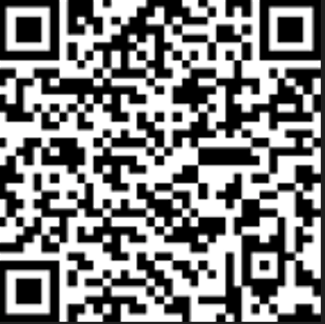
If you're one of the many school staff who administer student medications, we invite you to participate by scanning the QR code below or following this link.
The number of students needing medication at school is not small: over 4 million students attend Australia's 9,500 schools, and approximately 15–20 per cent require medication for conditions as diverse as diabetes, epilepsy, ADHD, asthma, and anaphylaxis.
That doesn’t include students requiring a course of antibiotics, needing an antihistamine for seasonal hay fever or paracetamol for pain relief.
While many medications administered in schools are 'routine' in the sense that they're given at the same time every day, some are only required under emergency circumstances.
Medical emergencies in schools are as varied as the students themselves and can include life-threatening presentations such as anaphylaxis from a bee sting or food allergy, seizures that won’t stop (status epilepticus) or an asthma attack.
While student medication administration may be a fact of life in most schools, there has been little research into how this task is experienced by the many staff who undertake it: principals, teachers, teacher assistants, administration staff, school nurses, and boarding house staff who ensure that students with medication needs are attended to… sometimes every day, and sometimes more than once a day.
Although scholarly investigation specific to student medication management has been lacking, what is clear is that this task represents a growing pressure for schools.
The Australian Primary Principals Association drew attention to the issue in a media release last October,¹ citing the growing burden on staff who must step away from their core duties to administer medication, the rising number of students requiring medication at school, the pressure to manage medication-related legal and safety risks not only on campus but also on excursions and camps, and concerns about a general lack of specialist health expertise in schools.
This last point is not merely a footnote: many medications carry significant risk.
The risks associated with paediatric medications have not gone unremarked by the Pharmaceutical Society of Australia.
While not specific to schools, their 2025 child and adolescent medication safety report² outlines how children are particularly vulnerable to medication-related harms, with personal impacts that may include emergency department attendance and hospital admission.
The economic burden is also sobering: medication-related harms in 0–17-year-olds are estimated to cost at least $130 million per annum.
Schools are busy places, and student medication administration is just one task among many. Primarily undertaken on a voluntary basis and governed by state and territory guidelines, it is tempting to conclude that school staff who regularly undertake student medication administration feel at ease with the demands.
Unfortunately, we know very little about how they actually experience these responsibilities, and that is precisely what our survey seeks to understand.
If you have administered student medication in the past 12 months, we encourage you to share your experiences. You can access our survey by scanning the QR code below or following this link.
References:
1. https://appa.asn.au/wp-content/uploads/2025/10/Medication-Management-21-Oct-25.pdf