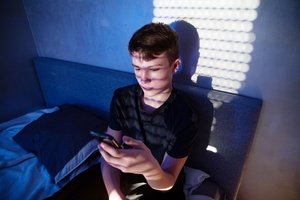


Experts say use among children and teens has soared by more than 200 per cent since before COVID and is showing no sign of decline.
In one of the world’s largest studies of after-school activities, University of South Australia researchers tracked more than 14,000 South Australian students aged 11-14 from 2019 to 2022, uncovering a dramatic shift in how young people spend their time.
Over the four-year period, daily social media use jumped from 26 per cent to 85 per cent, while participation in almost every other ‘enriching’ activity – including sport, reading, music, and art – sharply declined.
For example, the proportion of children who never read for fun increased from 11 per cent to 53 per cent, while arts participation plummeted, with those who never took part in arts activities rising from 26 per cent to 70 per cent.
Students who never joined extracurricular music increased from 70 per cent to 85 per cent, while daily use of social media jumped more than 200 per cent, from 26 per cent to 85 per cent, while non-users plummeted from 31 per cent to just 3 per cent.
The changes have not returned to pre-pandemic levels, even three years after restrictions were lifted, suggesting a lasting shift in how children spend their time.
Boys experienced a steeper drop in reading, while girls consistently used social media more often.
Conversely, time spent watching TV, doing chores, and playing electronic games increased during the pandemic but returned to pre-pandemic levels by 2022.
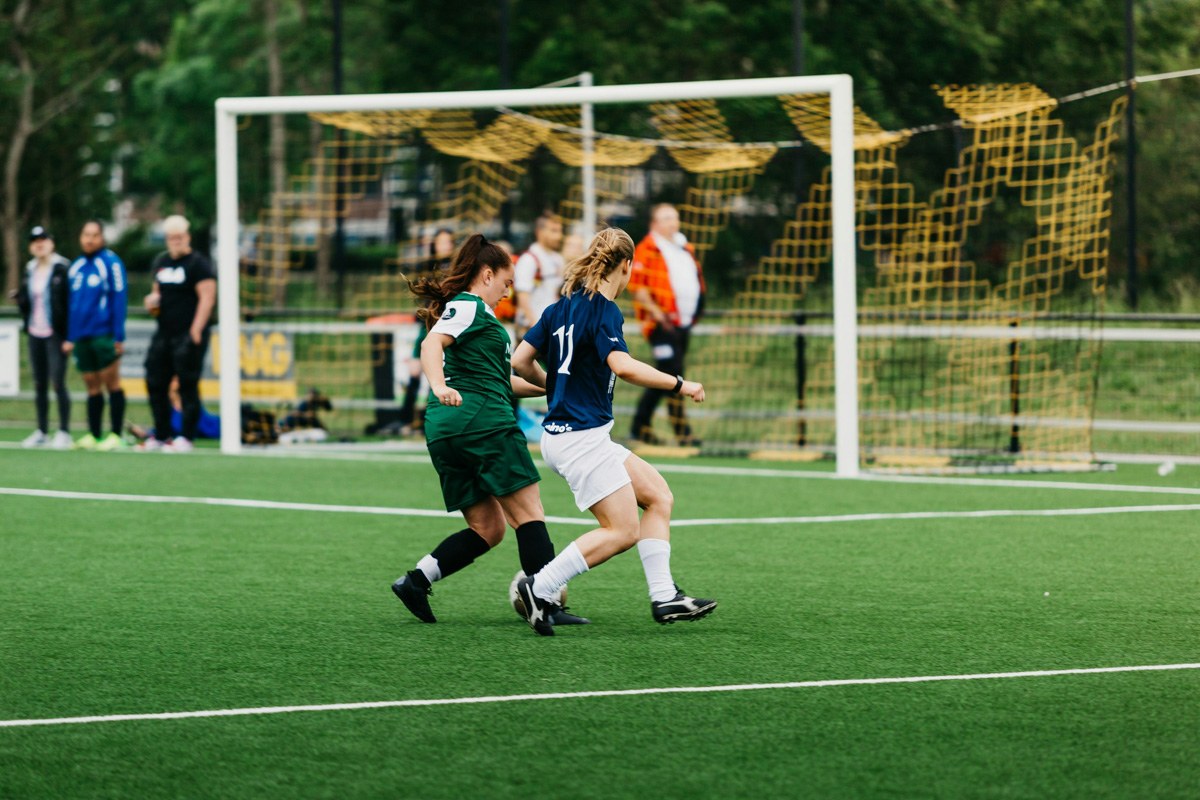
Children who participate in sports and other extra-curricular activities generally have better academic outcomes and mental health, stronger self-identity and improved social skills, UniSA’s Professor Dot Dumuid says.
UniSA researcher and PhD candidate Mason Zhou says the research highlights the pervasive effect of social media among children and teens.
“There’s no doubt that social media has become deeply embedded in children’s daily lives,” he shares.
“But now it’s at the point where it’s replacing many of the activities that support healthy development.
“Social media was the only activity that consistently increased during the pandemic and in the post-pandemic years, showing the largest growth overall.”
Zhou says because the changes happened during a critical stage of adolescence, and because they’ve persisted three years after COVID restrictions ended, they may have lasting impacts on young people’s health and wellbeing – and that’s a real cause for concern.”
As the nation prepares to implement the restriction on social media access for under 16s, the research provides an essential baseline for evaluating how such interventions affect young people’s after-school activity patterns.
Co-researcher Professor Dot Dumuid says we need more programs and policies that encourage young people to re-engage in enriching activities such as sport, music, arts and reading.
“If we want to support young people’s wellbeing, we need to help them rebalance their time – encouraging them to reconnect with real-world activities that build skills, confidence and social connection,” Dumuid says.
“Children who participate in sports, arts and other extra-curricular activities generally have better academic outcomes, stronger self-identity, improved social skills and better mental health.”
Dumuid explains that these activities help kids form friendships, stretch their boundaries and acquire new skills – all which support mental and social development.
“But if social media is dominating their time, it poses developmental risks,” he says.
The pending social media bans, Dumuid says, are certainly an intervention aimed at protecting children.
“When access is restricted, children may shift to alternative platforms like gaming, messaging apps or TV.
“Tracking these behavioural shifts and examining their short- and long-term impacts on young people’s health and wellbeing will be important as we move beyond the ban.”
To read the full paper, titled ‘Postpandemic After-School Activities Among Youths in Australia’, click here.