That’s according to mental health social venture Grow Your Mind’s creators, who believe that every time a child makes a mistake, gets left out, misses the team or feels embarrassed, they’re either practising self-criticism or self-compassion.
It’s this area, along with respectful relationships, that are the focus of the certified B Corp’s sixth season of its highly regarded podcast series on issues all related to wellbeing.
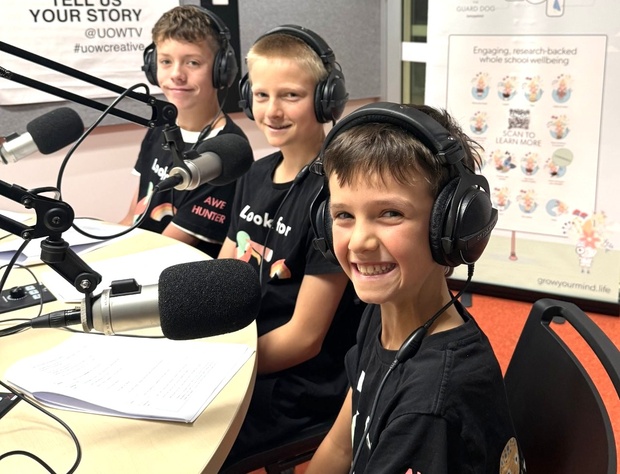
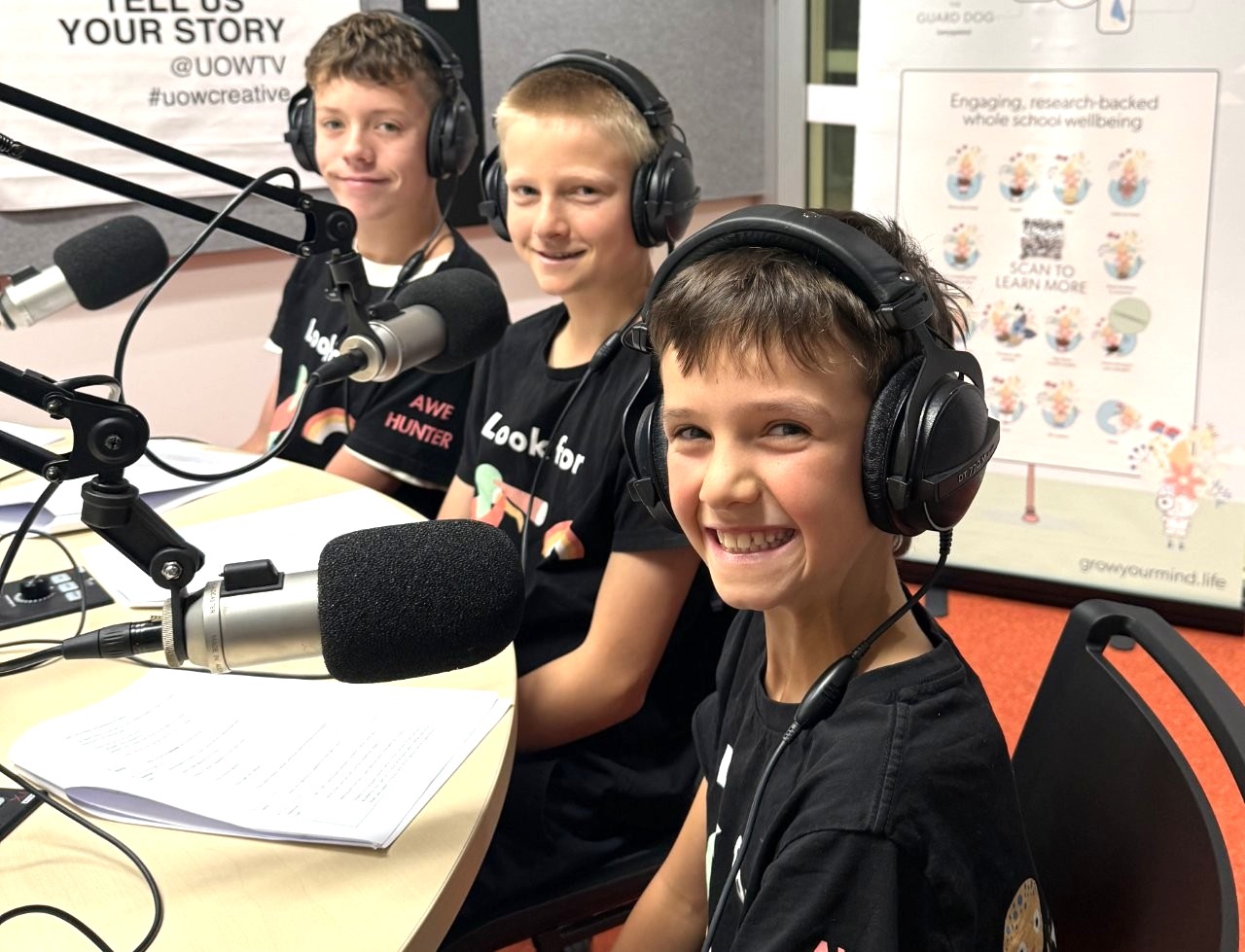
Aimed at 8-12-year-olds, the ideas for the podcasts come from primary school kids themselves, based on their own experiences, and include everything from disagreements on the school bus, to friendship conflicts – the everyday moments that shape how kids treat each other.
“So kids write into us and ask us, ‘would you do a podcast episode on friendship fights’ or ‘winning and losing’ or ‘emotional regulation’ or ‘what do I do if my friend’s not talking to me anymore?’
“And so we look for patterns and when we get enough of a pattern, we have an idea about what we’re going to do that season on,” Grow Your Mind co-founder Alice Peel tells EducationHQ.
Every year Peel says, they’ve tried to do that and it has led to Grow Your Mind developing units of work around the podcast and lesson plans.
Kids help write the scripts and voice the episodes, alongside their teachers, and Peel says there’s something powerful about a child hearing another child talk through a hard topic. It just lands differently than an adult explaining it.
The series supports the Australian Curriculum (HPE and Personal and Social Capability) and the NSW PDHPE Syllabus, and helps schools meet respectful relationships education requirements.
“We do the podcast as a way of paying it forward, because we know that when kids get an opportunity to be on the podcast, they get an opportunity to also give back because, kids listening to other kids is incredibly powerful, much better than me or anyone else jumping in there and teaching about resilience and respectful relationships.
“They also get an opportunity to be a bit vulnerable and courageous and get their voice out there.”
This year’s season opens with six episodes on self-compassion then progresses into six more on respectful relationships: friendships, the school bus, gender, and using AI thoughtfully.
“We’ve done that very purposely, to go, ‘okay, how do we get our brain and body ready to be respectful?’
“Whenever you stuff up, whenever you miss out on something, you’re practicing either self-criticism or self-compassion – and we know that the kids that learn about this concept are being kinder to themselves and not belittling all thoughts. They have more capacity to extend that kindness to others.
Teachers can either play episodes as a standalone, and some are as short as five minutes, and they always follow the same sequence.
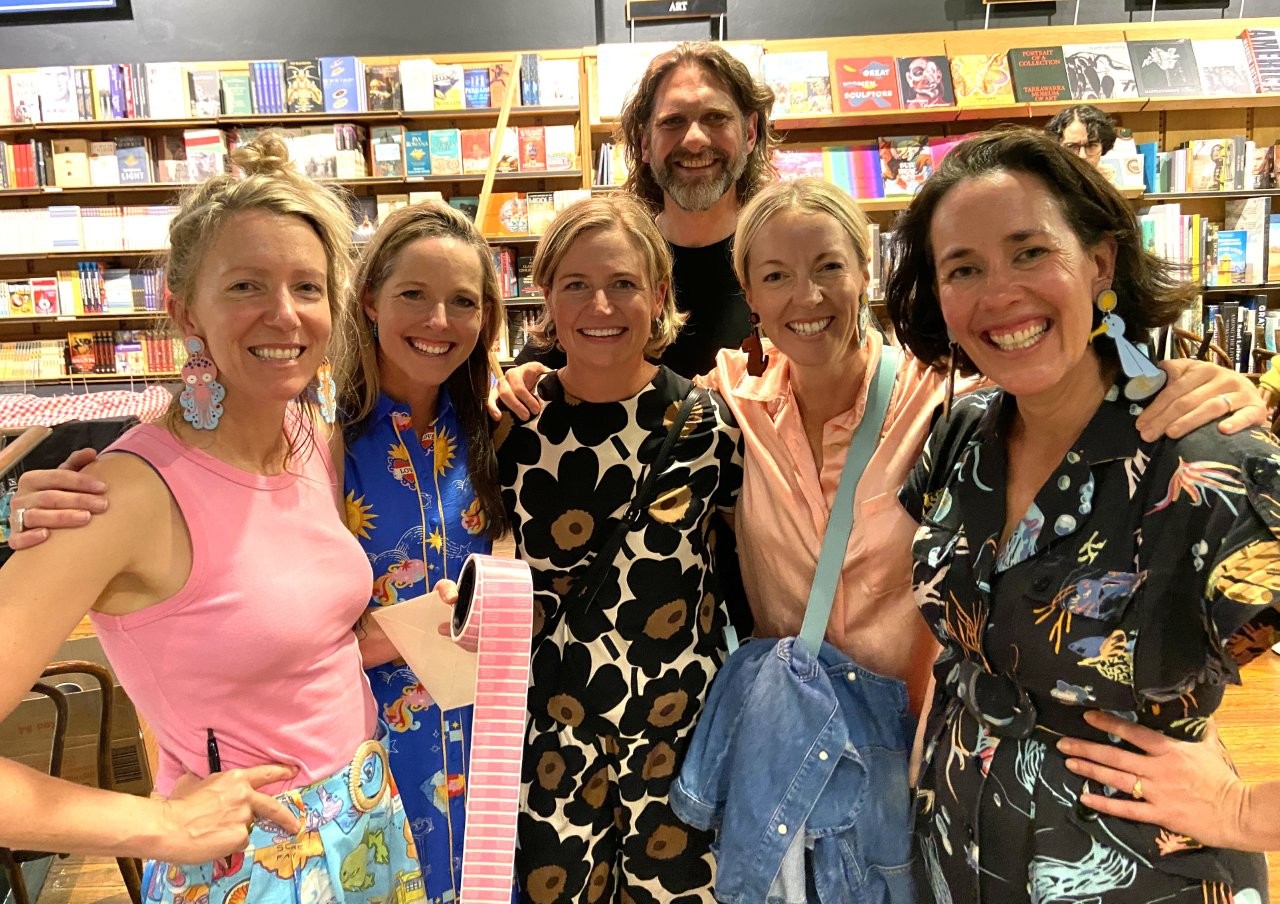
The Grow Your Mind team, including Alice Peel, front left, believes there’s something powerful about a child hearing another child talk through a hard topic. It just lands differently than an adult explaining it, they say.
“So it’s around 35 minutes in total, where there’s a listen unpacked, and then they can go on and do their reflection questions and come together for a whole class reflection as well,” Peel explains.
Each episode is built around pausing moments: short breaks where students turn to a classmate and reflect together before the episode continues, so teachers get built-in discussion with no extra prep. They just have to press play.
“We really wanted to enrich the learning, we didn’t want kids just to be passively listening,” Peel shares.
“We wanted there to be a moment where there’s a question that’s asked where the narrator speaks directly to the listener to the student and says, ‘hey, what do you think about this when they say the standard you walk past is a standard you choose to accept? What do you think that means? Turn to your partner and discuss.’
“We really wanted the lesson to come alive, and we know schools are really busy and not all teachers are hugely confident as well in teaching respect for relationships or emotional regulation.”
Every now and then the podcasts feature an interview – in the past, the kids have interviewed feminist podcaster and author Yumi Stynes, folktronica singer/songwriter Gordy and former Olympic boxer, Harry Garside, to get their take on joy, positive emotions or emotional regulation.
This year’s podcast features a three-part conversation with former NRL player and author Luke Bateman.
The reality TV personality, and viral BookTok creator, who has also emerged in recent times as a prominent public advocate against gambling harm, shares a range of tidbits of wisdom through role play and responses to questions.
“Just his voice, it really commands respect in the most engaging and inspiring way.
“The kids interview him about what it means to be a positive role model and the role of books in building empathy and compassion - and also what are the some of the qualities that he thinks are important for being a positive. Like, if you get an unkind comment online, how do you deal with it?
“He advocates that it’s important to always remember that someone’s going through something, you have no idea what kind of day that they’ve had and what they’ve gone through.”
The success of the podcast series has seen it now listened to in 140 countries.
“That’s really exciting. Our target audience is always with Australia in mind, but we love the accessibility that if you have internet connection, you can listen to the podcast.
“It’s free, no logins, no set up. Anyone anywhere theoretically can listen to it.”
Peel says they also get the most beautiful emails from parents.
“Last week, as an example, I got an email from a parent in rural Australia saying that the podcast had been a lifeline, had taught her kids all these skills when it came to friendship situations and resolving conflict peacefully. And so we get this great feedback from parents.”
Alongside the podcasts, Grow Your Mind also produces a powerful social and emotional wellbeing program where teachers, or preferably whole schools, so that everyone’s on the same page, can subscribe.
“The thing that I’m excited about right now is obviously respectful relationships is being talked about a lot more, and we all know as educators and as parents that prevention doesn’t start in adulthood, it starts with these everyday attitudes that kids have from a very young age.
“We know that one podcast isn’t going to make all the difference, but it just feels like we’re playing our part in making more of a positive difference in that space,” Peel says.