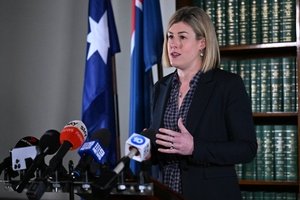
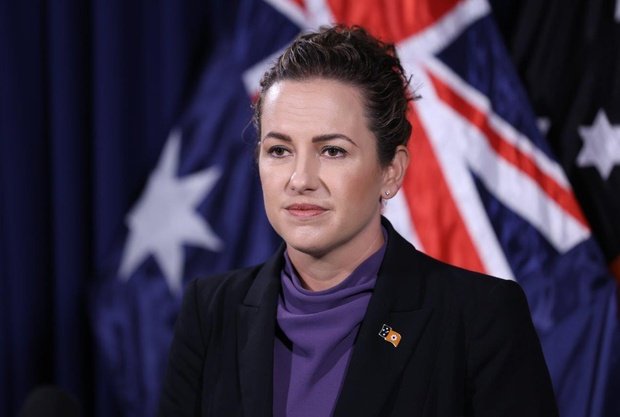
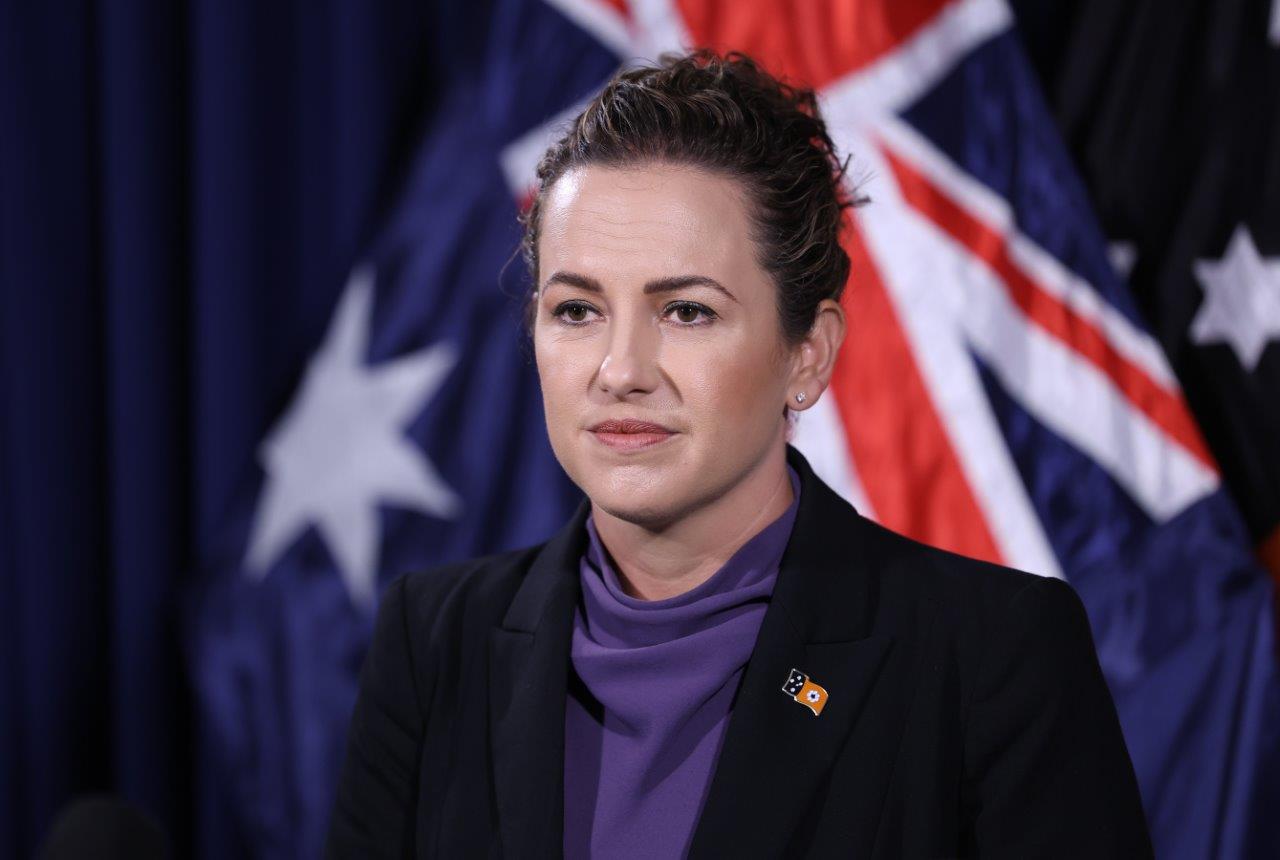
They join dozens of other advocates and experts in raising concerns that the changes undermine children’s rights, risk repeating past harms of the Stolen Generations and moves the NT further away from evidence-based child protection reform.
The NT Government passed the Care and Protection of Children Legislation Amendment (Every Child Matters) Bill 2026 (the Bill) on Wednesday.
The Country Liberal Party (CLP) described its reform as “the most significant overhaul of the Territory’s child protection system in a generation”.
In a statement, NT Child Protection Minister Robyn Cahill said children had historically been “failed by a system that acted too late” and claimed “these reforms fix that”.
“Tonight we didn’t just say every child matters — we put it into law,” she said
The Government said its amendment “modernises” the policy “to keep children connected to kin and culture”.
NT Chief Minister Lia Finocchiaro said her Government was “putting the right of a child to be safe first, and above all else” and that the NT’s child protection system needed to be overhauled because it had been failing Territory children.
“One thing was for sure, the child protection system could not stay as it was,” Finocchiaro said in a statement.
The reforms have been widely criticised by politicians and child protection sector experts for being rushed through parliament.
Some say the CLP’s consultation has been minimal, and that they have failed to listen to community concerns.
Independent MLA Justine Davis moved several amendments during debate of the bill, and described the law reforms as “a tragic missed opportunity” and that Territory children would “bear the consequences for decades to come”.
“The CLP government chose to ignore the overwhelming evidence presented to parliament, passing a harmful law that nearly the entire child protection system has warned them will put children at risk,” she said in a statement.
Kiss agreed and said First Nations people want their kids growing up strong in community and culture, which is the key, she said, to a brighter future, however the Bill will not keep them safe.
“The Child Placement Principle, which has been in place for a long time now, exists because generations of our children have already paid the price of being separated from family, culture and community. Weakening that safeguard is a step backwards.”
The Principle is a framework that protects the safety, wellbeing, identity and cultural rights of First Peoples children by ensuring culture, family, community and Country are central to decisions affecting their welfare.
“If the NT Government is serious about child safety, it should invest in First Peoples-led solutions, family support and culturally safe care,” Kiss said.
In the lead-up to the parliamentary debate, Secretariat of National Aboriginal and Islander Child Care (SNAICC) chief executive, Catherine Liddle, was one of a range of experts who shared their thoughts during two days of public hearings last month.
NT Government claims about all children being treated equally under the new bill were “a form of distraction”, she said on ABC Radio last Wednesday.
“The truth of it is, legislation in and of itself can’t change the world — but what it can do is get you on the front page of a paper, it can make you look like you’re doing something when you’re not doing anything,” she said.
She said ignoring evidence put forward by advocates with lived experience was cruel.
“You can’t pretend to care about the safety of children when you ignore the evidence about what keeps children safe,” Liddle said.
“This legislation effectively erodes protections that were put in place because Aboriginal and Torres Strait Islander children in the child protection system suffer greatly, and that harm is lifelong.
“It is unforgivable to make decisions that you know will unfairly impact and damage children for the rest of their lives.”
Tsorbaris said the legislation weakens protections that support children.
“These changes undermine the safeguards designed to protect children’s identity and sense of belonging.
“The Government should focus on evidence-based reform that upholds children’s rights, strengthens families and supports communities to keep children safe,” she said.