That’s according to the just-released 2026 Kids in Pain Report: Pain Lives Here Too, which found more than 80 per cent of children said pain disrupted their sport or extracurricular activities, and roughly the same number said it impacted their sleep and mental health.
Incredibly, almost 40 per cent of those with a formal diagnosis have had to wait three years or more to receive it.
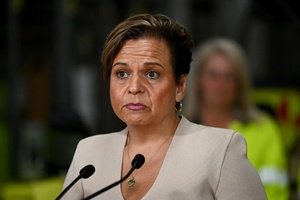
The new Chronic Pain Australia report, released to coincide with Kids in Pain Week (Sept 21-27) shows an urgent need for more awareness of chronic pain conditions in children, according to chair Nicolette Ellis.
“Childhood should be shaped by learning, friendships, sport, sleepovers and simply having the freedom to be a kid,” Ellis tells EducationHQ.
“But too many children with chronic pain are losing years to a system that does not recognise their pain early enough or connect families with the care and support they need.”
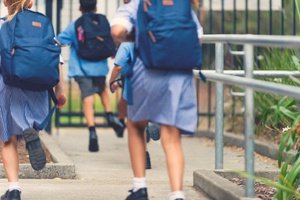
Ellis says support from school is really what matters, and with the Pain Report revealing about 54 per cent of students need learning adjustments, the quality of support across the sector varies considerably.
“Some schools are doing a wonderful job in helping to support and giving reasonable adjustments.
“One parent told us that their child was given either a late start or an early finish and they had pacing throughout their day, and they didn’t have to repeat what the reasonable adjustments that were needed for that child, so there was a really easy plan that was communicated between the parents and the teachers.
“Some parents reported, however, that they were having negative experiences, so they had to keep advocating for their child, or [the school] would dismiss all of their pain experience, or (would not) have an understanding of what it meant to be at school with reasonable adjustments because of their pain.”
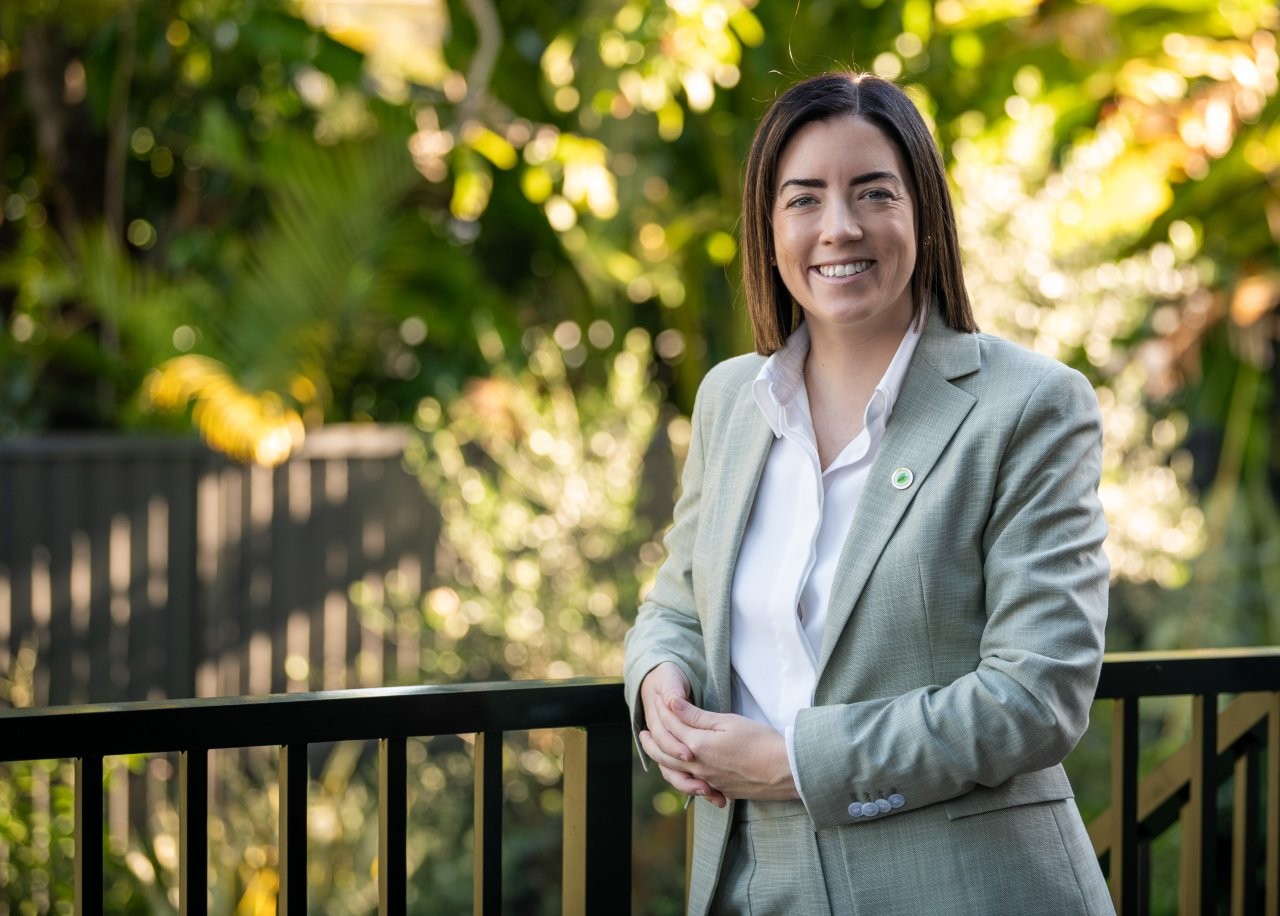
Nicolette Ellis is encouraging Australians to sign the Make Pain Count petition, calling on the Albanese Government to ensure chronic pain is consistently counted across our health system so future decisions about healthcare, services and research reflect its true scale.
During this week Chronic Pain Australia is trying to advocate for more awareness and understanding of the lived experience of children who have chronic pain.
“It’s really not well known that one in five children live with chronic pain in Australia – that’s over 800,000 children,” Ellis says.
“And those experiences of not only the child, but the parents and families have been really hidden and invisible for some years.
“So we’ve been really trying to elevate what it means to live with chronic pain as a child, and then also what can we improve, and really the critical gaps that are happening for this quite large group of children.”
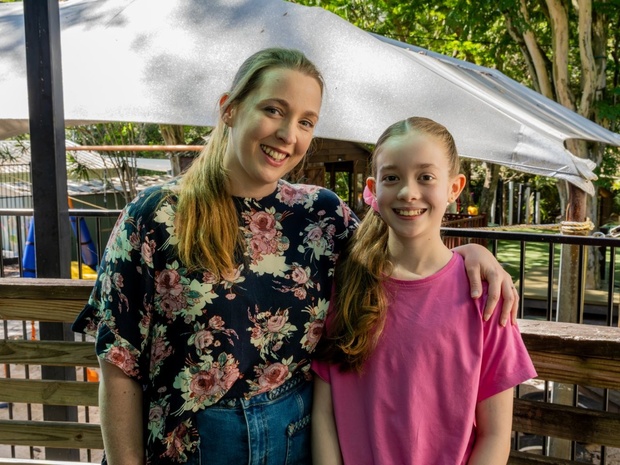
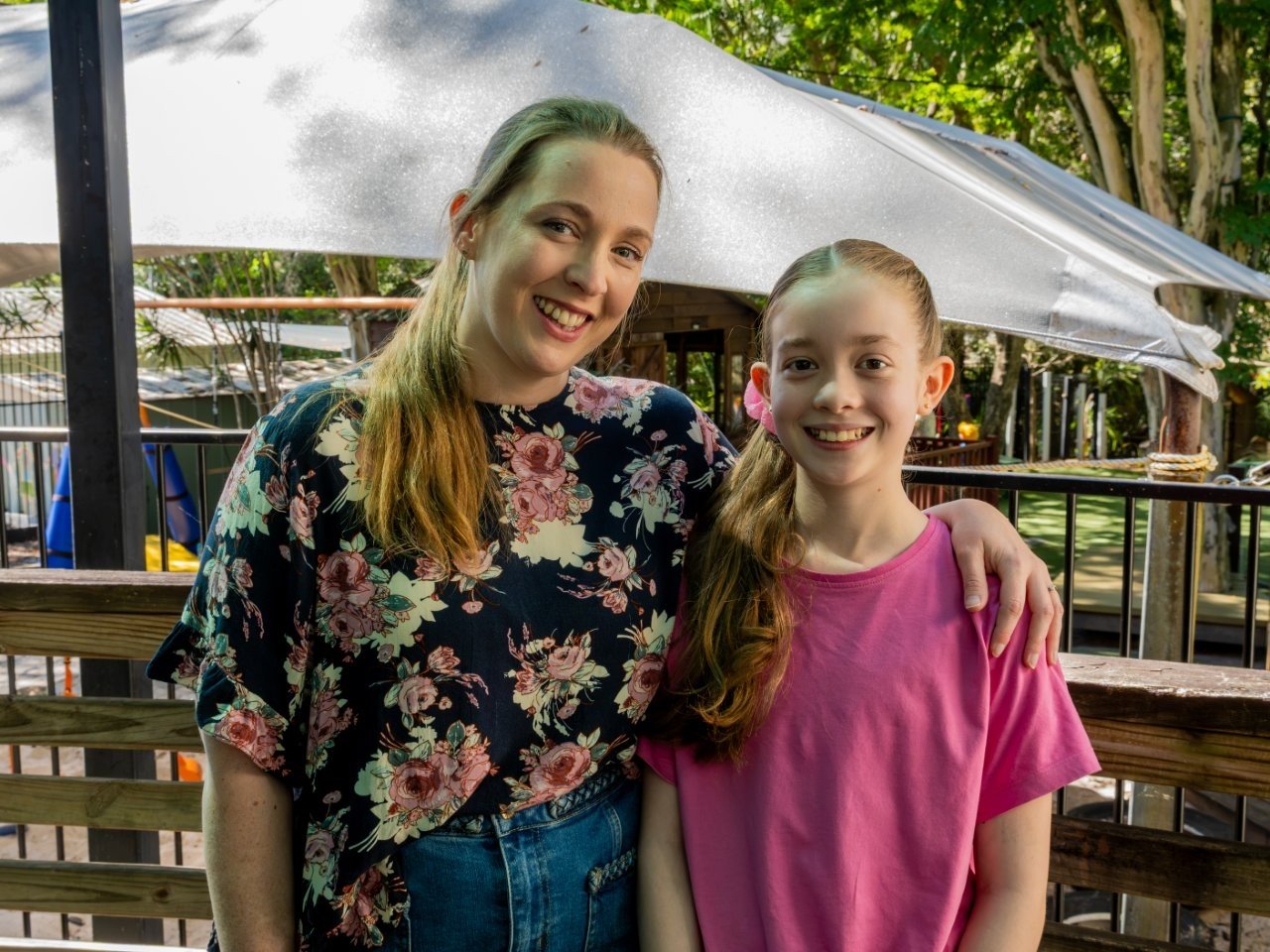
At just three years old, Bria was diagnosed with a condition that means she will be in near-constant pain for her whole life.
The now-11-year-old from Brisbane lives with the connective tissue condition Hypermobility Spectrum Disorder, which means her joints move beyond the normal range, causing inflammation and making her highly prone to injuries.
Although Bria’s disability is largely invisible, she says it impacts almost every aspect of her life.
Her school attendance is about 80 per cent for the year and sometimes she has to skip her beloved co-curricular activities - hockey and dancing.
“There are some days that are too much for me to do activities or focus on learning because my pain level’s too high,” she says.
As a society, we generally associate pain to be something that needs to be fixed, or is something that an older person lives with.
Unfortunately, what we see with the children community is that dismissal and ignoring their chronic pain or putting it down to other reasons, so anxiety was a huge reason, or it might be because they are refusing school or other reasons like growing pains and it’s a normal part of life.
“What we’re really missing is that early intervention of that child’s pain experience, which we know is really transformed the trajectory of that child’s life if they do receive early intervention…
The Kids in Pain Survey highlights a strong overlap between chronic pain and neurodivergence, with 73 per cent of children with chronic pain having at least one neurodivergent diagnosis.
Chronic pain in itself is a complex condition to treat and manage and also to manage, but combined with other conditions, or neurodivergence, it can change the way that it’s presenting to teachers and educators.
“They might communicate it differently even the strategies that we’re using for neurotypical people in chronic pain don’t really apply to people with neurodivergence,” Ellis shares.
“So if you’re trying to tell a child to pace their activities and they’re hyper-focused on a particular activity that doesn’t necessarily work, then we really need to be thinking about a very individualised plan for a child who is neurodivergent and also living with chronic pain.
Like Bria, more than half of the children surveyed started experiencing symptoms by age 10, and almost a quarter by the age of five.
Bria’s mum Theresa says they were fortunate their GP took her symptoms seriously from the beginning, and she was able to obtain her diagnosis and support to manage her symptoms early.
“If we didn’t, I don’t know if we would be in the same place we are today,” Theresa says.
“Which doesn’t mean it’s easy but we at least have the education and the knowledge around what we need to do and where we’re heading.”
Tellingly in Australia, chronic pain is not included in our healthcare dialogue.
In 2019, the World Health Organisation recognised chronic pain as a condition in its own right, and Australia endorsed those changes – however the Government has not adopted a type of health data system that reflects the prevalence of chronic pain.
“If we did that, doctors would also be encoding people the chronic pain which might give more recognition and understanding and elevation to that type of pain condition,” Ellis suggests.
“Then from a system level point of view, we’d also have the policy and investment that matches the prevalence of the condition, because right now it’s completely invisible in our Australian healthcare system.”
Although her friends, family and teachers have been very supportive, Bria says her condition is often misunderstood.
“The pain is always there and just because you can’t see it doesn’t mean it’s not there,” she says.
Ellis says CPA has lots of resources on the website for kids in Pain Week.
“It takes a village to help support children with these chronic conditions, and teachers are one of those influencers that can make real impact to a child’s and make their life that little bit easier by making those reasonable adjustments.”