The popular online video game platform and game creation system on Thursday received an enforceable undertaking following concerns about exploitation and abuse guardrails on its platform.
The eSafety Commission alleged the game was not meeting its obligations under the Online Safety Act’s codes and standards.
Roblox does not have adequate measures to prevent contact between adults and under-16s, the office alleged. The company believed it met its obligations.
The platform’s service standard also requires children’s accounts to be set to private by default with accessible reporting procedures.
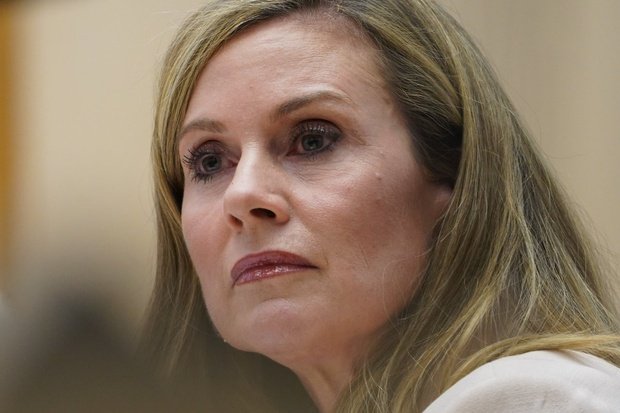
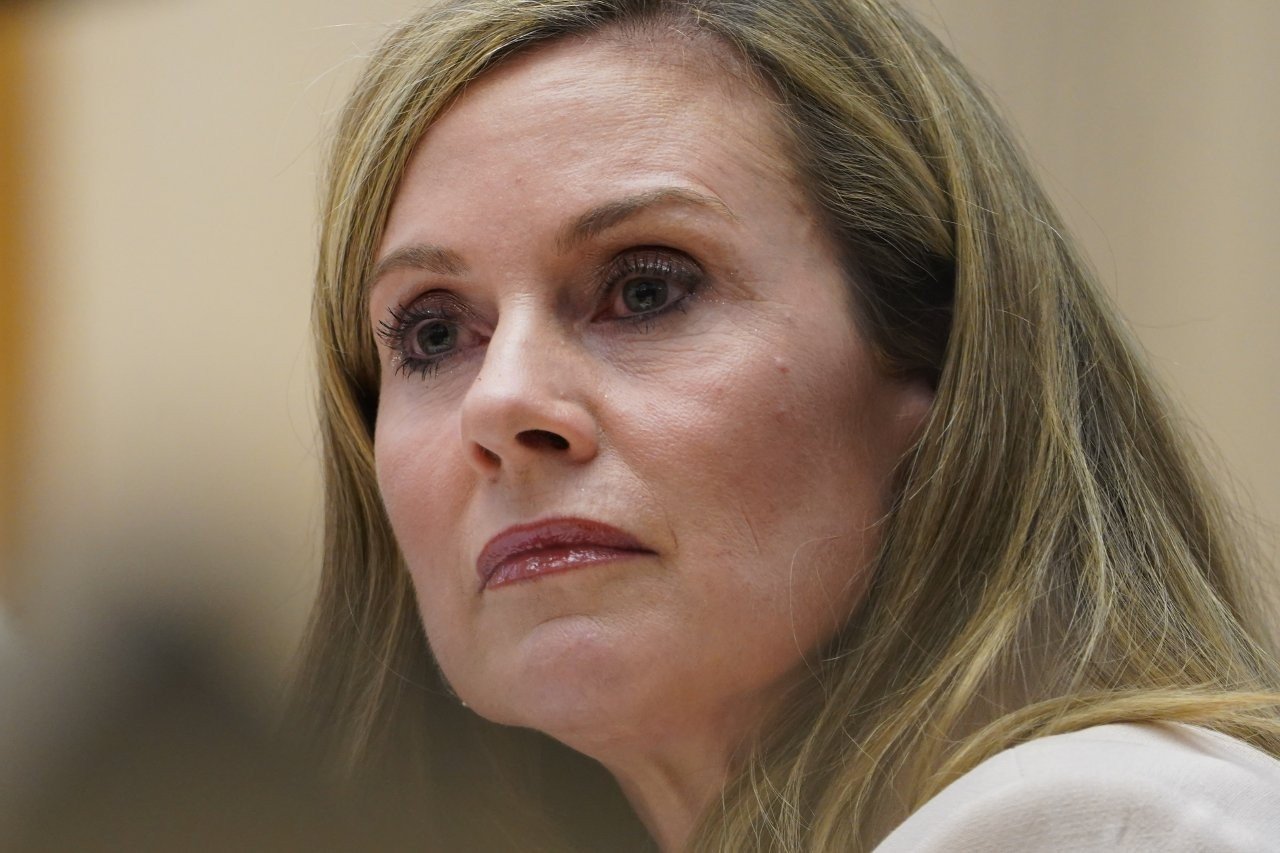
Commissioner Julie Inman Grant said her department had been engaging with Roblox “for some time at senior levels”.
“The company has responded, making a number of improvements to its service,” she said.
“Their executives clearly understand that verifiable safety measures are critical to their long-term viability and success.
A Roblox spokesperson told EducationHQ that the platform has delivered on the commitments it has made and eSafety’s own investigation did not identify any issues related to these commitments.
“This undertaking follows constructive dialogue with eSafety, and comes after the recent rollout of industry leading safety features on Roblox – including the introduction of new Roblox Kids and Select accounts for under-16s,” the spokesperson said.
“We have delivered on the commitments we made to eSafety over the last 12 months and will continue to work towards our shared goal of keeping Australian children safe online.”
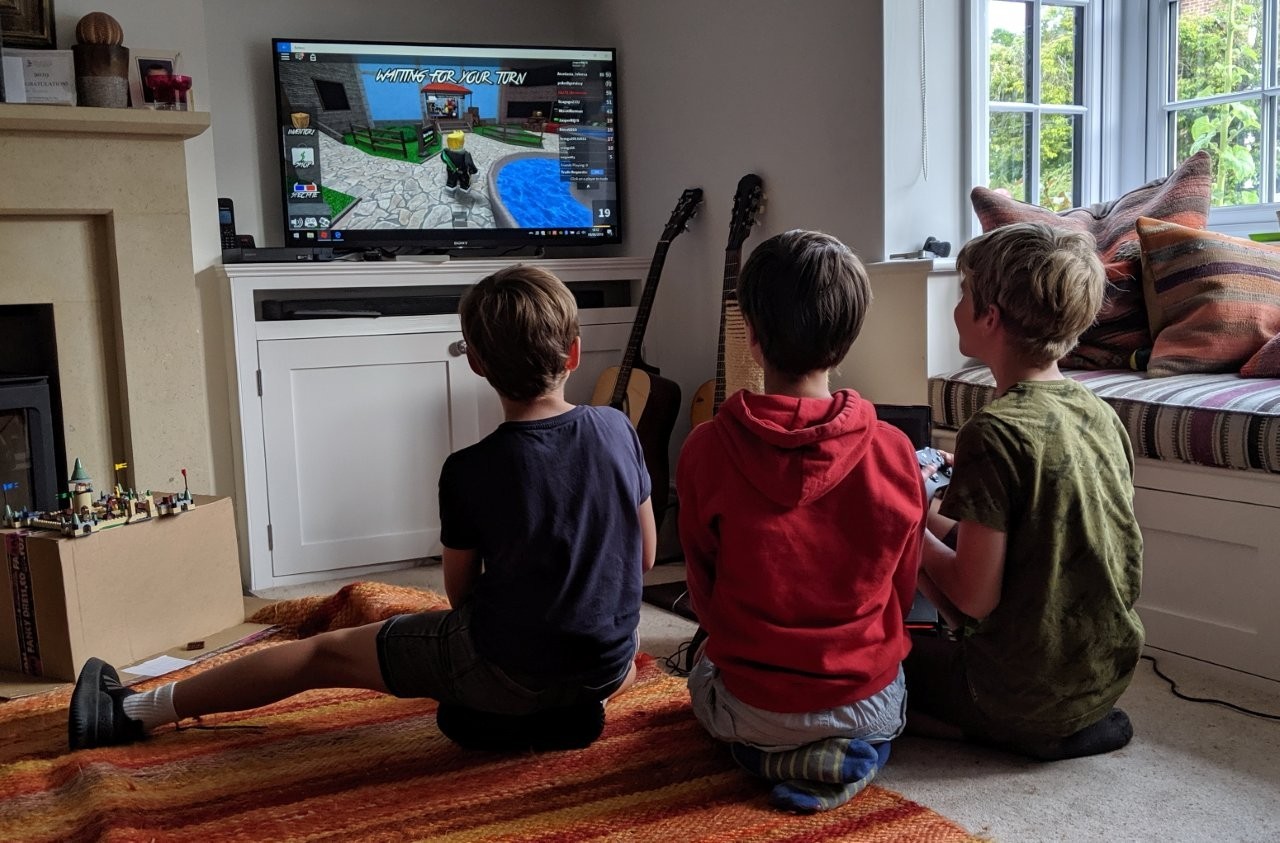
“While no system is perfect, we believe the steps we’ve taken significantly advance our platform’s safety,” a Roblox spokesperson says. PHOTO: Henry Burrows
Roblox is the first large online gaming platform to require facial age checks for users of all ages to access chat, the spokesperson said, “marking a significant step in limiting communication between adults and minors”.
He said Roblox does not allow image or video sharing in chat “and we do not encrypt chat, so that we can monitor for inappropriate interactions”.
Roblox is the second most popular game with children in Australia and recent national research estimates there are about 1.7 million Australian children on the platform.
“We want to ensure that any platform with a high preponderance of kids to be a safe place where they can enjoy the benefits of online gaming, creativity and connection, including building their own worlds and experiences online,” Inman Grant said.
“But those benefits can only be realised when effective safeguards are in place to protect children from serious harms such as grooming, child sexual exploitation, sextortion or recruitment into violent extremism.
“We also want to give Australian parents both the tools and the peace of mind that they will be notified when strangers are reaching out to their children on co-mingled platforms.”
Under the agreement, the platform committed to better prevent adults from contacting unknown children without parental consent and to ensure children’s accounts set to private by default.
Roblox also committed to implementing accessible report mechanisms notifying of complaint outcomes and agreed to engage a third-party auditor to assess its safety measures’ efficacy.
All commitments must be enacted within three months.
It comes after the eSafety Commission tested the platform’s guardrail claims earlier in 2026.
The testing found adults could send connection requests to children, and children’s profiles were visible to others on the platform,.
The platform’s restricted accounts for children and teens were launched in June.
Roblox falls outside the government’s under-16s social media ban as a gaming service.
The eSafety office also previously issued transparency notices to Roblox and other services about their basic obligations under Australian rules.
“Ultimately, our goal is to drive companies to make their services safer for children and young people,” Inman-Grant said.
“Where safety by design has not been deployed comprehensively at the front end, we won’t hesitate to ensure that these risks have been responsibly remediated.
“Holding Roblox to the binding safety improvements through this enforceable undertaking is a great example of how these systemic powers can deliver real and meaningful results.”
A report on the findings is expected later in 2026.
Meanwhile, on Tuesday last week, speaking at the Royal Commission into Anti-Semitism and Social Cohesion, Australia’s counter-terrorism chief locked kids’ gaming in his sights, looking to meet at-risk youth where they are.
Brendan Dowling said social media already constituted a key frontier for counter-extremism efforts, but gaming was also a priority.
It marked a rare public appearance for Australia’s counter-terrorism co-ordinator, appointed to the role in May after the commission’s interim report recommended the role was made permanent.
“In previous iterations of addressing extremist content on social media platforms, gaming hasn’t featured very prominently,” he said.
One pilot program aimed at redirecting social media users from extremist content to its own resources and case handlers is tapped for an expansion into gaming.
“Considering the level of concerning activity we see on gaming platforms, we’re very keen to work with programs like Roblox to try and reach that audience,” Dowling said.
“We know as a platform where there is a lot of user-generated content, the risk of violent extremist material or communications is very real.”
Among wider recommendations, he suggested the Federal Government explore a public-facing gaming scorecard grading developers’ action against extremist content.
Dowling also suggested the government pursue further measures to limit social media harms to youth and improve digital literacy and critical thinking education in the context of radicalisation.
(with AAP)