
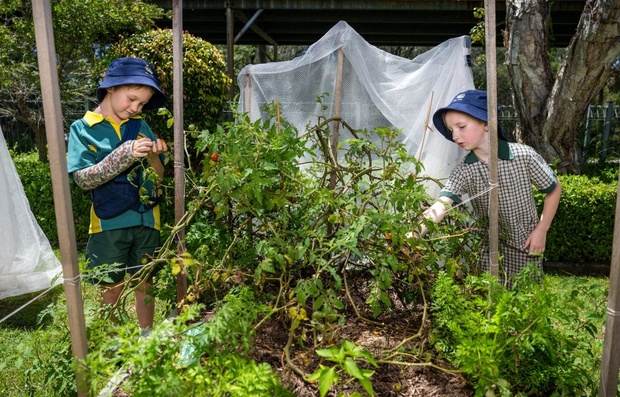
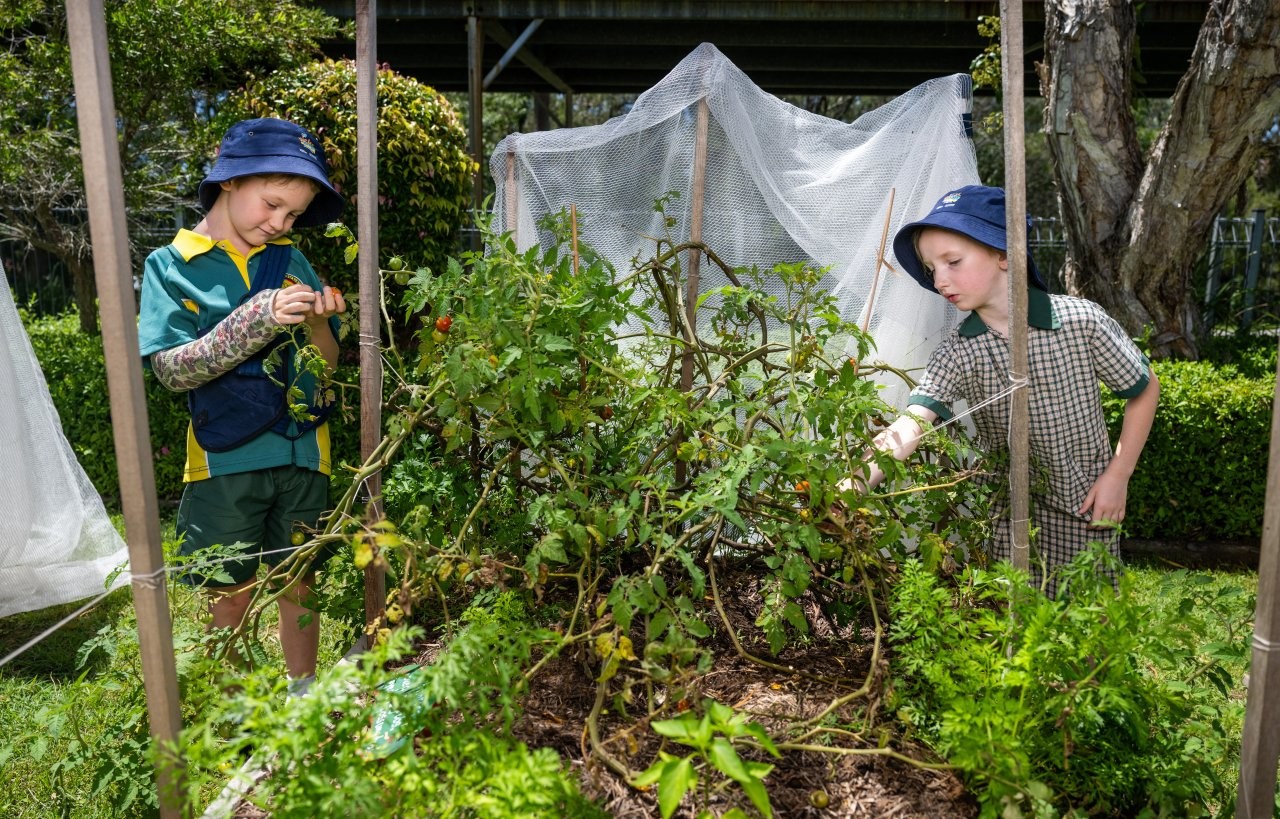
Boosting vegetable consumption among Queensland students, with a focus on identifying the most effective ways to help students eat more vegetables both at school and at home, has been the main aim of the Pick of the Crop initiative, which engages primary schools to strengthen their strategies to encourage children to eat more vegetables.
Since 2021, the initiative has been successfully delivered in more than 250 schools, reaching 54,000 students.
Pick of the Crop will now join the national Plus One Serve by 2030 initiative in a two-year research partnership that will strengthen the program’s evidence base by examining which school-led actions have the greatest impact on children’s vegetable awareness, enjoyment and consumption.
The initiative takes a whole-of-school approach, integrating vegetable education and exposure across three areas, including curriculum, school environment, and community and family engagements, and by embedding sustainable actions into curriculum, tuckshops, gardens and community partnerships, the initiative seeks to ensure impact continues beyond project funding.
Activities may include school garden programs, classroom learning, cooking experiences, vegetable tasting activities and connections with local growers.
Research findings will be shared nationally through publications, conference presentations and the Plus One Serve network to support broader scale-up.
“Low vegetable consumption is a significant concern for all Australians,” Dr Robyn Littlewood, CEO, Health and Wellbeing Queensland, says.
“This co-investment builds on the proven success of Pick of The Crop, allowing us to enhance what’s already working and expand it to even more schools and communities.
“The insights from Pick of The Crop Plus One will provide a roadmap for schools and regions nationwide to adopt effective nutrition programs, creating meaningful change for the health and wellbeing of Australians and boosting public health and productivity outcomes.”
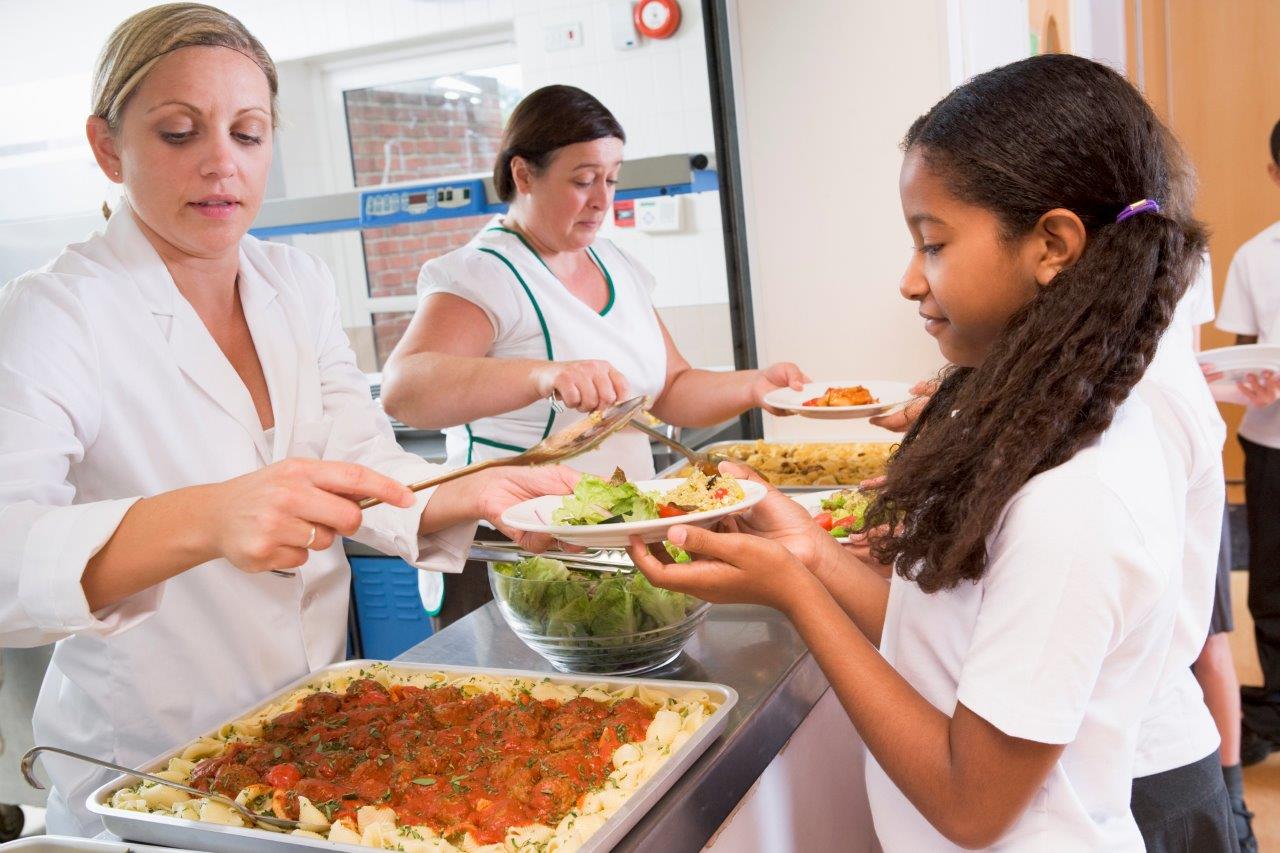
Supporting children and young people with access to nutritious foods, as well as supporting positive attitudes and behaviours towards food and eating, can positively foster mental health and wellbeing.
Despite strong public health messaging, only 4.6 per cent of Australian children aged 2-17 met the recommended five serves of vegetables consumption a day in 2022, a decrease from 6.3 per cent in 2017-18.
The proportion of children who do not usually eat vegetables has tripled (from 1.5 per cent vs. 4.5 per cent).
Schools are one of the most powerful environments to influence lifelong dietary behaviours, reaching children, families and communities at scale.
Justine Coates, managing director of Plus One Serve says improving vegetable consumption is one of the most important preventive health opportunities we have as a nation.
“With fewer than 1 in 20 Australian children meeting recommended intake, there is a clear need for coordinated, evidence-based action,” Coates says.
“Schools provide a powerful platform to reach children, families and communities at scale.”
British Government announces overhaul of food in schools
In the UK, high-sugar and deep-fried food are being taken off the menu and more healthy options on them, in new plans to overhaul school dinners and tackle the nation’s obesity health crisis.
Millions of children will benefit from healthier, more nutritious, tasty meals at school as the Government last week set out its plans to overhaul the School Food Standards for the first time in more than a decade.
One in three children are leaving primary school overweight or obese in Britain, while tooth decay from diets high in sugar is the leading cause of hospital admissions for kids aged 5 to 9 – all while sugary treats and deep-fried food continue to feature on school menus.

The British Government has launched a nine‑week consultation on the new healthier food options in schools with parents and children, alongside a new national enforcement mechanism to monitor the new standards and ensure they are applied consistently.
The move comes after parent polling revealed three quarters are concerned by the food their children are eating.
The British Government’s proposals include limiting food and drinks high in fat, salt and sugar and putting more fruit, vegetables and wholegrains on every child’s plate.
The new standards have been developed alongside nutritionists and public health experts and will apply to all breakfasts and lunches served by schools.
Under the plans, schools will no longer be able to offer unhealthy ‘grab and go’ options like sausage rolls and pizza every day, while deep fried food will be banned completely. Fruit will also need to be served instead of sugar-laden treats for the majority of the school week.
The Government also launched a nine week consultation on the healthier options with parents and children, alongside a new national enforcement mechanism to monitor the new standards and ensure they are applied consistently.
UK Education Secretary Bridget Phillipson said the ambitious overhaul of school food was long overdue.
“Every child deserves to have delicious, nutritious food at school that gives them the energy to concentrate, learn and thrive – meals that children will actually recognise and enjoy, backed by robust compliance so that good standards on paper become good food on the plate,” she said.
To ensure schools follow the new standards, the Government said it is committed to developing a robust national enforcement system including monitoring schools’ compliance and wants every school to appoint a lead governor to be responsible for school food, as well as asking every school to publish their food policy and menus online.
Celebrity chef and long-time nutrition in schools campaigner Jamie Oliver said that 20 years ago, dog food had higher standards than school dinners and that he’s been “banging the drum ever since”.
“Because I refuse to accept our kids being fed anything less than proper, nourishing meals.
“School food is the UK’s most important restaurant chain.
From September, during term-time schools will provide two-thirds of a child’s daily diet – a massive opportunity, Oliver said, to improve health at scale.
“I’m delighted this Government is now updating and enforcing these standards.”
Click here for a range of programs and projects across the country working to boost vegetable consumption and support healthier, more sustainable diets.