What is Data Loss prevention Understanding the best DLP solution for Modern Businesses
Resource Description
Introduction
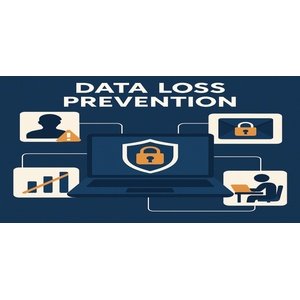
In today's digital-first world, sensitive information is a valuable asset that businesses must protect. Data Loss Prevention (DLP) software plays a crucial role in safeguarding confidential data from both malicious threats and unintentional leaks. As cyber threats evolve, a robust DLP solution ensures compliance, enhances security, and boosts productivity. In this article, we explore the essential features, benefits, and industry use cases of data loss prevention software, helping businesses select and implement the most effective solution.
What Is Data Loss Prevention?
Defining Data Loss Prevention Software
Data Loss Prevention (DLP) software is a security tool designed to prevent unauthorized access, leakage, or misuse of sensitive data. Businesses use DLP solutions to monitor and control data movement, ensuring that confidential information remains protected from insider threats and cyber risks.
Why Businesses Need DLP Solutions
With increasing cyber threats, businesses cannot afford data breaches that expose financial records, intellectual property, or client information. A DLP solution helps organizations maintain compliance with data protection regulations while securing internal operations.
Key Features of Data Loss Prevention Software
Modern data loss prevention software offers advanced security features that empower businesses to safeguard their most sensitive assets:
Insider Threat Prevention
Detect potential risks from employees accessing or mishandling sensitive information.
Data Misconduct Detection
Identify and prevent unauthorized attempts to share or modify protected data.
User Behavior Analytics
Analyze patterns and behaviors to predict security threats before they occur.
Continuous Data Monitoring
Ensure that sensitive files remain secure by tracking movement across endpoints.
Employee Monitoring
Enhance transparency and security by overseeing staff interactions with confidential data.
Benefits of Using Data Loss Prevention Software
Employing a DLP solution brings several advantages to businesses seeking robust cybersecurity and compliance strategies:
-
Prevents malicious threats such as cyberattacks targeting corporate information.
-
Mitigates unintentional leaks that occur due to employee mistakes or negligence.
-
Reduces financial risk by avoiding regulatory fines and data breach costs.
-
Strengthens compliance efforts to align with data protection laws.
Compliance and Privacy Considerations
To maintain ethical data security, businesses must address privacy and compliance challenges:
Navigating Data Protection Regulations
Organizations must comply with GDPR, HIPAA, and CCPA to ensure lawful data handling.
Ethical Employee Monitoring
Balancing security and privacy in DLP solutions is critical to maintaining trust within the workplace.
Best Practices for Compliance
Implement policies that align with legal requirements and ethical data monitoring.
Real-World Use Cases of DLP Solutions
Industries worldwide leverage data loss prevention software to secure confidential information:
-
Healthcare: Protects patient records under HIPAA compliance.
-
Finance: Secures sensitive financial transactions from cyber threats.
-
E-commerce: Prevents customer data leaks and identity theft.
Choosing the Right DLP Software
Selecting the best DLP solution depends on various factors, including:
-
Scalability: Can the software grow with business needs?
-
Integration: Does it work seamlessly with existing security tools?
-
User-Friendliness: Is it accessible for all employees without technical difficulties?
Implementation Best Practices
Successfully deploying data loss prevention software requires structured implementation:
-
Assess security needs and risks before adopting a DLP solution.
-
Develop clear usage policies to align with compliance requirements.
-
Train employees to prevent unintentional data leaks.
Trends and Future Outlook for DLP Software
Emerging technologies are transforming DLP solutions to meet growing cybersecurity demands:
AI-Powered Data Protection
Data loss prevention with artificial intelligence, the role of AI in your DLP software is to maximise the benefits of predictive analytics and automatic threat detection.
Cloud-Based DLP Solutions
As remote work continues to grow, cloud-native DLP software provides scale and real-time protection for companies.
What are you thinking?
What makes DLP software unique from other cybersecurity solutions?
After all, data loss prevention tools are designed to protect internal data leaks, while traditional cybersecurity protects the outer edges of networks and systems from external attacks.
Can DLP solutions help to be compliant with data protection laws?
Absolutely! DLP software supports businesses in meeting legal obligations, such as GDPR, HIPAA, and CCPA, by doing so, monitoring and preventing unauthorised access to data.
What are the best industries for DLPS?
Industries such as finance, healthcare, or e-commerce receive strong protection against data leaks or insider threats using DLP software.
Conclusion
In an era where data security is paramount, businesses must proactively implement data loss prevention software to protect sensitive information. A well-chosen DLP solution strengthens security protocols, ensures compliance, and mitigates cyber risks. By understanding key features, use cases, and future trends, organizations can make informed decisions and adopt DLP software tailored to their operational needs.