The three-year agreement provides three per cent increases in the first and second years, with 2.75 per cent in the third year for Tasmania’s public teaching workforce.
It is backdated to begin from March this year and matches deals already accepted by police, firefighters and the broader public sector.
Lump-sum boosts will also be added to base salaries before the first pay rise, including $500 for band one, Level 13 teachers, $400 for advanced skills teachers and $250 for assistant principals.
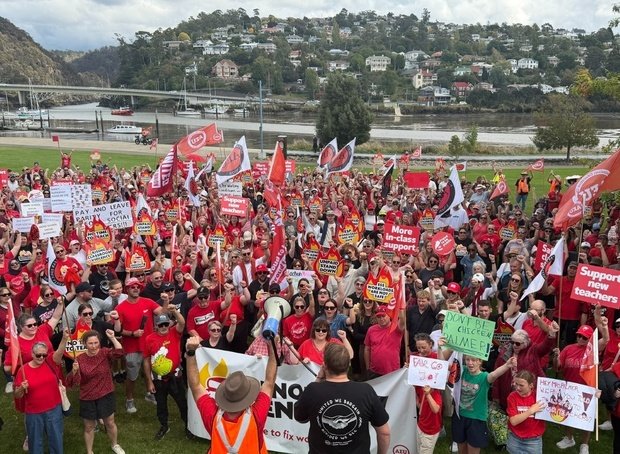
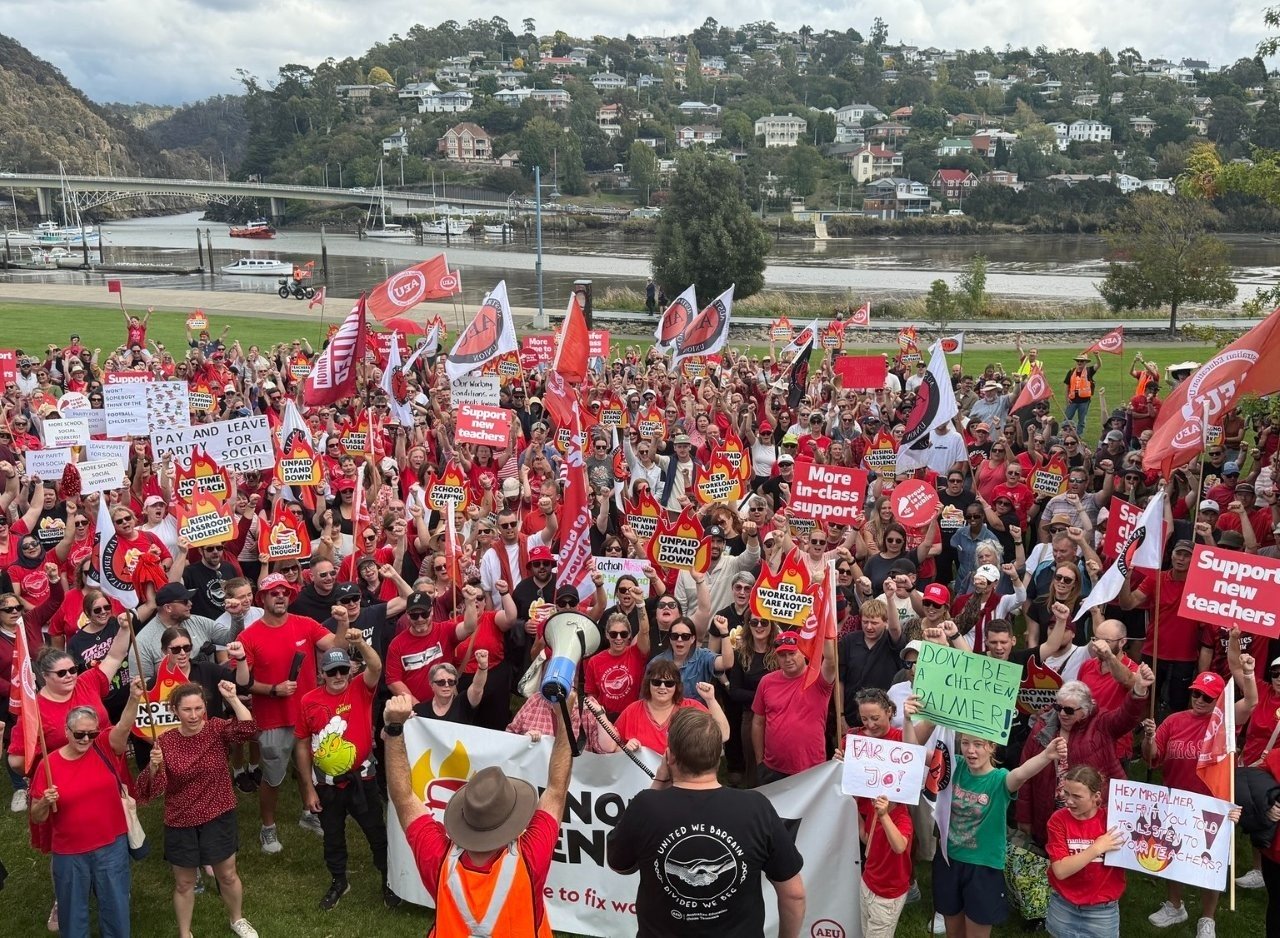
Hundreds of education staff and members of other unions rallied outside parliament in March, campaigning for better pay and conditions, with rolling ‘once in a generation’ 24-hour school strikes taking place on the north-west coast, followed by Launceston and the Hobart area.
This followed earlier industrial action including not administering or supporting NAPLAN assessments, no NAPLAN practice or preparation and no covering of any classes to help facilitate them.
The vote on Monday was backed by 72 per cent of Australian Education Union Tasmania members, which includes teachers, psychologists, education support specialists and school leaders.
“These wins were only possible because you and your co-workers took action together,” a union spokesperson said.
“The past 12 months have seen our first 24-hour strikes in a generation, as well as unprecedented work bans.
“While the new agreement won’t solve the education crisis overnight, it will go some way towards alleviating pressure in schools - that’s something to celebrate.”
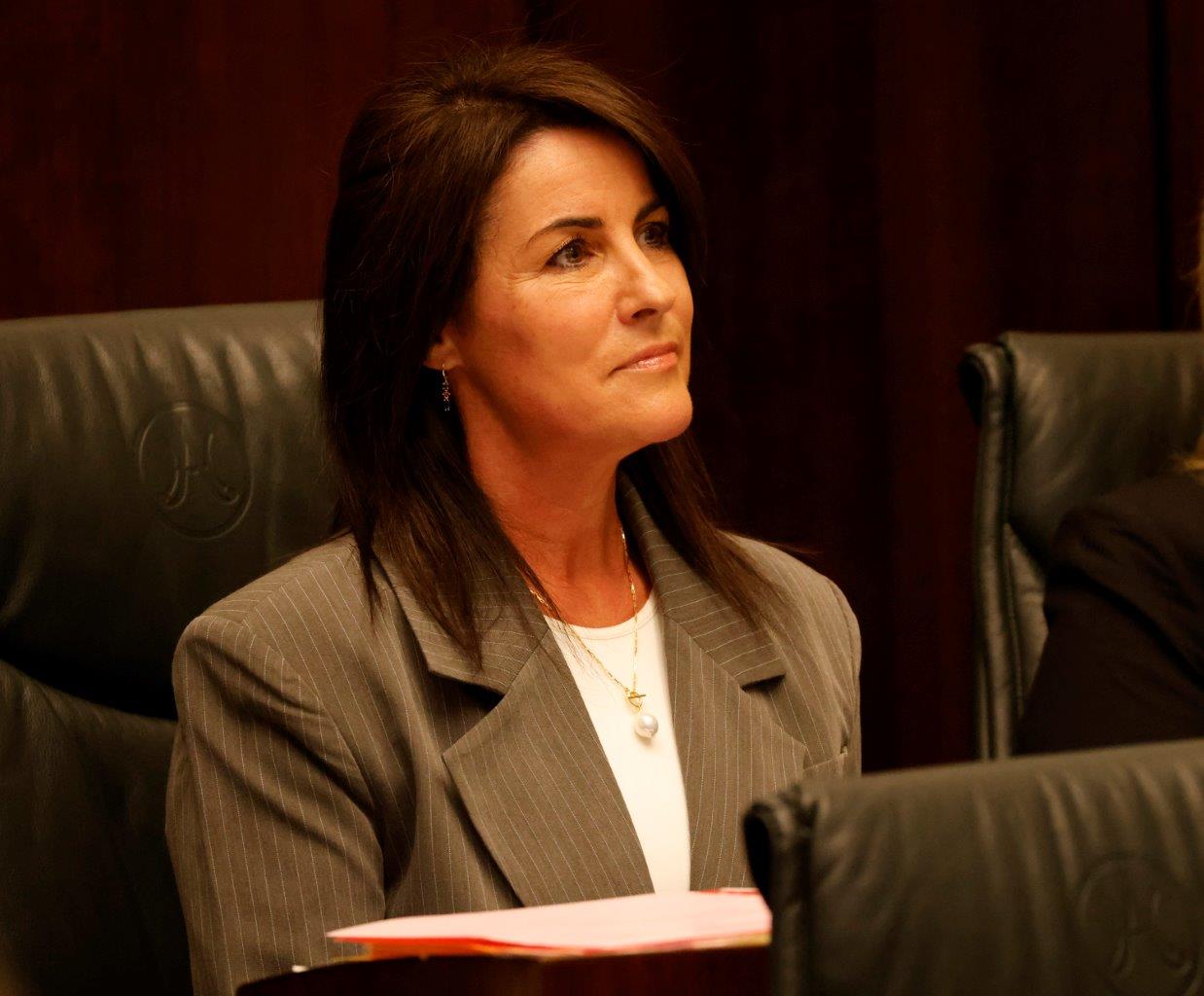
Education Minister Jo Palmer says: ”This is a fair and affordable deal that provides long-term certainty, delivers meaningful pay increases, and improves conditions in key priority areas”.
In terms of alleviating workloads, the deal includes after-school meetings being capped at 80 hours for this year, dropping to 60 hours in 2027, with one meeting-free week each term.
Professional activity days will be reduced from 28 hours to 21 hours, which can no longer be used for staff meetings, but for parent-teacher sessions, welcome barbecues, supervising socials etc.
A new school psychological assessment hub will be established with seven full-time equivalent psychologists to cut waiting times and free up school-based staff.
There will also be five days of paid reproductive leave, an extension of family and domestic violence leave from 20 to 25 days, and five “personal impact days” each year to help staff manage critical incidents and vicarious trauma.
The Rockliff Government has also agreed to spend $10.6 million over three years on 8.6 full-time equivalent positions to implement the school violence action plan, an increase of more than $8 million on the government’s proposed plan.
A pilot of six deputy principal roles will also run in large and diverse schools and 11.8 full-time equivalent senior staffing positions will be added across 29 identified schools.
Term dates are to be realigned for 2028–2038, with the AEU saying this will mean the Easter break will fall within term time, delivering staff an extra three days of paid leave a year.
Educational Minister Jo Palmer confirmed the union had formally accepted the proposal on Monday.
“We value the hard work of our teachers and school staff, and this agreement recognises the important role they play in our classrooms every day,” she said.
“This is a fair and affordable deal that provides long-term certainty, delivers meaningful pay increases, and improves conditions in key priority areas.”
While some on AEU Tasmania Branch’s facebook page have posted support for the agreement, many have ridiculed it.
“Tasmania are likely to be 30-40% behind other states by the end of their agreement. What is going on in Tassie?!” one responder remarked.
“Pay rises averaging 8.75%–9.01% over the life of the agreement? Not sure why this would be considered a ‘win’?” another said.
“Disappointing really. Anything below the inflation rate is a pay cut. Happy with some of the other conditions, but really, we as educators have been absolutely fleeced,” was another response.
The agreement comes as teachers in Victoria continue to negotiate with the Allan Labor Government for a better pay deal to address severe teacher shortages and what it describes as the lowest-paid public school workforce in Australia.
The AEU Victoria branch is warning school disruptions are on the cards as educators consider further strike action.
At present Victoria’s public school staff have placed bans on written comments in student reports for parents, are refusing to implement new government initiatives in schools, and will escalate stop-work action, as part of the AEU’s campaign aimed at “securing fair pay and conditions, and full and fair funding for public schools”.
The teachers’ union and the State Government have been at loggerheads over a pay deal after an offer of an 18.5 per cent increase over four years was rejected.
The union wants a 35 per cent pay rise over three years, along with measures to address excessive workloads and ongoing staffing shortages.
The pay demand aims to close the growing wage gap, with reports that Victorian teachers are facing a disadvantage of up to $15,359 a year compared to New South Wales counterparts.
Victorian Branch President Justin Mullaly said Premier Jacinta Allan and Education Minister Ben Carroll take the state’s public school staff for granted.
“If they care about public school students and families, and want to properly address chronic staffing shortages, they need to immediately fully fund public schools and offer public school staff pay increases that properly reflect the value of their work,” Mullaly said.