

Findings suggest that some primary school children already have signs of developing heart damage, which only illustrates the urgency of schools consulting the nation’s first-ever clinical guidelines on childhood hypertension, which have just been released.
Developed by Edith Cowan University’s (ECU) Nutrition and Health Innovation Research Institute (NHIR) and Murdoch Children’s Research Institute (MCRI) in partnership with Hypertension Australia, experts behind the guidelines are calling for blood pressure checks to become a routine part of childhood healthcare starting at the age of seven.
“We regularly see children as young as seven and eight years old with high blood pressure who already have organ damage, including thickening of the heart muscle,” ECU’s Dr Nicholas Larkins says.
“It’s a silent disease. One in 11 Australian children now have high blood pressure, which is often symptom-free. It can damage young bodies for years before it’s picked up.”
Childhood hypertension has become a major emerging health threat according to MCRI’s Associate Professor Jonathan Mynard.
“There is now strong evidence that high blood pressure in childhood is linked to serious health conditions … later in life,” he says.
“High blood pressure in children has rarely been on the radar of health professionals or the public. We hope the new guideline will bring this important issue into focus.”
The new guidelines are the first to provide a clear pathway for identifying and managing high blood pressure among Australian children and adolescents.
“Previous guidelines haven’t covered children because the evidence linking blood pressure in childhood and later health conditions was less certain. But now we have multiple, large long-term studies demonstrating strong links to adverse health outcomes,” Mynard says.
Not surprisingly, the guidelines say childhood obesity is the main driver of increasing rates of hypertension, however other factors include diets high in salt and processed food, not enough exercise, too much screen time, family history of high blood pressure, being born prematurely or small for age and economic disadvantage.
The good news is lifestyle changes by children and teens can reverse or delay the need for medical intervention.
“The most important interventions are often the simplest,” Larkins says.
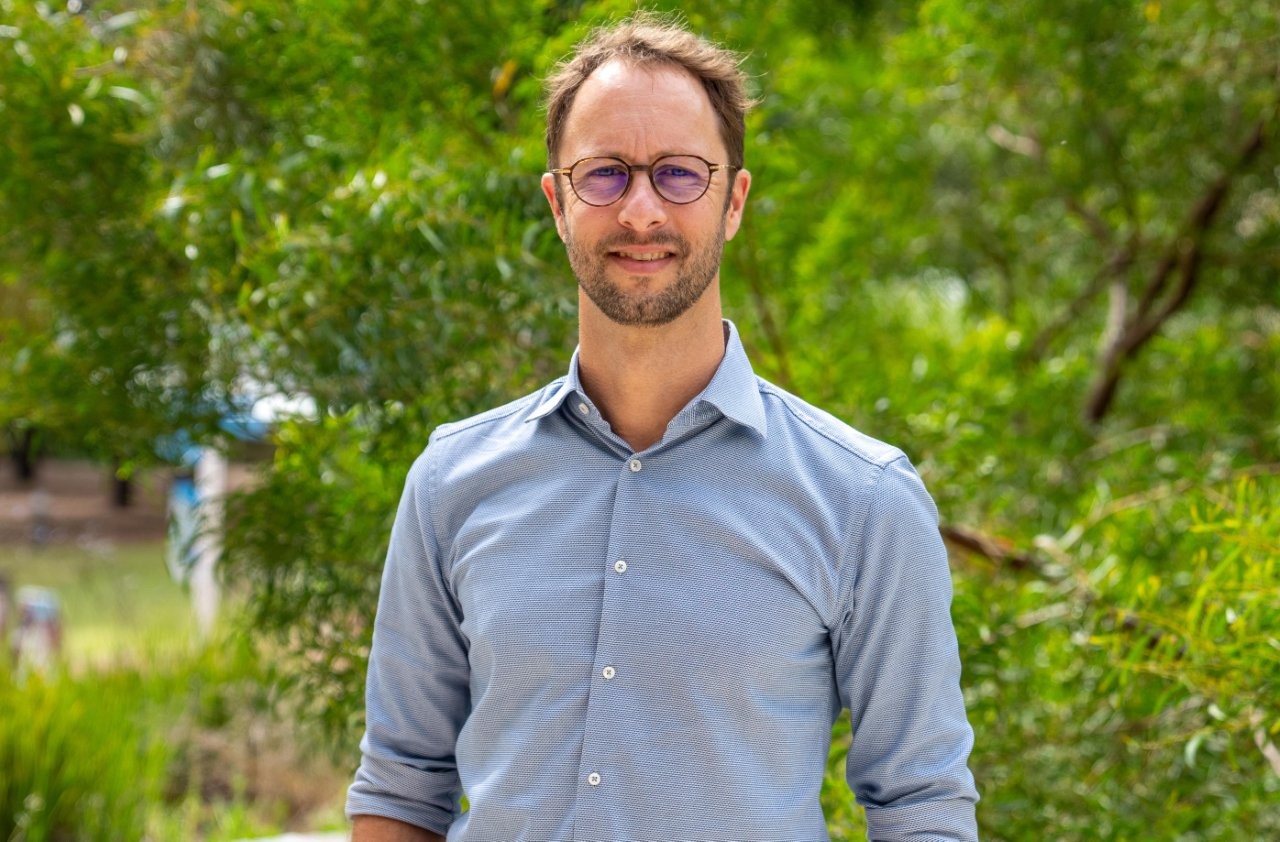
“Our goal is to get the message out to parents to get their children checked so we can provide families with the support they need before high blood pressure causes lasting harm,” Dr Larkins says.
Improving diet, increasing physical activity, reducing salt intake, and helping families make sustainable lifestyle changes can make a real difference to blood pressure and long-term health outcomes, the researcher explains.
“Eighty per cent of the salt in our diets is hidden in packaged food, it’s in sliced white bread, it’s in anything that comes from the freezer aisle, anything that comes from Uber Eats,” Larkins tells EducationHQ.
“And that’s something you can adjust, although we all know that society is increasingly trying to set us up to fail on that end, but it’s not a lost cause.”
Exercise is a big one for kids, the paediatric nephrologist says.
“You get your most bang for your buck if you take somebody who does no exercise, and you get them up towards 120 minutes of moderate to vigorous activity per week, you get improvement.
“After that, the benefits are less and more subtle in terms of blood pressure, but you also get all the other benefits with exercise – the mental health benefits, the fact that they’re off screens and running around, it is really a significant win, I think.”
Energy drinks are massive issue according to the internationally recognised paediatric nephrologist, clinical epidemiologist and researcher.
“Every second teenager I see in clinic these days, we don’t specifically ask about energy drinks and supplements because they’re so normalised, and giving kids that amount of caffeine is obviously not good.
“The odd coffee is fine. As a doctor, I can consume copious amounts of coffee, and we don’t want to demonise coffee – modest amounts of caffeine is actually great for your health.
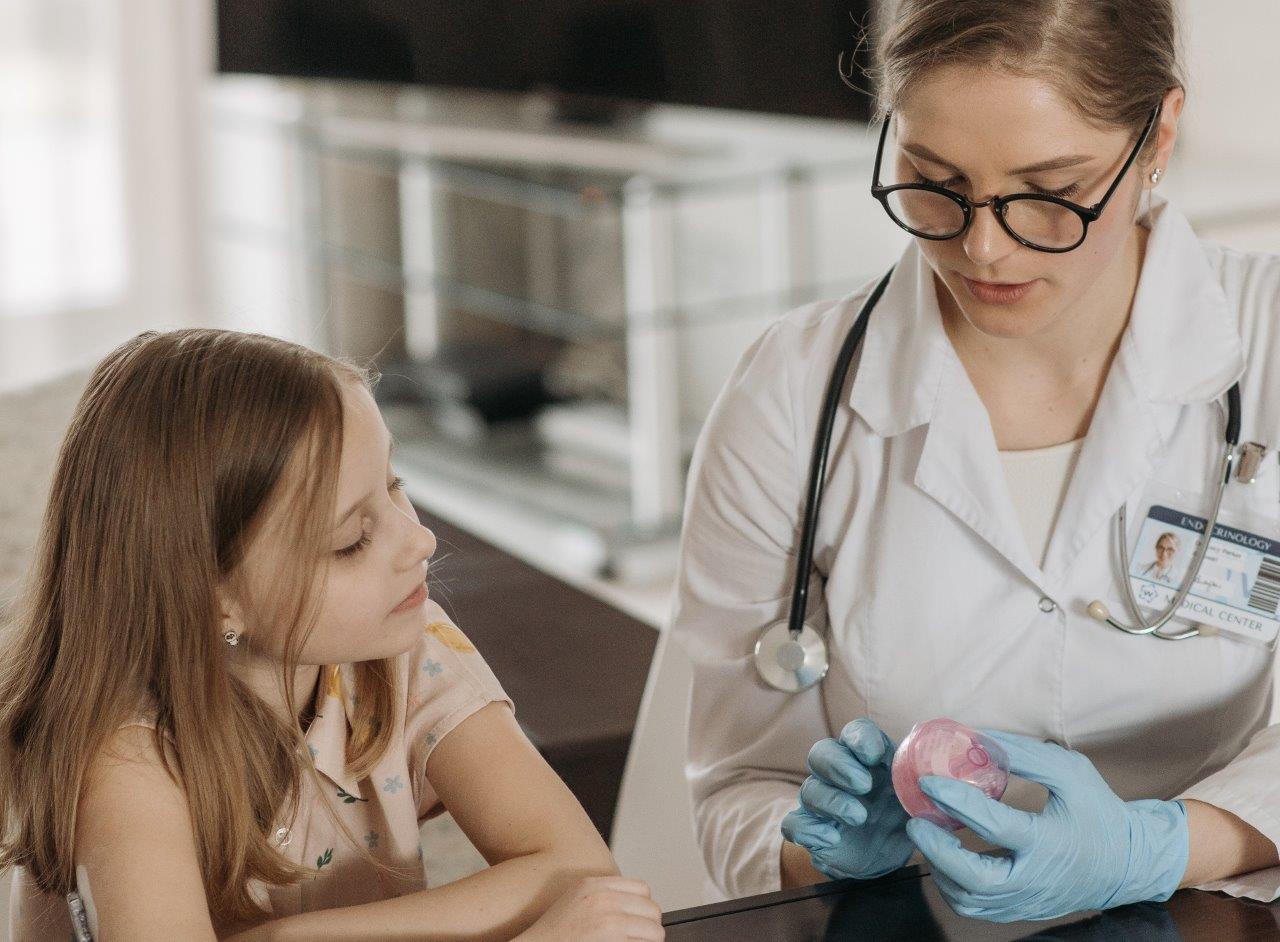
Doctors say blood pressure should be part of routine health care for children, just like height, weight and vision checks.
“It’s unbelievable stuff, but consuming three Monsters a day is not.”
Larkins says blood pressure should be part of routine health care for children, just like height, weight and vision checks.
In Australia we do a terrible job of preventative health care for people, the expert laments.
“At school, we don’t do anything, basically, yet, you go to the US or Europe, you’re seeing a paediatrician every year – and I think that’s probably too far, you can probably over-medicalise kids, but we are too far in the other direction.
“And we know with overweight obesity, if it increases, hypertension will increase, and if we just sit and watch, nothing will happen.
“If you speak to GPs and people in general, if someone has ... obesity and high blood pressure and they’re headed towards diabetes in adolescence, if you don’t get hold of them in these formative years and change their [outlook], once they’re 25, it’s really hard to make progress.
“Once you’re an adult, it’s actually much harder to change these things, and you’re also, all that time accruing damage, not all of which can be undone.”
Hypertension Australia says the new guidelines address a long-standing gap in paediatric care.
“Many people still think of high blood pressure as something that only affects older adults, but that’s clearly not the case,” Hypertension Australia President, Professor Markus Schlaich says.
The best thing we can do, according to Larkin, is teach people to view health from a whole of life perspective.
“We need to take a holistic, whole of life perspective to health and wellbeing, and one of those is keeping an eye out for what we call ‘modifiable risk factors’, but with high blood pressure, (being) overweight and obesity, things we can do something about, that could potentially change a person’s entire life.
“And we can start early with those things, and we can start early with the education...
“You’re going to have much more bang for your buck talking to school kids, and then they go and talk to their parents and you get family-level change, which is more effective even again.”
The way ahead is something of an unknown, and there is debate on where checks should take place – with GPs or in schools.
“The guys at MCRI have done some pilot work going out to schools, and they do an education session with the kids, teaching them about blood pressure, which the kids love, and then they check their blood pressures, and after having been taught about it, they’re more than happy to sit there and have their blood pressure checked.
“The feedback they got from parents on that was amazing.”
A trial is currently being designed that researchers are hoping will run as part of Generation Victoria.
“We’re seeking to involve all kids in Victorian schools, and we’re hoping to include blood pressure and measurements as part of that to try and prove that getting in there makes a difference, and to prove that we can do it at school.”
Published in the Journal of Paediatrics and Child Health, the guidelines developed by BPOzKids Network and Hypertension Australia have been endorsed by the Heart Foundation.