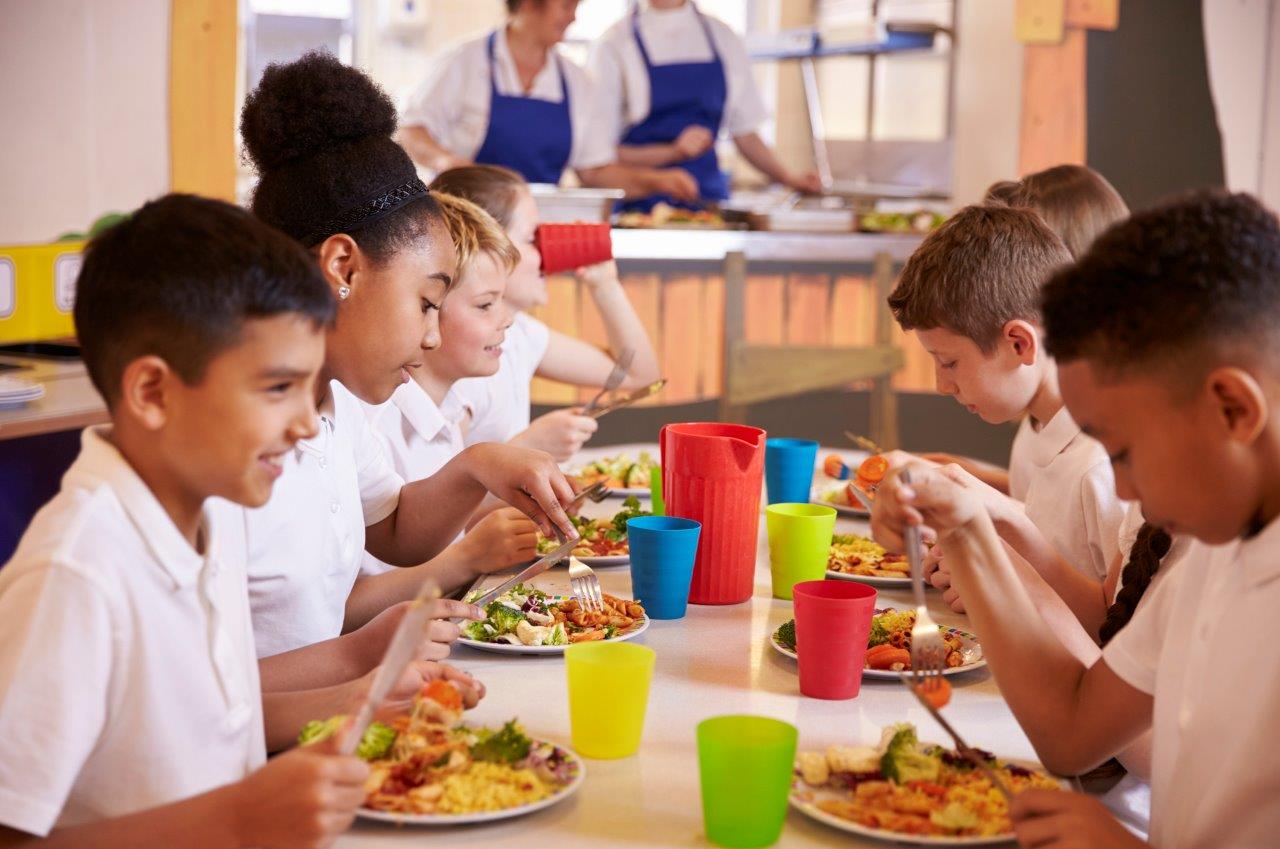
In a new report from University College London (UCL), titled A Mission-Oriented Approach to School Meals: An opportunity for cross-departmental and multi-sector industrial strategy, researchers looked at ways governments can use school meals procurement to encourage better farming practices, improve access to nutritious meals and increase local economic development.
By examining case studies of Scotland, Sweden and Brazil, the team explored what has been done already to use school meals as an economic instrument, and what opportunities exist.
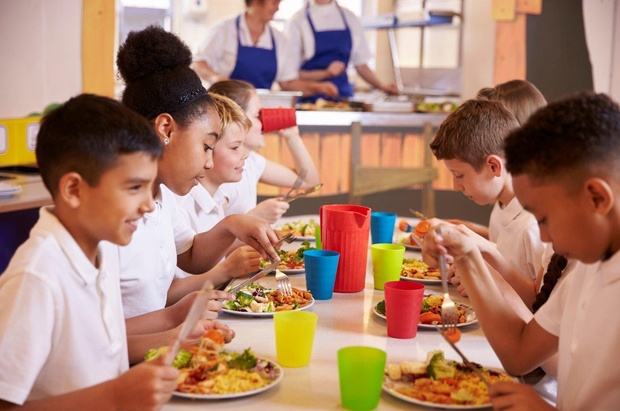
School meals are one of the most widespread social safety nets in the world, reaching an estimated 466 million children.
With about US$84 billion (A$126 billion) spent last year on school meals (up from A$64.5 billion in 2020), they constitute a potentially powerful tool for governments to shape the economy and drive sustainable transformation across food systems, the research says.
The global food system, which is responsible for an estimated one-third of greenhouse gas emissions (GHG), is the primary driver of biodiversity and ecosystem loss and a major contributor to land degradation and the global water crisis. Current school meals procurement often reinforces these problems.
The researchers call for school meal procurement to be redesigned to maximise public value by designing strategies that provide nutritious meals, encourage sustainable farming and good production practices and increase participation from local producers.
This would represent a general policy shift towards using public procurement to direct private sector behaviour towards public goals — from “fixing markets” after the fact to proactively shaping markets.
“School meals are a tremendous opportunity for governments to use their purchasing power to promote the public good,” lead author of the study, Professor Mariana Mazzucato says.
Mazzucato is the founding director of UCL’s Institute for Innovation and Public Purpose, and says by creating a market for school meals that are healthy, sustainable, tasty and accessible, well-designed food procurement can change the structure of local economies and lead to a more diverse, competitive, innovative and values-aligned supplier pool.
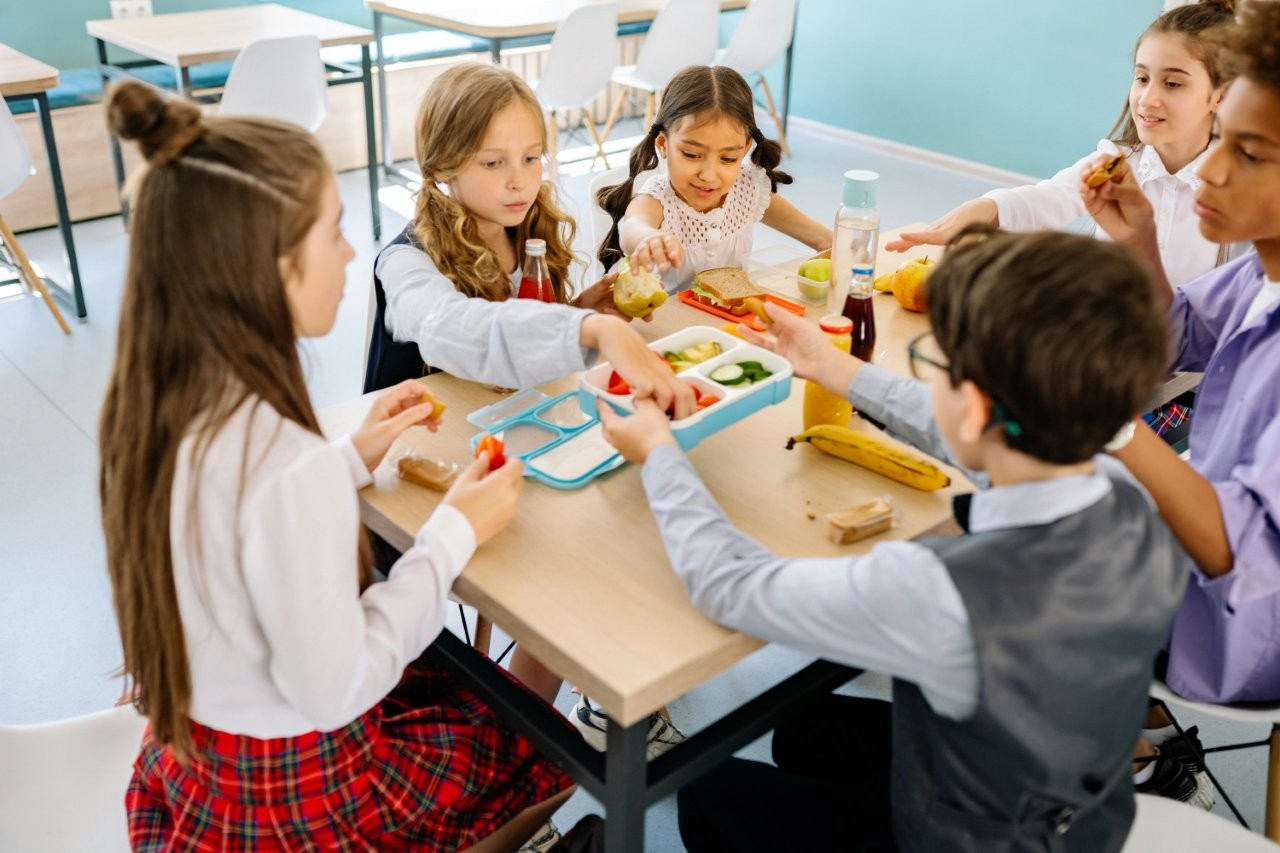
Brazil’s school meal program serves more than 50 million meals daily during the school year and aims to combat child hunger, improve nutrition and education outcomes and create opportunities for family-run farms.
“This kind of mission-oriented industrial strategy should be seen as an investment, not a cost,” she says.
The work builds on Mazzucato’s wider work on mission-oriented frameworks.
Scotland the brave
The report highlights lessons from Scotland’s school meals program, which has sought to promote better health equality across the country since it was first established in 2007.
Since then, it’s been expanded twice to include all students between Grades 1 and 5 in primary school, with plans to further extend it to all primary school children.
While successful in tackling long-standing health and economic inequalities, the report goes on to say that the country’s £238 million per year program (A$485 million) could do more to create market opportunities for local food producers and to promote Scotland’s net zero and other sustainability goals.
The program is administered separately by Scotland’s 32 local councils that manage their own food procurement and purchasing.
With additional strategic coordination, including in the context of Scotland’s recently launched industrial strategy, the report finds that there’s significant potential for school meal policies to drive additional social, environmental and economic benefits.
Swedish bottom-up innovation a winner
Drawing on Sweden’s experience, the report points to the power of a mission-oriented approach to drive bottom-up innovation at the local level and the importance of engaging students in program design.
The country’s innovation agency, Vinnova, worked with select municipalities and other government agencies to develop a series of prototypes aimed at achieving the mission of providing food to students that is healthy, sustainable and tasty.
This example also has some limitations, however, again pointing to the importance of strong national level engagement and an integrated approach that connects school meals with broader food system transformation and industrial strategy agendas.
Brazil leading the way since 1955
The team also looked at what has happened in Brazil.
Its program has evolved significantly since its inception in 1955, with the Programa Nacional de Alimentação Escolar (PNAE) or the National School Feeding Program, now one of the world’s largest, serving more than 50 million meals daily during the school year.
It aims to combat child hunger, improve nutrition and education outcomes and create opportunities for family-run farms.
Recently, it has also been highlighted as an instrument for achieving national industrial strategy goals related to food and nutrition security.
Its operation is largely decentralised to the local level, but national requirements ensure that at least 30 per cent of funds must be used to purchase food from family farmers, which allows for more to be spent on food grown sustainably.
These requirements have contributed to an increase in domestic food production, job creation, higher household incomes among participating producers, more diverse markets and wider adoption of sustainable practices.
Report co-author and policy fellow Sarah Doyle, from UCL’s Institute for Innovation & Public Purpose, says there’s widespread agreement that school meals are good for kids.
“But until they are also understood as an opportunity for farmers and businesses, and for food system transformation, their potential won’t be met and they will continue to be underfunded,” Doyle says.
“The global food system is failing to feed billions of people.
“It is also responsible for a third of global greenhouse gas emissions, is a major driver of ecological degradation and is facing declining productivity – challenges that will only intensify as the world’s population grows.
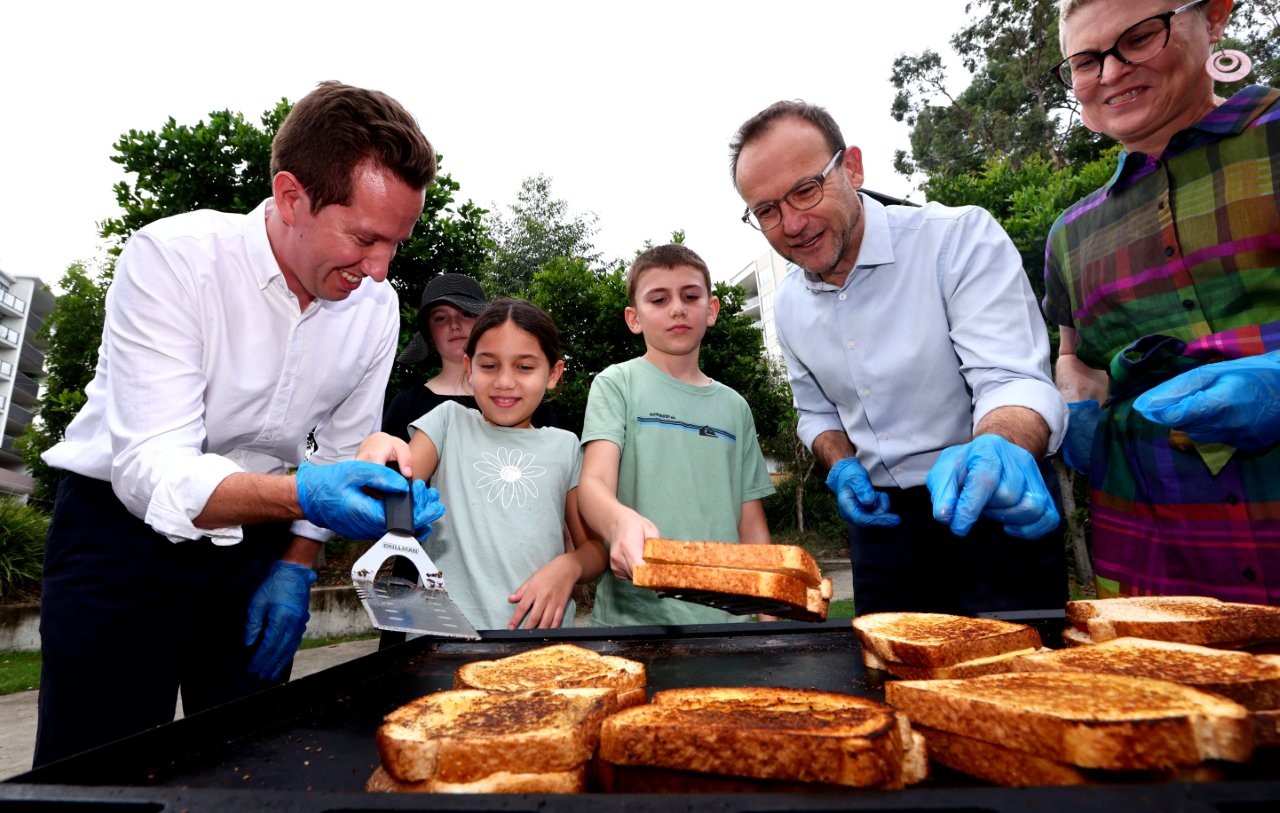
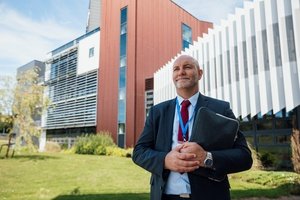
Max Chandler-Mather, above left, and The Greens launched a school meals policy at the May election titled Free Breakfasts for Primary Students. PHOTO: AAP
“As a tool of green industrial strategy, school meals procurement can create market opportunities that promote food system transformation and contribute to sustainable growth.”
Australia? Still in the starting blocks
Australia lacks a universal, government-funded school meal program, and is one of the few high-income countries that does not provide children with a daily nutritious meal at school.
Interestingly, children here have much higher rates of obesity than children in countries with healthy lunch programs.
Instead, we rely on a mix of community-based initiatives, such as Eat Up and the Victorian School Breakfast Clubs program, School Food Project, Foodbank, and individual families providing packed lunches.
A 2022 Flinders University report found that more than 80 per cent of Australian primary school lunches are of poor nutritional quality.
Half of students’ school-day food intake comes from junk food and fewer than one in ten students eat enough vegetables.
While the report’s findings were based on 2011-2012 data, subsequent national survey data has not shown significant improvements in children’s healthy diet indicators, including fruit and vegetable consumption.
Food insecurity – not having regular access to enough safe, healthy and affordable food – affects an estimated 58 per cent of Australian households with children, and 69 per cent of single-parent households.
There is a growing movement and support for a national school-provided lunch model, driven by evidence showing positive impacts on children’s health, wellbeing, and academic performance.
Rolling out universal school meal programs across Australian schools would require cooperation between government and private sectors, with regulation and funding having to be decided and whether the program would be federally run, state run or a combination of both.
In April, prior to the federal election, The Greens announced a plan to provide free school meals for students, if elected.
In addition to alleviating cost of living pressures, The Greens said school meals have been shown to improve kids’ attendance, classroom attention, cognition, academic performance, social skills, nutrition and overall health.
The party put forward a costed plan that would see every public school funded to provide a nutritious lunch to every student.
To achieve this aim, the PBO has estimated it would be a cost to the budget of $11.6b over the forward estimates “which is less than the budget currently spends on fossil fuel subsidies”.
The UCL report was developed in collaboration with the United Nations World Food Program and can be accessed here.