The bill requires social media platforms to take reasonable steps to verify users’ ages, including by using existing account information, facial technology and digital identity documents.
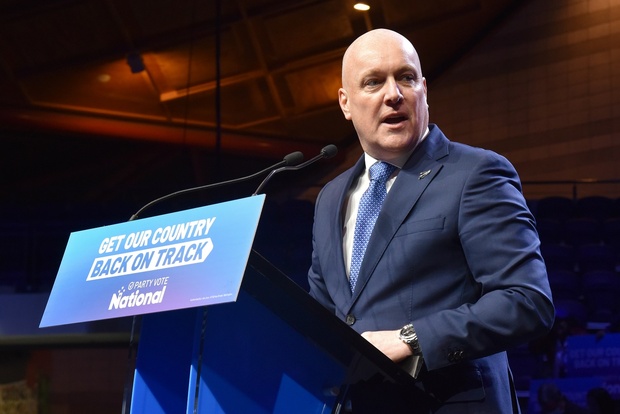
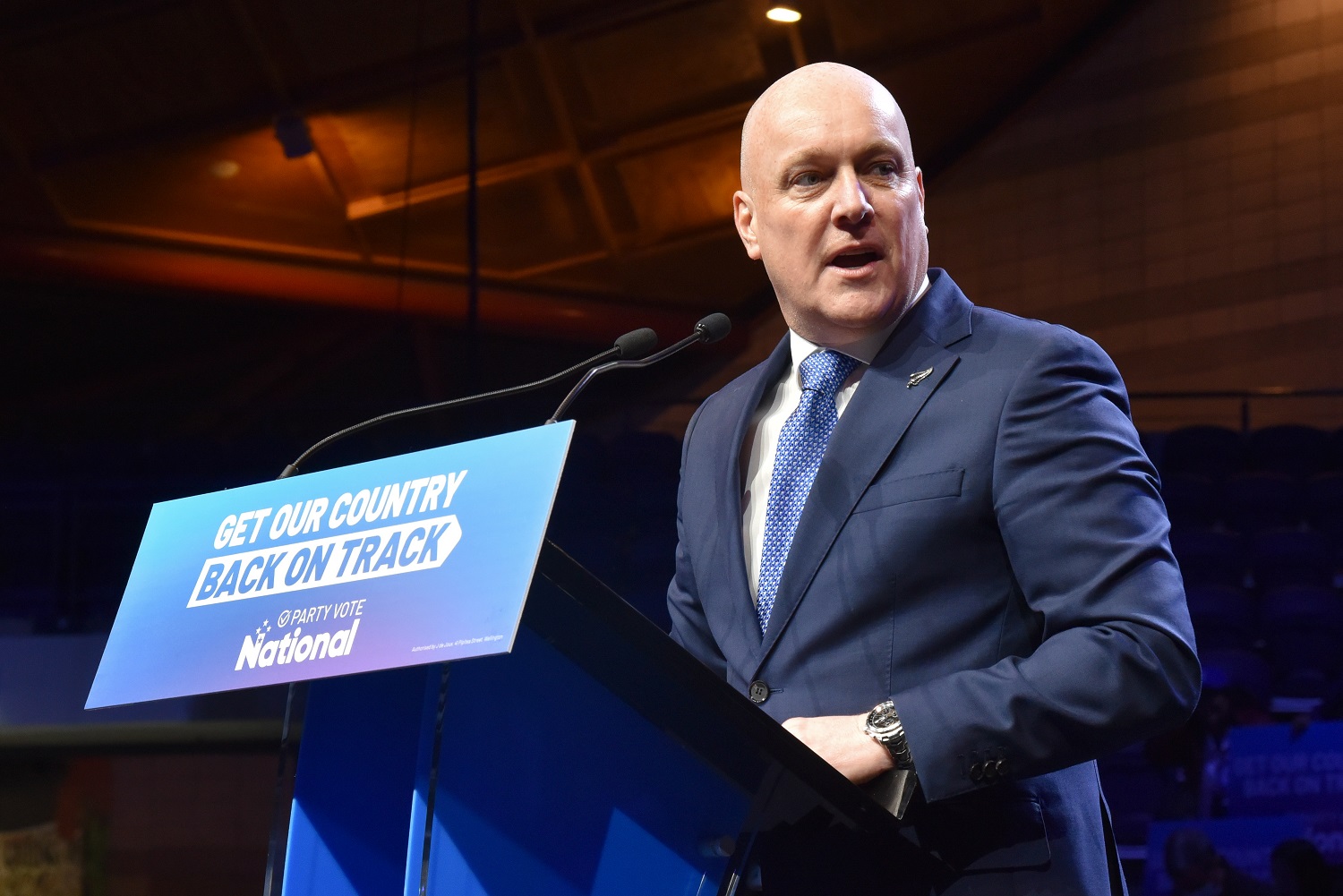
“We simply cannot accept the harm being done to a generation of New Zealand children,” Prime Minister Christopher Luxon said in a statement.
“One in three children aged between 13 and 17 are now spending at least five hours on social media a day.
“Social media is exposing them to harmful content, addictive technology and pressures they are not equipped to deal with and it’s affecting their family life, mental health, sleep, and education,” Luxon said.
It was not immediately clear if the bill would garner sufficient support to pass through Parliament, with one of Luxon’s coalition partners, the New Zealand First party, saying it wouldn’t support it.
“We have been concerned with the proposed legislation and the direction and slippery slope that legislation like this will inevitably take our country,” New Zealand First leader Winston Peters, who is also the country’s foreign minister, said in a post on X.
In December, Australia became the world’s first country to ban social media for children under 16, blocking them from platforms including TikTok, Alphabet’s YouTube and Meta’s Instagram and Facebook.
That legislation had been a “colossal failure” Peters said, adding that keeping children off social media should be the responsibility of parents.
“I won’t pretend that it will be simple or that it will be perfect,” Luxon said at an event.
“We won’t get every single child off social media. Some will always find ways around it, but frankly, it’s just way too important not to at least try.”
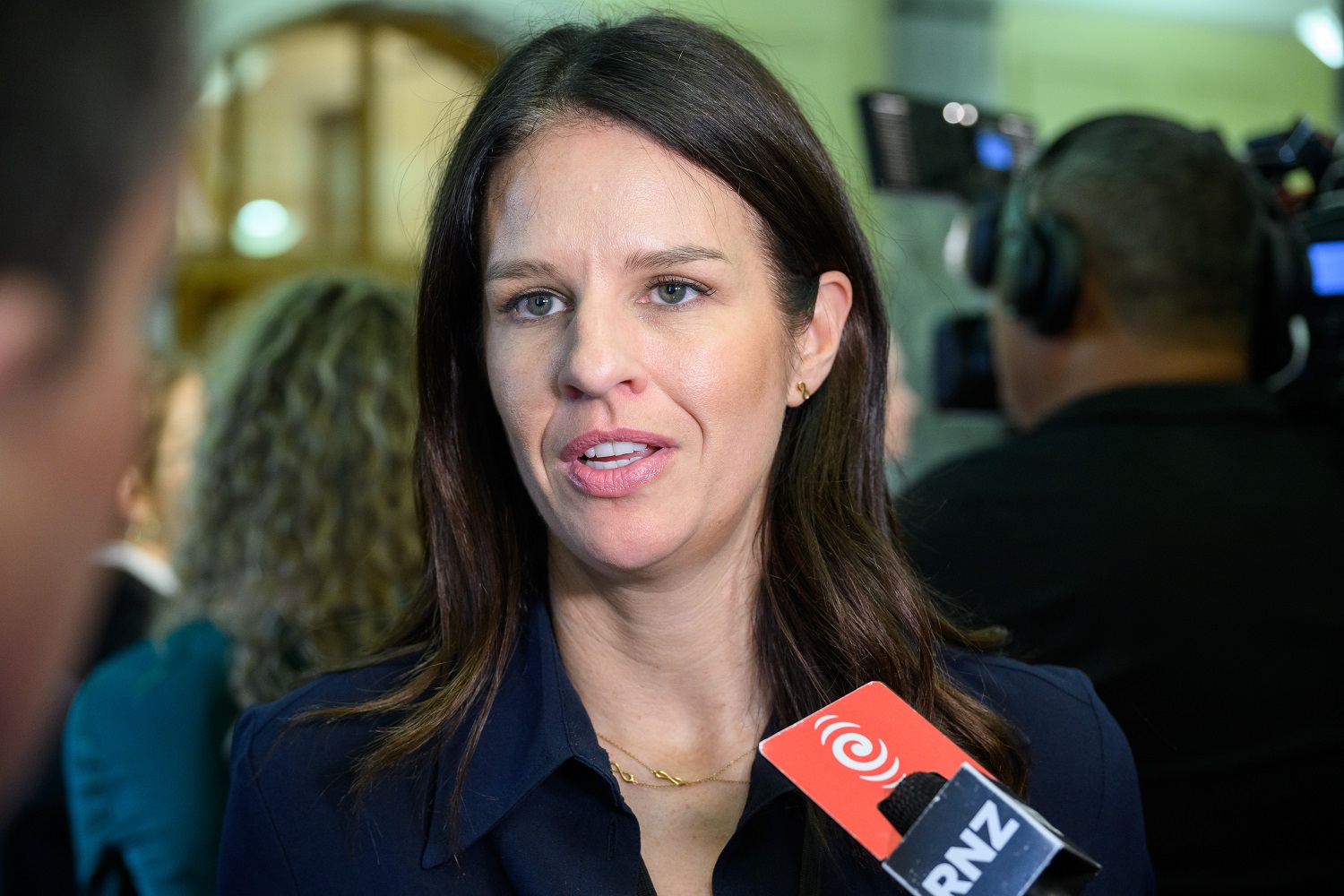
Education Minister Erica Stanford said the Bill creates an enduring framework that can evolve alongside technology and holds platforms responsible for understanding and reducing the risks they create for children.
The PM said it’s not just up to parents to keep kids safe.
“Obviously, parents have a role to play in monitoring what social media platform their children are on, but so do social media companies,” he said today.
“We have protections to keep children safe in the real world and we need them in the virtual world, too.”
The Online Safety (Minimum Age and Child Safety Risk Assessment) Bill will:
- Require high risk social media platforms – like Instagram, TikTok, Snapchat and Facebook – to take reasonable steps to check users are over the age of 16 by using a number of methods including; using existing account information, facial age estimation, digital ID services and formal ID.
- Require platforms used by children to regularly assess the risks they pose and report on how those risks are being identified and reduced.
- Introduce significant penalties for companies that fail to meet their obligations – up to 10 per cent of a platform’s global revenue.
- Bring emerging technologies, including AI companion platforms, within the regulatory framework.
- Establish an online safety regulator within the Department of Internal Affairs to independently monitor compliance, investigate platforms and enforce the law.
Education Minister Erica Stanford said the Bill brings New Zealand into line with other countries around the world.
“It places legal obligations on platforms. No penalties are proposed for children, their parents or caregivers,” Stanford said.
“It doesn’t just introduce a minimum age requirement. It creates an enduring framework that can evolve alongside technology and holds platforms responsible for understanding and reducing the risks they create for children.”
In addition to the protections introduced with the Bill, the Government said it will “work to strengthen education and public awareness, so parents, schools and communities have the information and tools they need to help children navigate the online world safely”.
Luxon said he knows it’s not possible to get every single child off social media, but early evidence from Australia shows minimum age requirements are already changing behaviour.
“This is about making a meaningful difference now and changing the norm for future generations,” he said.
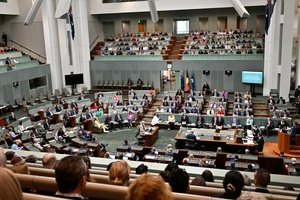
The Online Safety (Minimum Age and Child Safety Risk Assessment) Bill was introduced to the NZ Parliament today.
(with AAP)