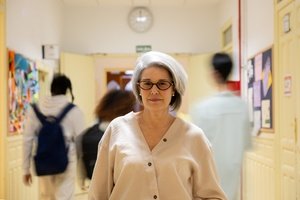


QUT’s Dr Anna Hogan has led a study investigating how the issue of teacher workload has come to be framed as a policy problem, finding a narrow and misguided understanding of educators’ work has prevailed.
The growing complexity and intensity of teachers’ work in schools is very difficult to nail down and quantify, the associate professor says.
And simply looking at the hours teachers are putting in each week doesn’t give an accurate picture of what’s playing out for the profession, the former secondary teacher adds.
“It’s a really challenging conversation, because the public still see teachers as largely that profession that works nine till three, has a lot of flexibility, gets 10 weeks’ holiday a year.
“And I think when we talk about the hours that teachers work, it’s really hard for people to understand why that’s a problem…
“It’s really hard to measure and get people to understand what we mean by the intensity of teachers’ work, and the kind of subjective experience of how those hours are experienced.”
What the general public might also fail to grasp is that teachers are now completing their most cognitively demanding work outside of school hours when they can be free from disturbance, and this includes during term breaks, Hogan flags.
Admin cascades
Just one small disruption, such as a minor behaviour incident in the classroom, can trigger a workload cascade for teachers, she says.
“… their morning tea or lunch break might roll around and they’re having to enter that behaviour incident into the student management system.
“They then have to notify the appropriate superiors that are in your school … you then have to contact the parents – and they might reply and you have to re-upload that.”
Many teachers that Hogan has spoken to say they don’t take lunch breaks at all.
“They might [report the behaviour incident] and then they have to rush out to playground duty. They don’t have time to eat.
“They say that they’re trying to limit their water intake, simply because they don’t know when they’re going to be able to get to the bathroom throughout the day,” she adds.
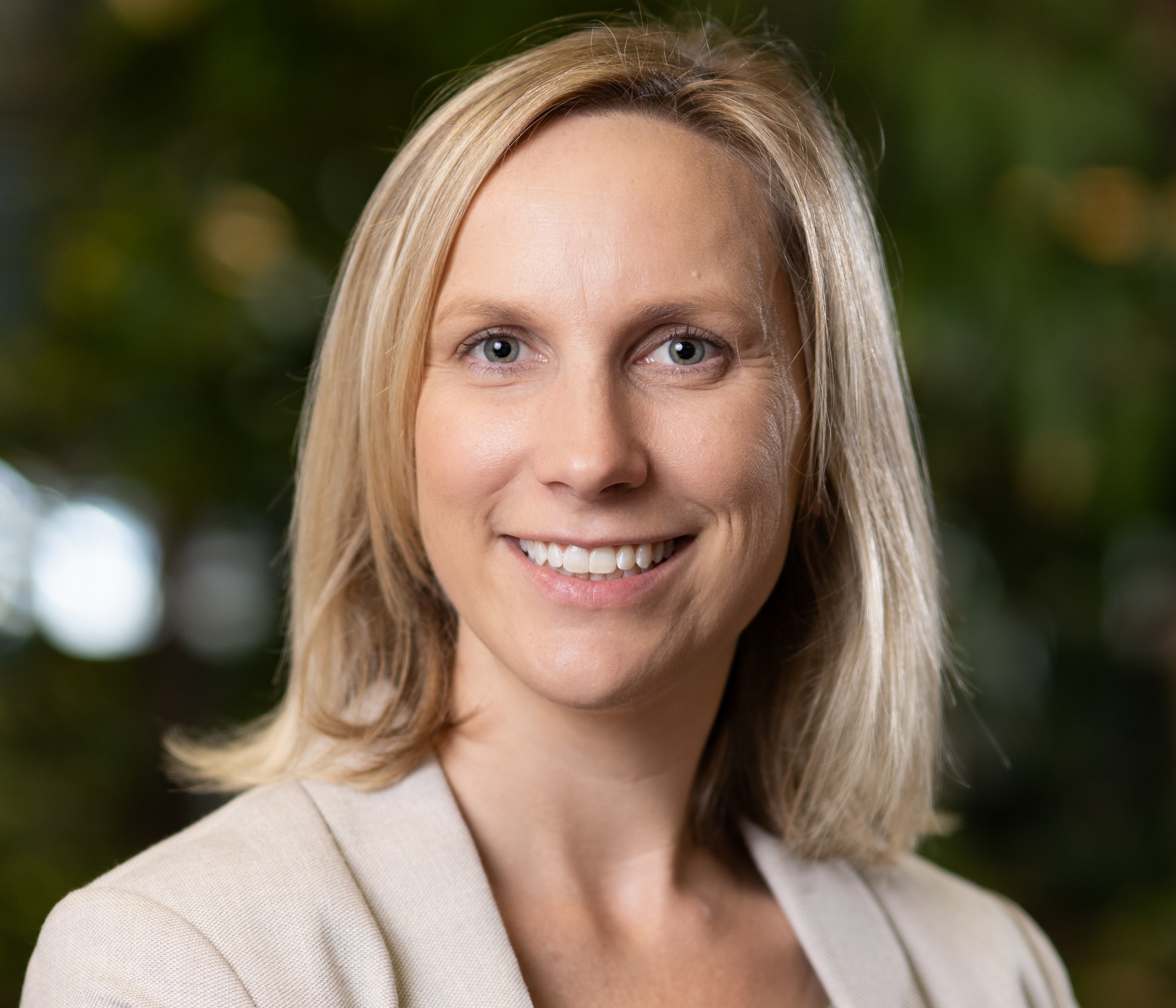
In Dr Anna Hogan’s view, working out ways to staff schools so they can run as welfare hubs should be a policy priority.
Workload more than ‘hours on’
The study reviewed teacher surveys from the 1960s through to 2023 to see how the issue of workload has been framed.
In what might seem inconceivable to those experiencing the burnout, emotional stress and time poverty impacting the profession today, Hogan found that workload hasn’t always been seen as a huge problem and a key driver of attrition.
In fact, it wasn’t until around 2007 – when ACER’s Staff in Australia’s Schools survey first brought in questions that quantified workload as a measurable variable – that it registered as an issue in need of policy action.
Crucially, this survey asked teachers to note how many hours they spent on all school-related activities each week, including work days, evenings and weekends.
This was a pivotal development, Hogan indicates.
“We’re not suggesting that workload isn’t a problem, but if we frame it as the only problem, then we start to miss some of the key concerns that teachers are having.
“If you frame every problem as ‘the hours worked’, then the solutions are always going to [follow] a time-dividend approach.”
The off-the-mark policies and initiatives claiming to tackle the teacher workload crisis at the moment are case in point, Hogan argues.
“[Approaches like] ‘we’ll try and take an hour off teachers’ curriculum planning time by giving them AI tools or banks of resources that they can quickly access’.
“Our argument is that [these are] unlikely to solve the teacher attrition crisis, because that’s not really solving the problems of the intensity of their work, their emotional labour, their burnout, all those things that we know that teachers are suffering from so much.”
Staff schools as welfare hubs
Hogan says the reality is that better solutions are “complex and really expensive”.
“To actually intervene into student behaviour, into the really incredible welfare work that schools are now required to do, is actually really complex,” she explains.
But action on this front would actually address the real pressures baked into the structure of the school day, the research suggests.
In Hogan’s view, working out ways to staff schools so they can run as welfare hubs should be a policy priority.
“How do we actually get allied health support into our schools to take off some of this responsibility from teachers who aren’t trained or supported to do this work, but are carrying this load, which is kind of impossible to switch off from at the end of the day?
“They keep thinking about those students with particular issues, whether they’re safe tonight, whether they’re fed…
“Teachers really do care and, you know, quite often love their students – it’s such an emotionally complex job to have.”
In 2023, a controversial ‘call to action’ from University of Melbourne’s Professor Pasi Sahlberg and Professor Sharon Goldfeld, a paediatrician at the Royal Children’s Hospital, called for schools to be completely reconfigured so that children’s health and wellbeing outcomes were given equal footing to academic skills such as literacy and numeracy.
The proposal advocated for schools to function as ‘multi-opportunity communities’ or community hubs designed to optimise ‘whole child development’ that set students up for lifelong success.
The call attracted criticism at the time, including from the UK’s ‘Behaviour Tsar’ Tom Bennett, (the British Government’s chief behaviour advisor said at the time) who posted on X:
“Fascinating position paper that suggests the way for Australia to raise standards in education is by doubling down on the whole 21st century learner malarkey that is currently burying standards across the world. Interesting.”
Bring nuance to workload data
Hogan says it’s time different, more nuanced questions were put into workforce surveys around workload.
“It’s just understanding this idea that if we’re going to frame the problem as ‘hours worked’, we can’t just understand [it as that alone].
“We also have to get inside the intensity of how teachers experience their days.”