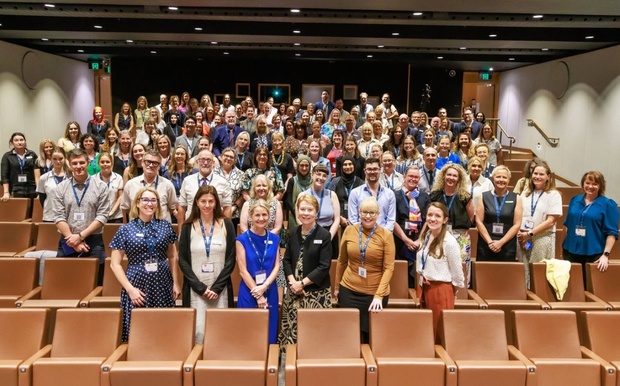
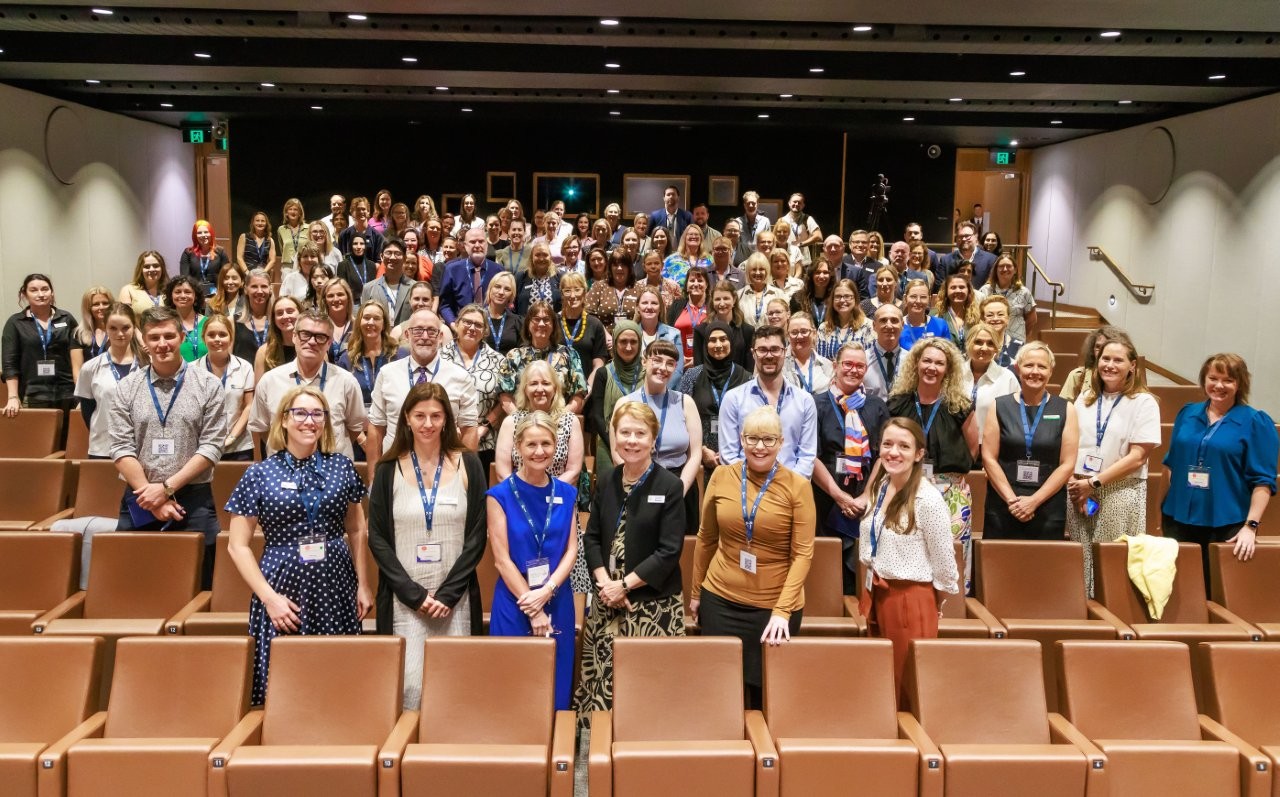
Hosted by Mr Greg Warren MP, Parliamentary Secretary for Education and Early Learning, the Community of Practice event, titled Inclusion through Collaboration, brought together more than 130 school leaders, teachers, researchers and policymakers from across the state’s public, Catholic, independent and university sectors.
Organised by Aspect (Autism Spectrum Australia), the nation’s largest provider of autism-specific schools, it was a rare opportunity for educators from every system to work side by side with the shared goal of strengthening inclusive practice for autistic students.
Kate Washington, NSW Minister for Disability Inclusion, said the initiative is exciting and aims to improve educational experiences and outcomes for autistic students, wherever they go to school.
“It’s wonderful to see collaboration across the education sector to create inclusive schools where autistic students can realise their enormous potential,” Washington said.
Aspect’s Community of Practice will act as a collaborative network where educators and professionals share knowledge, exchange best practice and explore new ways to build teacher capability.
The initiative aims to ensure that inclusive education is embedded in every classroom and breaks down the borders between schools, opening up new opportunities for sharing and learning together to benefit all students.
Maryanne Gosling, Aspect’s National Director of Education, said her organisation has seen across 60 years, the difference collaboration and shared knowledge can make.
“Too often, educators work in silos,” Gosling said.
“Our new initiative aims to bring people together, from schools and sectors, to strengthen inclusive practice, build teacher confidence and ensure every Autistic student has the opportunity to thrive.
“Beyond the launch at Parliament House we are focused on establishing smaller Communities of Practice across NSW that will give teachers and school leaders regular opportunities to share solutions, reflect on challenges and build a stronger culture of inclusion together.”
The launch comes at a critical time as governments and school systems respond to the recommendations of the Disability Royal Commission and prepare to implement the National Autism Strategy.
Both have called for urgent action to improve access and equity for Autistic students, most of whom are educated in mainstream schools.
With autism now diagnosed in an estimated one in every 40 Australians, the urgency to embed inclusive education across all schools has never been greater.
Eliza Tait is deputy premier of the NSW Youth Parliament and was a keynote speaker at the event.
At just 18, Tait has become a strong advocate for disability reform, co-authoring the Needs Based Transition Program Bill and contributing to the NSW Parliamentary Inquiry into foundational supports.
Drawing on her lived experience, she spoke about the importance of ensuring Autistic students feel safe, included and supported to succeed.
Fellow keynote speaker Dr Ben Bailey, a lecturer at the University of Newcastle and practising speech pathologist, highlighted the latest evidence on effective literacy instruction and discussed how schools and students can work together to turn research into real classroom impact.
The program also featured principals from mainstream and independent schools, along with a parent of two Autistic boys who shared their powerful story.
NSW MP Greg Warren said the State Government welcomed the initiative and recognised its importance.
“Inclusive education is not the responsibility of one school system or sector but something we must achieve together,” Warren said.
“Aspect’s Community of Practice will ensure that best practice is shared across all corners of the education system, so that every child can benefit.”
Aspect operates 10 autism-specific schools and 113 satellite classes across NSW and South Australia.
Through the Aspect Research Centre for Autism Practice (ARCAP), it champions evidence-based approaches that improve outcomes for students.
The Community of Practice builds on this work by helping teachers turn research into practical strategies they can use in their own classrooms.
“This initiative is about creating sustainable change and laying the foundations for a future where inclusive classrooms are the reality for every student,” Gosling said.