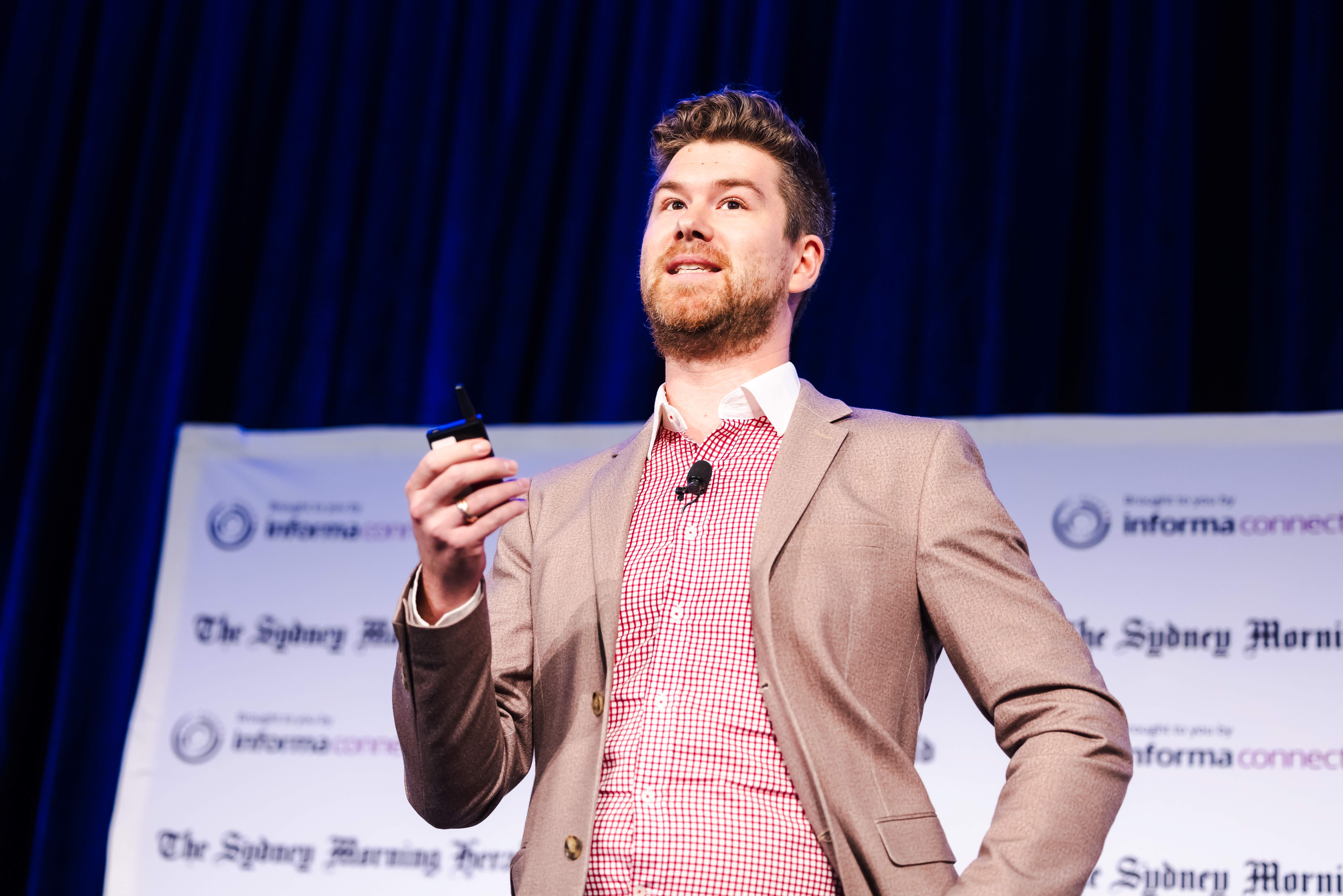
Former primary teacher Dr Nathaniel Swain has crunched down the vast literature on the science of learning to write a ‘how-to-guide’ for those educators keen to lead and maintain an improvement journey that’s rooted in the science of learning.
His book, aptly titled ‘Harnessing the Science of Learning’ offers a ‘distillation of key understandings’ within teaching, literacy, maths and curriculum implementation, giving cognitive science a practical application – and with plenty of Australian school case studies to light the way.
Swain says that there are simply some practices that are more reliable and more likely to have a positive impact on learning.
Debates about explicit teaching stripping teachers of the art and craft of the profession are misguided, he suggests.
“I think the debate comes down to some people think that you don’t need to have certain techniques, or the idea of becoming a technocratic or technique-focused profession is a negative one because it takes away from the art.
“Whereas I think most professions will acknowledge that there are certain practices, certain skills, certain techniques that are non-negotiable in order to become artistic,” Swain tells EducationHQ.
“If you think about sporting fields, if you think about music and dance for example, you need to have strong technique to understand those foundations and those basics in order to then progress into a stage where you might be completely artful and completely original and creative in your craft.”
Teachers’ autonomy shines through in the way that these practices and techniques are applied in the classroom, Swain argues.
“And people do this in a unique and unpredictable and beautiful ways, every single day.”
Swain believes that many teachers have yet to be given access to the ‘decision-making power’ that the science of learning affords.
“We can become a much more effective – but also artful – profession if we actually admit to ourselves that there are some things that all teachers need to know how to do and need to be good at or need to get good at in their practice … so that they can become the most effective, creative and critical educator possible.”
As school systems across the country shift teachers’ practice to align with evidence-based practice and the science behind how we learn best, Swain says we’re now at a point where important terms, like the science of learning, are at risk of becoming an empty label that’s splashed about.
“[One that] people will put on their work to say, ‘look, here’s how I aligned with the latest thing’.
“I think we’re at a stage now where that term is at risk of becoming a buzzword, which is annoying because it’s on the front of my book. But it is also a term that’s a little bit divisive,” Swain says.
When it comes to the thorny process of implementation, the expert says he’s seen some common issues emerge as schools work to bring in evidence-aligned practices across the board.
“If they do take a deep dive into the research on effective teaching and on how learning happens, and particularly looking at those models that might have been neglected in previous eras around cognitive load theory, but also around retrieval practice and the importance of making the curriculum really coherent and ideally knowledge-rich, because there is so much work to do, schools might find themselves dabbling in some of these active ingredients, but not addressing some of the underlying progress blockers that might be there within their context,” he warns.
And when consultants and the like start pushing an agenda that uses the science of learning without fidelity, school leaders ought to be wary of the fact that they might not be getting “the whole picture of what great practice might look like in different schools”, Swain warns.
“It’s important to know that it’s not going to look the same in every school.
“Each school will have different peculiarities or different contextual factors that they have to take into account about what makes sense in terms of their implementation and their way of going about school improvement,” he adds.
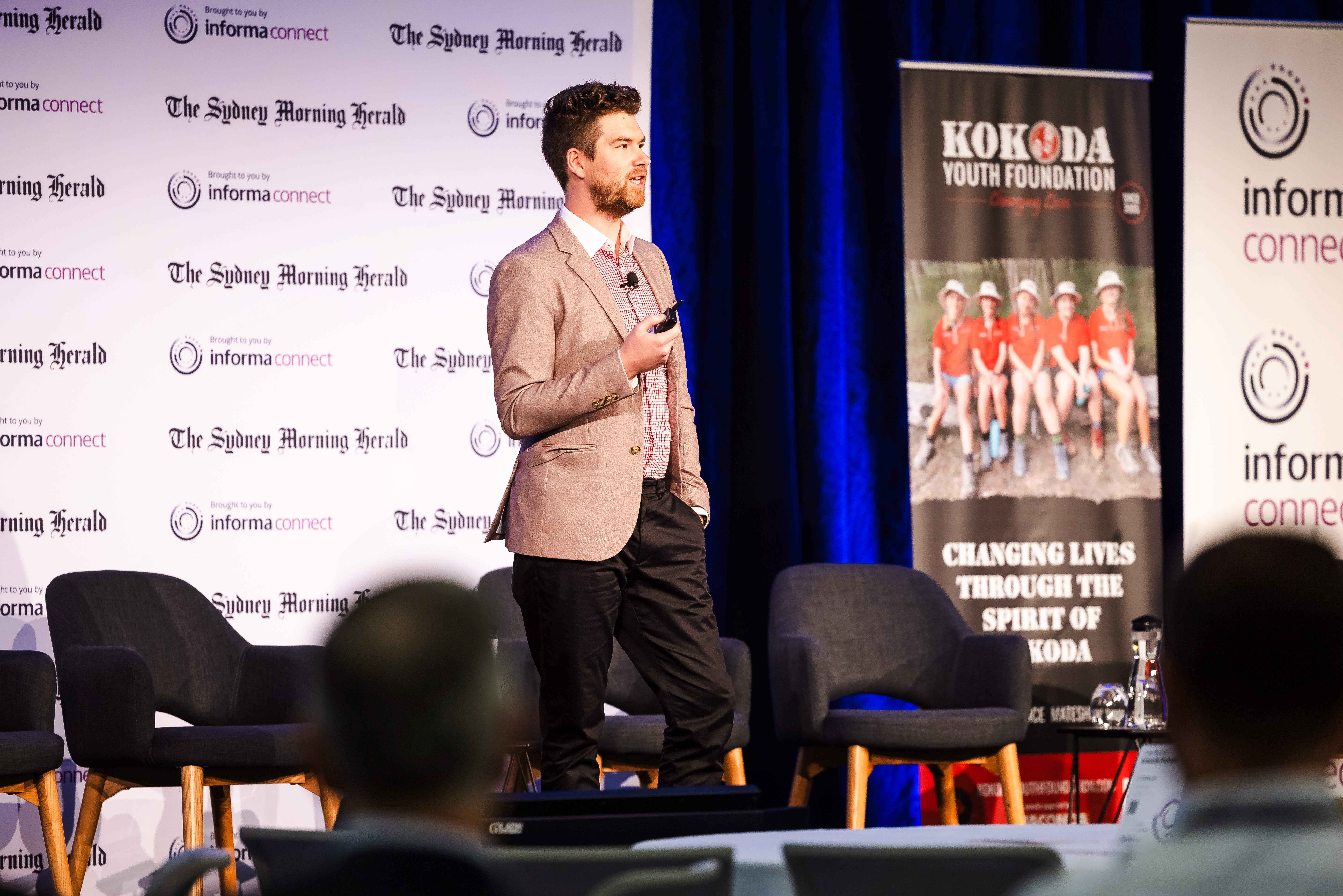
Teachers’ autonomy shines through in the way that these practices and techniques are applied in the classroom, Swain argues.
The case study schools in Swain’s book fall into either of two camps. They were either coming from a place of “relative mediocrity” or in a “pretty dire situation” before they took action, he reflects.
Either way these schools were not meeting their students’ needs before embracing the science of learning – change was critical, Swain suggests.
Riverwood Public School in Sydney’s south western suburbs, for example, was firmly in the first category, he adds.
“They were a school where the principal and the principal team were up against a lot of challenges, and are still serving a community that has been historically marginalised and experiencing a lot of difficulty with education.”
Before their improvement agenda, school leaders would be spending their time dealing with student wellbeing and behaviour issues and “literally chasing students around the school to get them back into class”, Swain says.
But a deep dive into explicit instruction in maths and English gave teachers the chance to establish far more optimal learning environments.
“So that if nothing else, [teachers would give students] a proper introduction to these important skills, because they had kids graduating from their school without key literacy skills, not being able to read and write or do maths effectively – there were far too many of those students leaving at different stages or at the end of Year 6 with the same level of need,” Swain says.
Now, with the right systems and processes in place to ensure that ‘every instructional minute counts’, students and teachers are thriving.
“…students feel like the school is a place for them, and they feel safe because they’ve been able to ensure that there isn’t wasted time on things that don’t make a difference.
“And then there is a really warm and nurturing but also challenging environment for kids to work in,” Swain explains.
Key to this is a big focus on routines and ‘positive behaviours’ for learning, coupled with a targeted phonics program that has meant the early foundations of reading are locked in – skills that “carry through into spelling, writing and reading comprehension as well”, the expert says.
Maths teaching at Riverwood has also undergone an overhaul, Swain reports. While before students were grouped and rotated through various activities, now high-impact, whole-class instruction is where it’s at.
“And then interventions [are] included for those students that need it according to the multitiered systems of support,” Swain says.
As with any school that has undertaken an improvement agenda along similar lines, Riverwood dialled into the core levers that make a huge impact, the expert notes.
“Some of those big ones that I’ve been talking to schools about are around routines and engagement norms, so helping create a really engaging environment that makes it easy for students to pay attention and to focus, really effective practices around checking for understanding,
“So not just teaching a lesson and hoping for the best, but ensuring that students learn as the teaching is happening and that the teachers can see in real time whether it is happening or not and make adjustments,” Swain says.
Nailing the foundations should be at the heart of everything, he adds.
“And then also improving the quality of their program so that they’re more effective, they have these active ingredients around the basics and foundations of maths before they move on to the more complex processes.
“Or, with the teaching of reading and spelling, ensuring that those foundations are really strong and secure and that they can then be built upon to [cover] all the other parts of the curriculum.”