As part of new initiative Aviators in Schools, students have been hearing first-hand from a former aerospace engineer who was directly involved in investigating the 2014 shooting down of Malaysian Airlines Flight 17 (MH17) by Russian forces over eastern Ukraine.
The new nationwide initiative from Australia’s national science agency connects teachers with aviation and aerospace professionals to bring relatable examples into classroom learning and inspire the next generation of industry talent, at a time where advanced technologies are unlocking new opportunities in the aviation sector.
The professionals are linked through flexible industry partnerships that can include mentoring, career talks, site visits, hands-on demonstrations and co-developed projects aligned with curriculum goals, helping students see how STEM connects to actual careers.
“It really depends on the students’ interests,” Jay Chew, STEM leader at Timbarra in Melbourne’s south east, says.
“In our case, our professional came in and presented a workshop for our Year 7s about the things that he does, or has done in the last 20 years of his career, and really engaged students in that.
“We were already delivering a quite unique Year 9 forensic subject, just looking at different crime scenes and evidence of what a forensic scientist would look for, and he also presented for that group, and came in from the perspective of looking at an investigation.
“He spoke about a couple of incidents, including the Malaysian airline crash, he was involved in that, and students got to ask him questions, and that became very much of interest for students, because I wouldn’t have been able to answer their questions.”
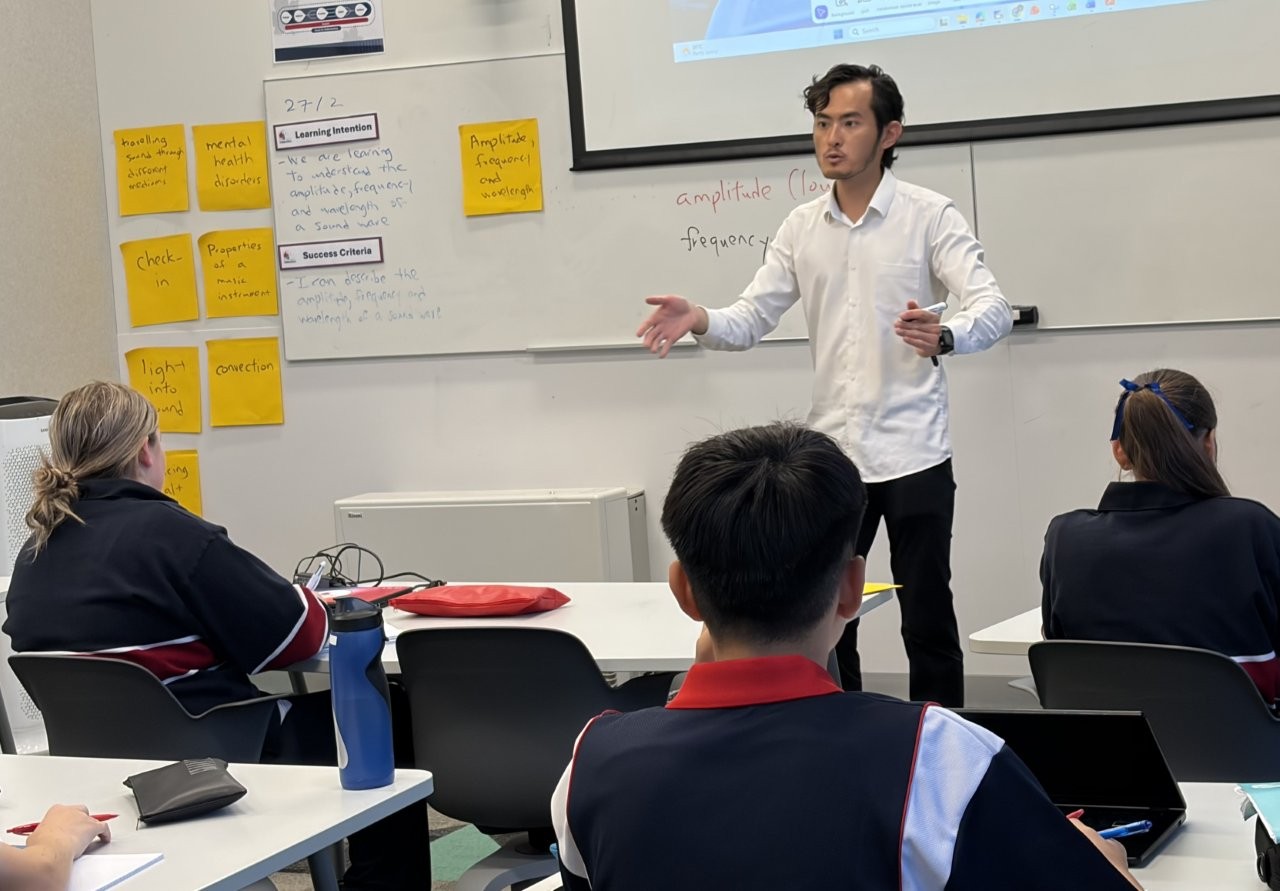
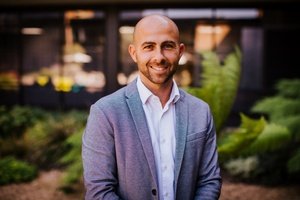
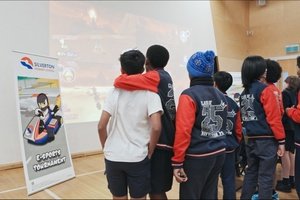
Building capability and broadening access to future career pathways is a work in progress at Timbarra School P-9 and STEM expert Jay Chew, pictured above, is always looking to build on that.
Director of Education and Outreach at CSIRO, Ruth Carr, says Timbarra’s experience typifies the initiative’s aims to make STEM learning more relevant for students.
“STEM education is critical to Australia’s long-term success and to improving employment opportunities for young people,” she says.
“It provides students with the skills and confidence to explore a wide range of career options and contribute to the industries shaping our future.”
Chief Executive of Aviation/Aerospace Australia, Anntonette Dailey, says the program addresses known barriers to participation.
“Evidence consistently shows that when we have a diverse workforce, we bring in new perspectives, make stronger decisions, and create the kind of collaborative energy that drives real creativity and innovation,” Dailey says.
“We know that a lack of access to relevant role models and mentors, as well as awareness about the opportunities available – especially in non-traditional roles such as engineering and technical jobs – continue to present a significant barrier to participation.
“We are proud to partner with CSIRO to address these gaps and attract new talent, particularly women, to the industry,” Dailey says.
Timbarra head-hunted Chew 13 months ago, keen for a specialist STEM educator to revamp its existing STEM Academy program.
“I was previously a Select Entry for Enrichment and Knowledge (SEEK) coordinator, so I’ve done a lot of work with students of higher needs or high abilities and Timbarra wanted to change the program that they have.
“While it has long been very strong and a lot of our programs really cater for students’ needs, last year, we found that by bringing in an expert, it really changes the dynamic of what students see, not just from the teacher’s perspective, but [by offering] a different point of view.”
Chew says their guest presenter visited the school once a term last year and also worked outside of the aviation program as part of the STEM Professionals in Schools program with the Year 7 STEM Academy class.
“We had a two-period class that included a Q&A session, for example, and the students ended up asking questions for an entire hour.
“It was just amazing to see. You could see the inspiration coming from him to the students and students starting to think about what they want to do in their career.”
Building capability and broadening access to future career pathways is a work in progress at the school and Chew is always looking to build on that.
“Outside of this program, I went to a space conference last year in September and I got to meet real life astronauts,” he says.
“I came back and was telling students about my experience.
“I showed them a photo of me with the astronauts. That was very inspiring for them. And we are trying to do more of that with our students at school.
Steevi-Anne Flack, a teacher at Findon Primary School in Victoria credited her paired professional, an aeronautical engineer, for helping the school shape its new STEM program.
“STEM was a new initiative in our school, and our vision wasn’t clear on where we wanted to take it.
“This collaboration brought fresh ideas and helped us see exciting possibilities,” Flack says.
“Students were engaged in the lessons and experiments, and it was fascinating for them to see real-world connections, especially when activities like making lava lamps linked to aerospace engineering.”
Aviators in Schools is free for registered teachers in Australian primary and secondary schools and is welcoming applications from teachers and STEM professionals with experience in aviation, aerospace or related fields. Click here for more information.