The finding comes as two secondary teachers from Melbourne report being so stressed about work after hours that they struggle to go to sleep and routinely wake at 3am mentally calculating how the next day will unfold.
One teacher said students contact her via Microsoft Teams with questions about personal problems and their schoolwork well into the night.
The learning support coordinator from a private school told EducationHQ that she was ‘absolutely shattered’ during the week due to a disrupted sleep schedule and that it was only on weekends and over the school holidays that she was able to get an adequate amount of shut eye.
“At night you’re visualising the day ahead, the week ahead – ‘how many meetings do I have?’ You're juggling so many balls that you just worry that you may have missed something.
“As always, students are on Teams messaging me, I probably respond untill about 8.30pm and after that I'll respond the next day, but we have students contacting us constantly,” the teacher says.
A recent study investigating the sleep health of Australian teachers has unearthed some telling findings.
Led by sleep and nutrition scientist Dr Charlotte Gupta from Central Queensland University, researchers canvassed the sleeping habits of 775 teachers, finding 59 per cent reported getting less than 7 hours of sleep per night.
Some 79 per cent reported their sleep quality was poor and stressful periods during the school year worsened the situation.
During report writing periods, for example, some 35 per cent of teachers said they were getting less than 5 hours of sleep per night.
One teacher says she regularly dreams about being in the classroom and conjures work-related problems in her sleep.
“I think the worst thing is when you finally go to sleep and you're teaching classes or solving problems and then you wake up and it hasn't happened yet,” she tells EducationHQ.
“You're teaching in your dreams, and then you wake up and you think, ‘oh my god, now I have to really go and do it - I've already done it in my dreams and now I'm doing it in my real life’.”
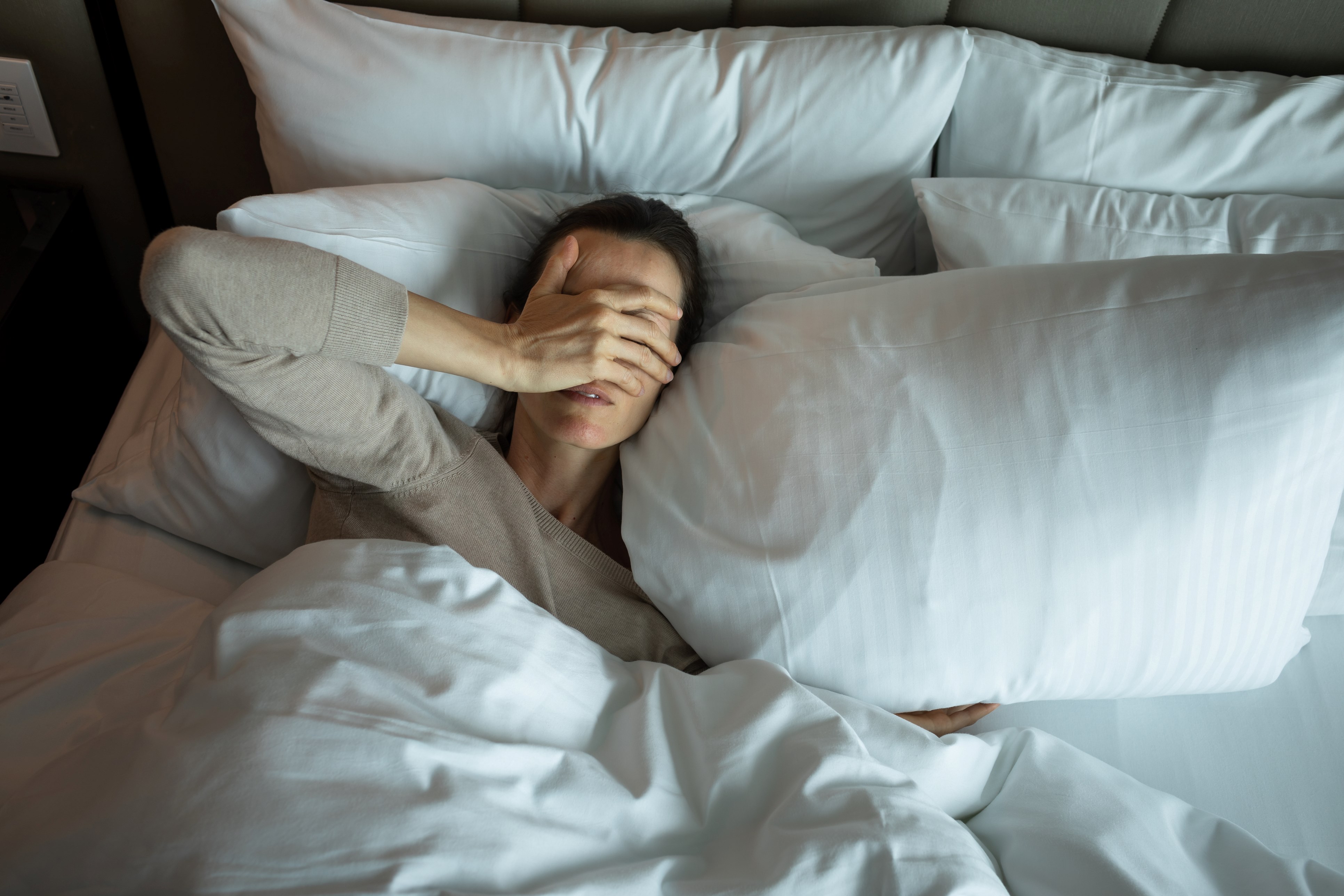
There’s a significant number of teachers who are taking melatonin or other sleeping aids to cope, two teachers report.
Multiple studies in cross-cultural contexts have found that teachers sleep less than the recommended 7 hours for adults, and frequently report sleep-related complaints such as drowsiness and insomnia.
Stress is a major individual factor influencing teachers’ sleep.
“There is a bi-directional relationship between stress and sleep, with high stress associated with poorer sleep, and poorer sleep contributing to higher stress level,” researchers flag.
It’s something of a vicious cycle, the learning support coordinator says, noting the nature of her role brings on acute overwhelm and emotional fatigue that somewhat ironically makes it harder to sleep well.
There’s an endless mental checklist that plays over and over once the school day ends and it’s extremely difficult to switch off, she adds.
“It's the cognitive overload, and the juggling of so many things – it's not just the students, it’s the families, the curriculum delivery, it's absolutely everything else – wondering about the welfare of the students, those engaging in high-risk behaviour, the admin demands…
“You’re always problem solving and trying to keep your head above water – I mean, it’s not exactly conducive to a good night’s sleep.”
There’s a significant number of teachers who are taking melatonin supplements or relying on other sleeping aids to cope, the two say.
“But also the kids are on this. The kids will tell you they're on melatonin. It’s huge. It’s a big thing,” one says.
Gupta’s study found participant’s gender was the only predictor of poor sleep, with female teachers reporting significantly worse sleep quality.
Wider research has found female teachers report greater stress than male teachers and also must contend with a higher total life workload including work and domestic duties, the study flags.
Poor sleep amongst teachers may also be reflective of broader societal sleep problems.
Researchers suggest that sleep strategies and interventions designed for shiftworkers could be tested on a sample of teachers to evaluate their effectiveness.
“Other high-stress jobs in Australia with poor sleep quality (PSQI scores > 5)* include jobs that involve shiftwork,” the study states.
“While teaching may not involve the same degree of sleep/wake routine disruption as those working shiftwork … there may be similar factors between shiftwork and teaching during stressful school year milestones, including routine disruption (if teachers are doing work outside of regular school hours) and high workload.”
Teachers that had received education around sleep and its benefits from their employer reported better sleep quality than those who had not.
It may be that these schools provide staff with a more ‘health-promoting culture’, but still this was not enough to lead to adequate sleep, the study suggests.
“This is consistent with previous research that shows a discrepancy between knowledge about sleep and actual sleep, with awareness of sleep quality and sleep hygiene not predicting actual hours of sleep,” researchers say.
The study was undertaken during the first year of the COVID pandemic, which the authors note might have influenced the findings.
*Pittsburgh Sleep Quality Index (PSQI). The PSQI is a widely used and demonstrated test. The scale measures seven components of sleep that are thought to influence overall sleep quality, including subjective sleep quality, sleep latency, sleep disturbances, use of sleep medications, sleep efficiency, sleep duration and daytime dysfunction.