
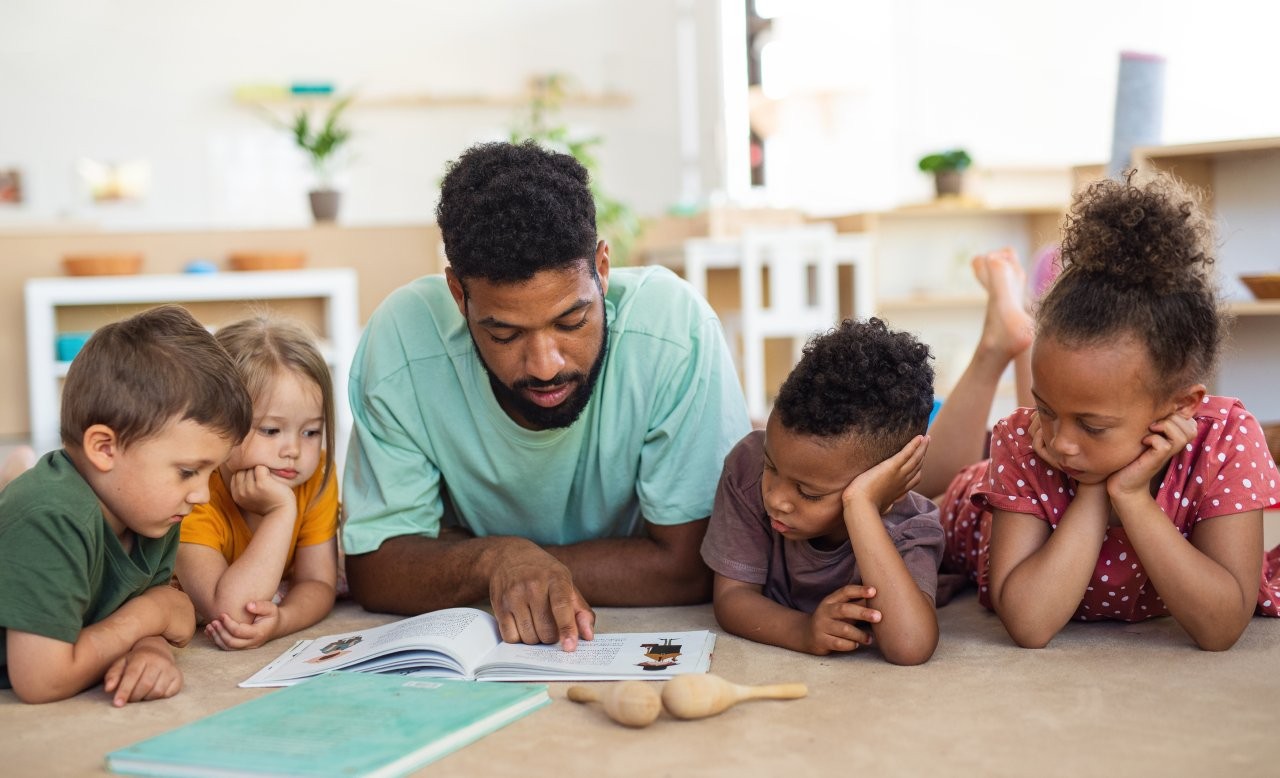
Men make up less than 4 per cent of early childhood educators, and stigma about their role with young children is keeping those numbers stubbornly low, academics from UniSA claim.
It’s “a dismal reality” they say, yet despite increasing awareness that both men and women should take on caring roles, most early learning centres and preschools do not have a male educator or teacher.
With the rollout of three-year-old preschool in South Australia, UniSA’s Dr Martyn Mills-Bayne says it’s time for better gender diversity in the early childhood education workforce.
“For too long, gender stereotypes have undermined early childhood education with entrenched perceptions of men not being built for, or good at, educating young children,” Mills-Bayne says.
“But children, particularly boys, need to see positive male role models in early learning environments, because if there’s a lack of men, this will shape the next generation’s gender attitudes.
Mills-Bayne, who before becoming an academic, taught in junior primary schools and preschools across Adelaide’s North and North-East suburbs, says an engaged, responsible male role model can make a profound difference in a child’s life – improving their mental health, confidence, as well as cognitive and social development.
“But you can’t be what you can’t see – and if we don’t normalise men in caring roles, we’re doing our children, and society, a real disservice,” he says.
With horrific allegations of child sexual abuse in childcare centres across Melbourne, scrutiny on male educators is more acute than ever.
“We know that many men avoid early childhood careers because of fears and stereotypes about being judged in child safety contexts,” Mills-Bayne explains.
“Child safety is non-negotiable for every educator, so the real risk is letting outdated stereotypes block men from teaching young children.
“A more gender-diverse workforce will strengthen safety, because diverse perspectives improve workplace culture, vigilance, and accountability.
“And when male and female educators work together, they model respectful, safe interactions and reinforce best practice.”
ACARA statistics from 2024 show that male teachers make up a relatively small portion of Australia’s primary school workforce, with women accounting for approximately 82.4 per cent of full-time equivalent teachers in this level of schooling, indicating men comprise about 17.6 per cent of primary school teaching staff.
Australian Education Union president Correna Haythorpe said recently that her union supported scholarships, placements and development opportunities for “all aspiring teachers”.
“We have a teacher shortage crisis and fixing the underlying issues in the profession is the best way to improve diversity and bring more men, and more people generally, into teaching,” Haythorpe told ABC News.
“Reducing excessive workloads, ensuring competitive pay and conditions, providing high-quality professional development, and guaranteeing appropriate mentoring and career support are some of the changes that will encourage more people – including men – to consider teaching as a long-term career.”
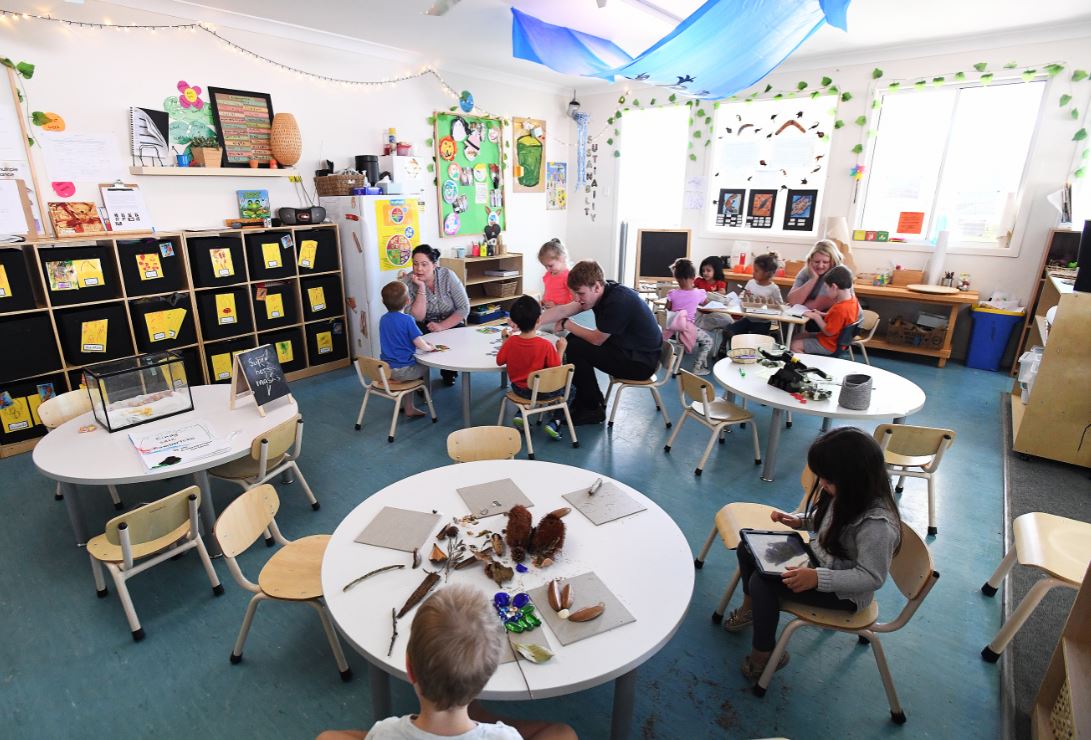
If we don’t start targeting men for teaching careers, they could disappear from the profession, and all children will miss out on the chance to learn from diverse role models, Mills-Bayne suggests.
Mills-Bayne says that a radical change is needed to realise any significant increase in the number of men in the workforce.
“We must advocate and actively promote the positive impact of male educators,” he says.
“Governments should fund and support a targeted workforce campaign explicitly encouraging men to choose early childhood education and teaching as an exciting and rewarding career – both for boys beyond school, and men looking to change careers.
“This is critical to address teacher shortages and has long been the missing piece to building a thriving and gender diverse early childhood education workforce.”
Actively increasing male early childhood teachers and educators, Mills-Bayne suggests, will help strengthen the cycle of positive male identities and significantly impact on the negative effects of the culture of toxic masculinity.
“If we don’t start targeting men for teaching careers, male educators could disappear from the profession, and all children will miss out on the chance to learn from diverse role models.”
Mills-Bayne says we all have a responsibility to champion male educators who are making a difference, and inspiring others to enter the field.
“This World Teacher’s Day (celebrated in Australia on Friday, October 7) we’re asking everyone to step up and share their positive experiences of male teachers and how these incredible people have made a real difference in their or their children’s lives.
“Teachers don’t just shape children, they help shape families and communities.
“It’s time we celebrated and supported the men making a difference in early education.”