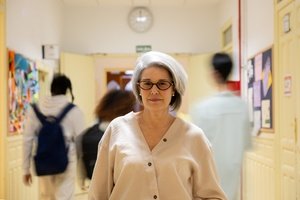
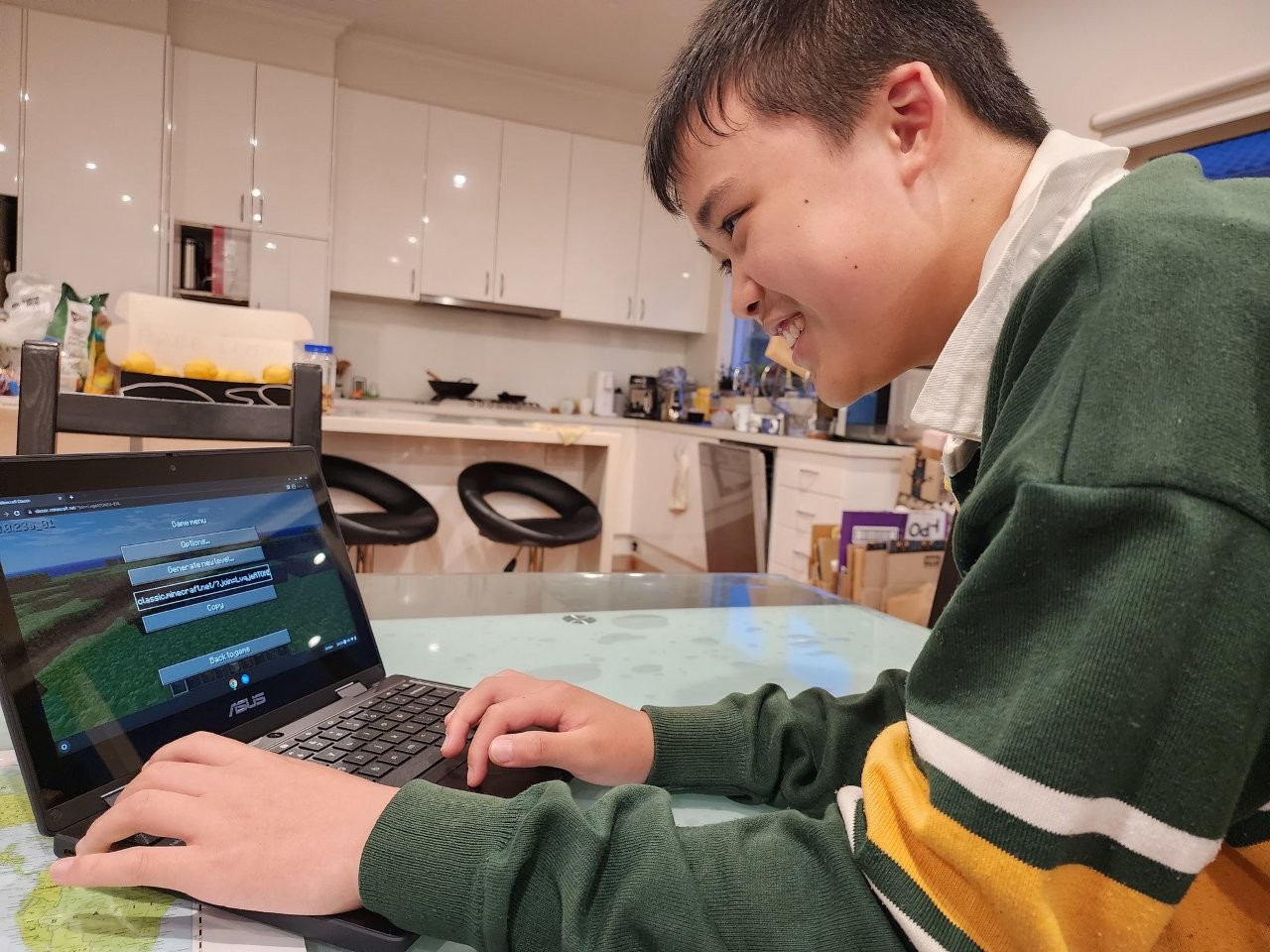
Author and UniSA researcher Dr Vincenza (Enza) Tudini, says with adequate support to explore the software themselves, educators can harness Minecraft Education Edition to be a powerful tool for learning, creativity and social progression.
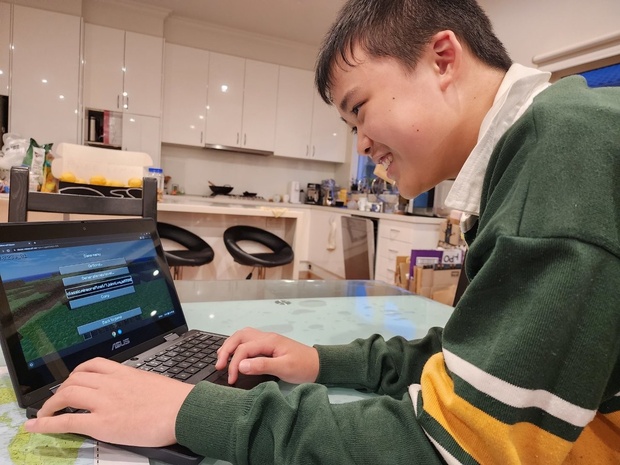
In her new book Children’s online learning and interaction, Tudini’s research has found that when children engage in collaborative Minecraft play, they foster teamwork, communication, and social skills as players exchange ideas and problem-solve in real-time.
She says that unlike traditional video games that tend to focus on competition and scoring points, Minecraft is an open-ended experience that encourages children to build, explore, and interact, with players often working together to achieve common goals.
“Minecraft is far more than just a digital pastime; it’s a virtual playground,” Tudini tells EducationHQ.
“[It’s] a pro-social game with players demonstrating greetings and positive play evaluations as they interact with each other.
“As they play or watch videos, they’re growing their language skills, and increasing their digital literacy.”
Tudini says she’s been surprised and encouraged by her observations of the quality and civility of ‘text chats’ or what’s called ‘written conversation’ in her research.
While it slows gamers down, and many choose to instead use video conferencing, the advantage is they can read their conversation and have to think carefully about what they’re writing.
The senior lecturer in Italian and Applied Linguistics at UniSA's Centre for Research in Educational and Social Inclusion says researchers have observed many instances where knowledgeable players are actively guiding less experienced players through challenges.
Such scaffolded-learning, she says, supports creative thinking, motivation and growth, and because it’s peer-delivered, it builds team-skills and confidence.
“…they modelled such good behaviour, good online and gaming behaviour,” she explains.
“They were very cordial. There were a lot of reciprocal greetings. There was a lot of positive evaluations. They said things like, ‘cool’, ‘fantastic’, ‘love what you did there’, that kind of stuff.
“So the positive evaluations were there, and of course, the smiley emoticons were there among the game participants.
“So it was all very supportive. I mean, that’s important, because we need a supportive game environment. Otherwise it’s not fun, is it?”
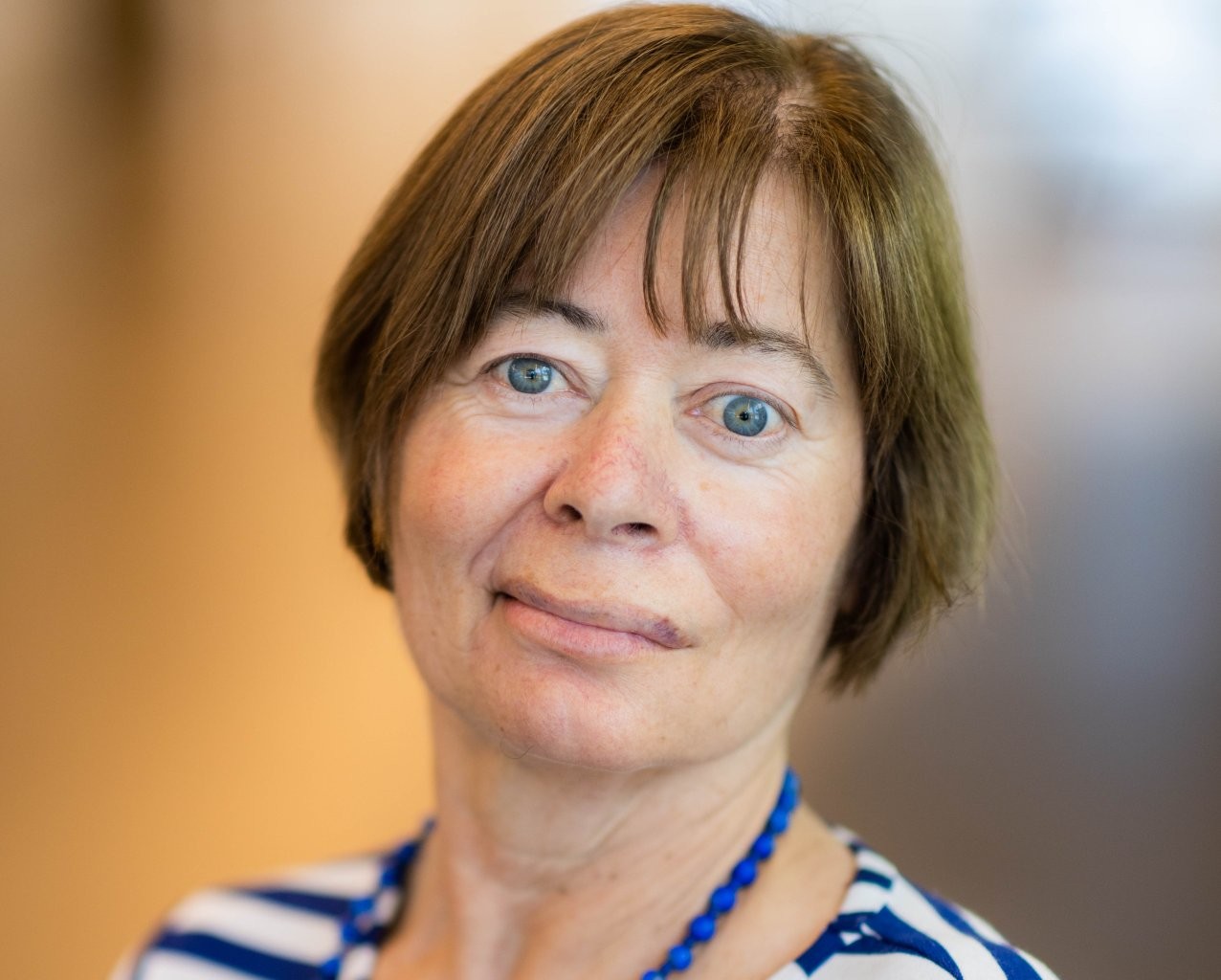
“From what we see of children’s interactions on Minecraft, it’s far more than just a digital pastime; it’s a virtual playground where children can develop problem-solving skills, collaboration, and language abilities,” Dr Tudini says.
Team and problem-solving skills are also prominent in Minecraft, the expert in conversation analysis (CA) methodology explains.
Tudini says what she thought was interesting was there was a lot of these behaviours in students' talk.
“I think that’s important. That provided scaffolding for the participants in their gameplay, and that was very frequent and reciprocal.”
With the ever-growing presence of Minecraft Education Edition in school curricula worldwide, understanding how children interact within these digital spaces is critical for educators.
Equally critical is the need for them to gain adequate support to explore the software themselves.
Tudini says you don’t adopt a tool, particularly a technological tool, that you don’t know yourself.
“Maybe they need some professional development to be able to see the potential,” she says.
“They are interactionally complex resources, because kids are dealing simultaneously with game actions and conversational actions in negotiations with their peers, so teachers need to know the resource themselves.”
Of course, despite Minecraft offering rich learning opportunities, it also comes with challenges – especially in open online environments.
“All online spaces have safety risks. While Minecraft promotes positive social interactions, public servers can expose children to online risks such as bullying or interactions with unknown players,” Tudini says.
“Ensuring children’s safety and maximising the game’s educational potential requires active involvement from both parents and educators.
“We need to teach children about safe gaming practices, encourage play with known friends, and monitor content to ensure a safe gaming experience.
“By adopting safe gaming practices and integrating Minecraft into learning environments, we can help children harness its benefits while navigating the digital world responsibly.”
Tudini says educators may also rightly be concerned about appropriate integration of the resource into the curriculum because there are very promising options for science, geography and particularly the foreign languages area.
“Then when it is integrated, it requires research which focuses on the learning behaviours – clearly you want to see if they’re learning, or whether they’re just mucking around.
“It’s a complex thing to introduce a game like Minecraft, even though it’s a wonderful resource if we can use it correctly.”
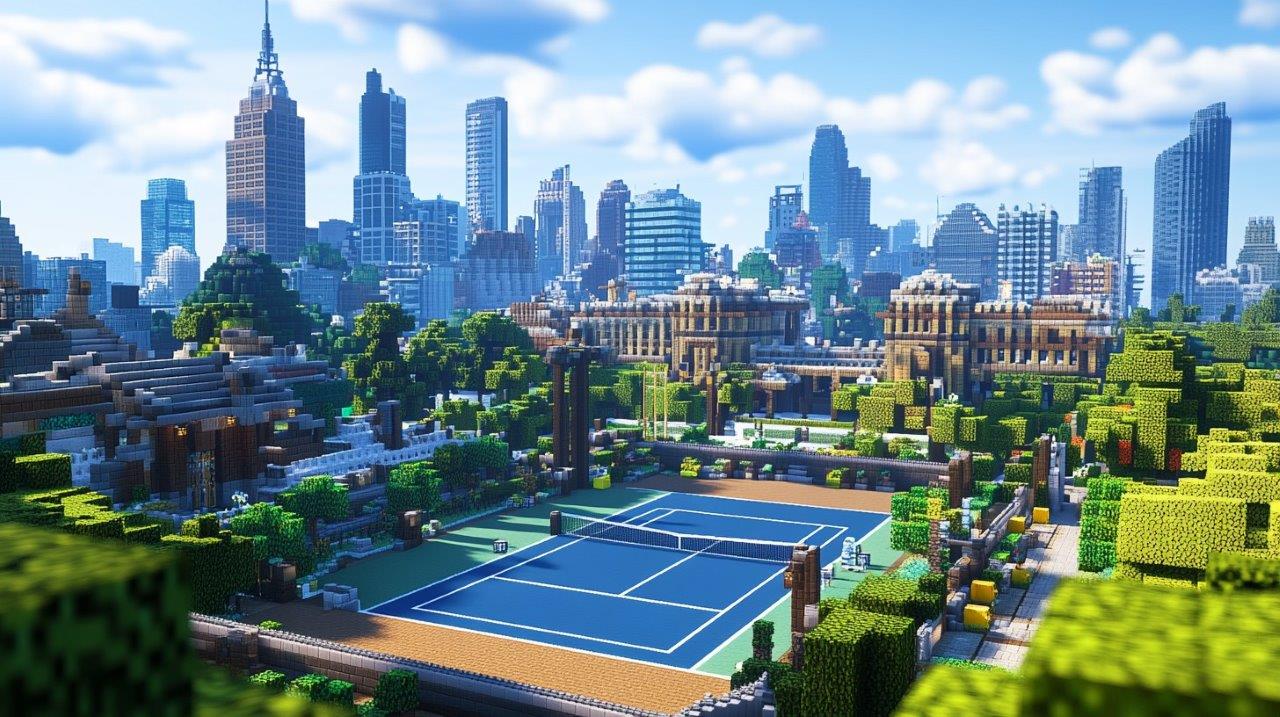
By adopting safe gaming practices and integrating Minecraft into learning environments, educators and parents can help children harness its benefits while navigating the digital world responsibly.
“There is the issue [of] addictiveness, and so it’s easier for teachers to just stick to conventional classroom activities and collaboration over a game they’re not familiar with – but there are some teachers who want to try and they need to be supported.”
Minecraft’s applications for learning foreign languages excites Tudini.
“In the Education Edition, the mods allow you to go to all sorts of different countries and cities.
“So that would be really promising with sister schools in other countries and fantastic to be able to excite the kids and get some collaborative learning happening there.
“It needs work and also work with us with the researchers and we can help you pilot and do all those sorts of important things.
Tudini’s book addresses the risks inherent in children’s online interaction and the role of protective adults, yet also celebrates children’s linguistic creativity and ability to adapt to new forms of communication.
“Because children spend so much time online texting rather than conversing verbally, it’s really becoming a huge part of their lives,” she says.
“But we know very little about the language they use during interaction, whether they’re gaming or texting, so the book is about social media interaction.
“I touch on emojis, I look at the YouTube comments, interaction, I look at gaming and also review previous research on video game interaction.”
One of the chapters deals with how paedophiles gain children’s trust.
“I wanted to use conversation analysis because that’s never been done before, so that allows me to do a step-by-step analysis of the posts that children put on social media, messaging apps, and gaming platforms.
“I look at the language and the interaction, the interactional features to give that snapshot of what they’re doing, and we’ve got further work to do.”
Recommendations for schools:
- Minecraft Education Edition offers structured lessons like coding, mathematics, and environmental science. Teachers can use the game to engage students in creative learning.
- Promote digital citizenship by teaching online etiquette, cyber safety, and responsible gaming.
- Encourage constructive collaboration that require teamwork and problem-solving.