

An analysis of national data led by University of Queensland researchers has shown an ‘attendance cliff’ between primary school and high school for First Nations students, especially in remote areas.
“The finding ... marks the identified need for systemic change that is Aboriginal and Torres Strait Islander-led and grounded in consultation to understand the mechanisms that perpetuate inequity,” the report found.
Former QBI researcher and study lead, Dr Azhar Potia, now at the University of the Sunshine Coast, said average attendance rates across all students remained relatively stable throughout primary school, but dropped upon entry to secondary school for First Nations students.
“This decline is observed as a precipitous drop – or ‘attendance cliff’ – at the point of transition to secondary school,” Potia said.
“It’s a pattern that’s consistent across all geographical locations, but more pronounced in schools in remote and very remote jurisdictions.
“The attendance cliff is a notable symbol of inequity, and the data identifies a clear gap in national policy focus that must be addressed through policy and practice, led by First Nations people.’’
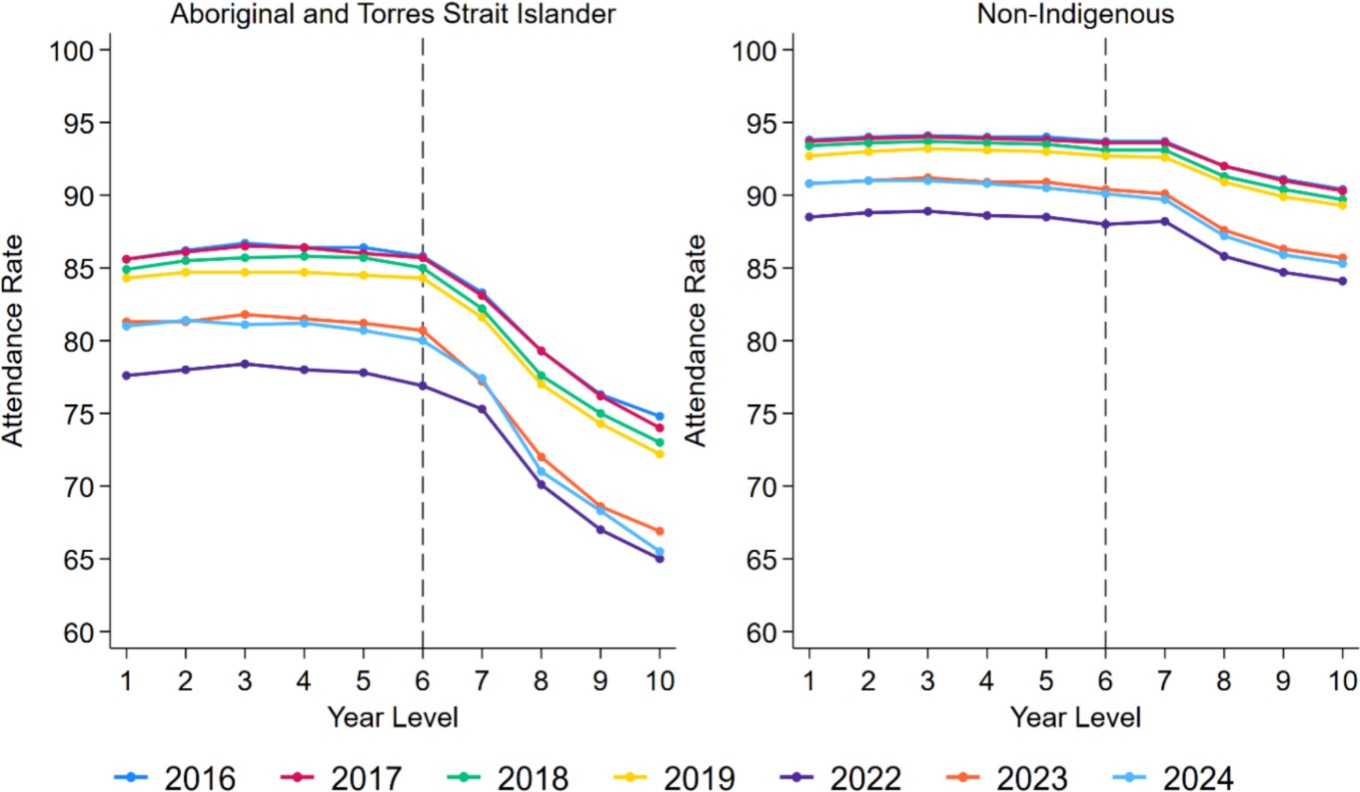
Figure 1: Nationwide attendance rates in transition between primary and high school. Source: ACARA
In 2008, the Federal Government launched the Closing the Gap initiative, setting seven ambitious targets to enhance health and educational outcomes.
While the initiative has led to some notable progress in educational outcomes for First Nations students, particularly in early childhood education participation and boosting Year 12 completion rates, lack of progress in many areas led to calls for more innovative and collaborative strategies.
In response, in July 2020, the Government unveiled broader targets under the Closing the Gap framework, introducing 17 targets, aiming for advancements across health, education, safety, housing, land and waters, justice, language and social and emotional wellbeing.
While the education targets have been largely maintained, focusing on the critical transitions into and out of school, the analysis identified a major gap in Indigenous education policy, particularly addressing the middle years of schooling.
The transition from primary to secondary education warrants attention, the report said, as a period recognised for an increased risk of educational disengagement, potential school refusal and eventual school non-completion.
“For First Nations students, this transition presents additional challenges seen not only in broad challenges of geography (e.g., lack of secondary schooling opportunities in remote locations) and culture and the enduring effects of colonisation, but in the failure of school systems and staff to be ready for First Nations students and embrace their strengths to ensure inclusion and opportunity to thrive,” the report stated.
While the transition to secondary school coincides with structural changes in school systems and pedagogical practices and significant biological, social and cognitive changes, the report found that for First Nations students, inter-generational trauma, cultural dislocation and deficit expectations exacerbate the potential stress associated with transition.
There are distinctive challenging experiences for First Nations students, including much higher rates of students moving from their communities to boarding schools in urban centres away from their kin and community connections.
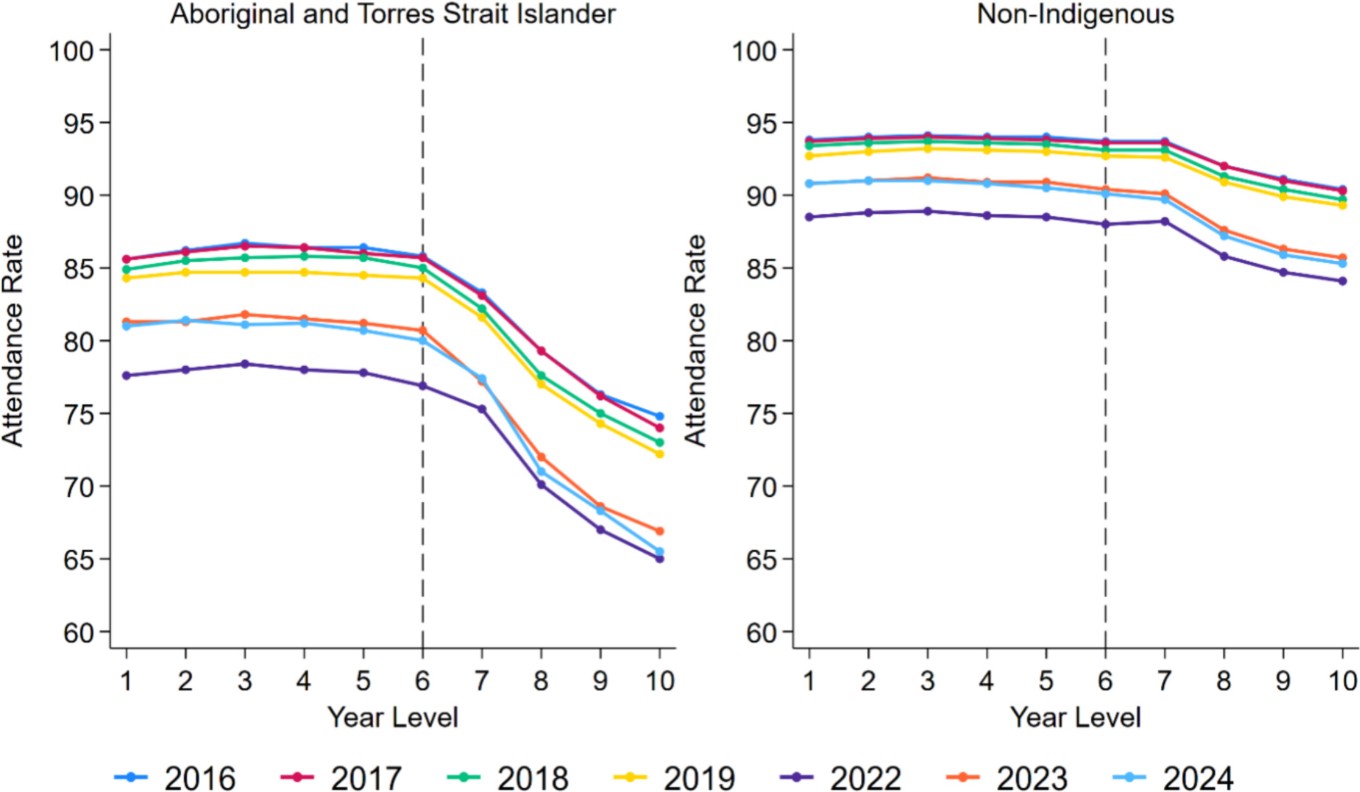
Figure 2: Attendance rates of Aboriginal and Torres Strait Islander students by geolocation. Source: ACARA
“Dislocation from community is associated with challenges of adapting to structural and educational expectations within the mainstream Western schooling system, which may not always resonate with Aboriginal and Torres Strait Islander cultures and ways of learning,” the report stated.
“Recognising the importance of the additional challenges faced, there is a significant scope for policy reform aimed at fostering educational environments that are inclusive and supportive of students’ historical, cultural and social backgrounds and experiences.”
Professor Karen Thorpe, an expert in child development, education and care from UQ’s Queensland Brain Institute (QBI), said while Closing the Gap reform aims to address disparities, the transition to secondary education should be a targeted priority.
“Addressing this oversight is imperative in creating equitable educational opportunities that improve engagement, attendance and outcomes for Aboriginal and Torres Strait Islander students,” Thorpe said in the report.
“We need to smooth the way for positive transition from primary to secondary school for all students, but particularly those who identify as First Nations.”
The study examined publicly available Australian Curriculum, Assessment and Reporting Authority (ACARA) attendance data from all Australian states and territories.
While the authors recognised the limitations to using school attendance as a proxy for school engagement – since attendance does not capture the cognitive, emotional and behavioural aspects of engagement – nevertheless, they said “there is evidence that regular attendance is a precursor to strong school engagement”.
Research collaborator Dr Tracy Woodroffe from Charles Darwin University said educational policies need to be student-focused and culturally inclusive, allowing Aboriginal and Torres Strait Islander students to be better supported.
“We advocate for expanding the Closing the Gap targets to include a focus on the crucial middle years of education,’’ Woodroffe said.
“Recognising the critical transition into secondary school ... presents a significant opportunity for culturally responsive policy reform with accompanying actions and resource allocation,’’ the paper suggested.
“This approach necessitates a strategic emphasis on policy reforms aimed at enhancing school attendance, engagement and academic achievement for First Nations students.
“By fostering Aboriginal and Torres Strait Islander-led research and community-driven initiatives, there is a tremendous potential to innovate and implement strategies that are culturally attuned and effective in supporting students through these transitions.”
Click here to view the research published in Australian Journal of Social Issues.