Public school teachers, principals and support staff will stop work for a further half-day next term on a rolling ‘region-by-region’ basis and also won’t be replying to Department emails, the union has said, as negotiations with the State Government drag on.
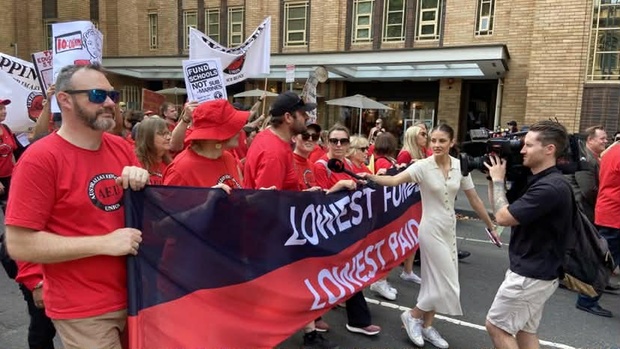
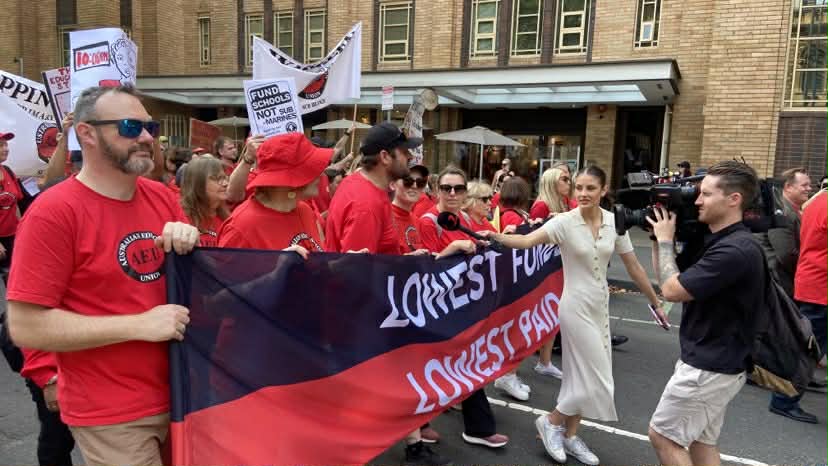
The development comes following historic stop-work action last month, which saw 35,000 public school staff walk off the job, with thousands marching through the streets of Melbourne in what some on the ground deemed a ‘monumental’ display of union power.
The AEU is demanding the Allan Labor Government agree to a 35 per cent pay rise over four years, and better conditions – namely reduced class sizes and bolstered mental health and classroom support.
One public school teacher who joined the union last month told EducationHQ she was disappointed that further industrial action was needed.
“I'm disappointed that the Government in the first round couldn't meet any of our expectations, given this has been going on for longer than 12 months.
“I think it's ridiculous when you have over 35,000 people on strike, that the Government doesn't do anything at all to even show that they listen to the teachers in Victoria,” the teacher said.
“The fact that the union has to resort to these measures just shows you how ridiculous the situation has become. Teachers don’t want to strike, they don’t want to do this.”
The teacher said most of the new measures planned for the coming term would have little impact on students and would actually free teachers up to focus more on their core work during the day.
“All the real work that we do for students is in our own time. So actually, I think it would have minimal impacts on the students themselves.”
Yet a sense of guilt will come from acting on these new directives from the union, the teacher shares.
“I do think there's an element of guilt – and we won't get by without going [to meetings].
“We're actually going to suffer as well, because we're going to be out of touch with what's going on, and will have to do the work regardless.”
Not being able to write student reports will also be problematic, the teacher flags.
“And especially for parents – but also for teachers. This is another area where that guilt will set in because we've done all the work but we can't report on it…”
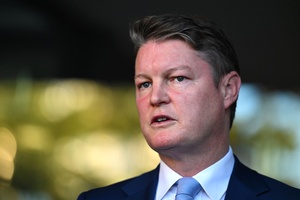
AEU Victorian Branch president Justin Mullaly says public school employees are “sick and tired of being overworked and undervalued”.
“They are being taken for granted by Premier Jacinta Allan and Education Minister Ben Carroll and will raise their voices around Victoria and significantly escalate their industrial action,” Mullaly says.
The union leader reiterates that Victorian teachers in public schools are the nation’s lowest paid.
“They have cut $2.4 billion from Victoria’s public schools, meaning we have the lowest funded public schools in the country.
“And right now, every state Labor MP should be ashamed of the fact that they think they can call Victoria ‘the education state’,” he adds.
The union note that by October, experienced teachers in Victoria will be earning as much as $15,359 a year ($295 per week) less than their NSW counterparts.
Meanwhile, a classroom-based education support employee starting out would be 10.5 per cent behind, and a Victorian school principal new to the role would start $27,841 or 18 per cent behind a similar principal across the border.
Last month the union rejected a last-minute plea from Allan to abandon the planned strike and argued the action was justified given the Government’s “totally unacceptable” offer – the first in nine months of pay negotiations.
The Government’s offer is for 17 per cent pay increase over three years, with a 1.5 per cent overtime allowance, an additional student-free day and a trial of flexible work arrangements.
Education Minister Ben Carroll called it a “very significant and compelling offer”.
“...and if you look at all of our public sector EBAs, to have a first offer of this magnitude says how much we value our teachers,” he said.
The union reports that a recent survey showed public school staff are clocking up more than 12 hours’ unpaid overtime per week on average, while more than 80 per say their workloads have increased due to inadequate support.
Just 30 per cent plan to stay working in the public system long-term, the union notes.
“The Allan Labor Government needs to start acting like a true Labor government.
“If they care about public school students and families, and want to properly address chronic staffing shortages, they need to keep experienced school staff in the system and attract the next generation,” Mullaly says.