Canvassing the purchasing habits of more than 10,000 public school teachers, the AEU’s State of Our Schools survey found some 86 per cent had dipped into their own pocket to provide items for their classroom, with an average annual spend totalling $988.18.
Nationally, this amounts to nearly $177 million annually, the union have flagged, with teachers in primary and special schools spending even more.
Teachers in remote areas recorded the highest average out-of-pocket costs, spending an average of $1197 each year on classroom supplies and learning materials.
AEU federal president Correna Haythorpe argued the findings show that teachers’ goodwill is being exploited.
“The unacceptable reality is that teachers are spending significant amounts of their own money on the basic necessities needed to run a classroom,” Haythorpe said.
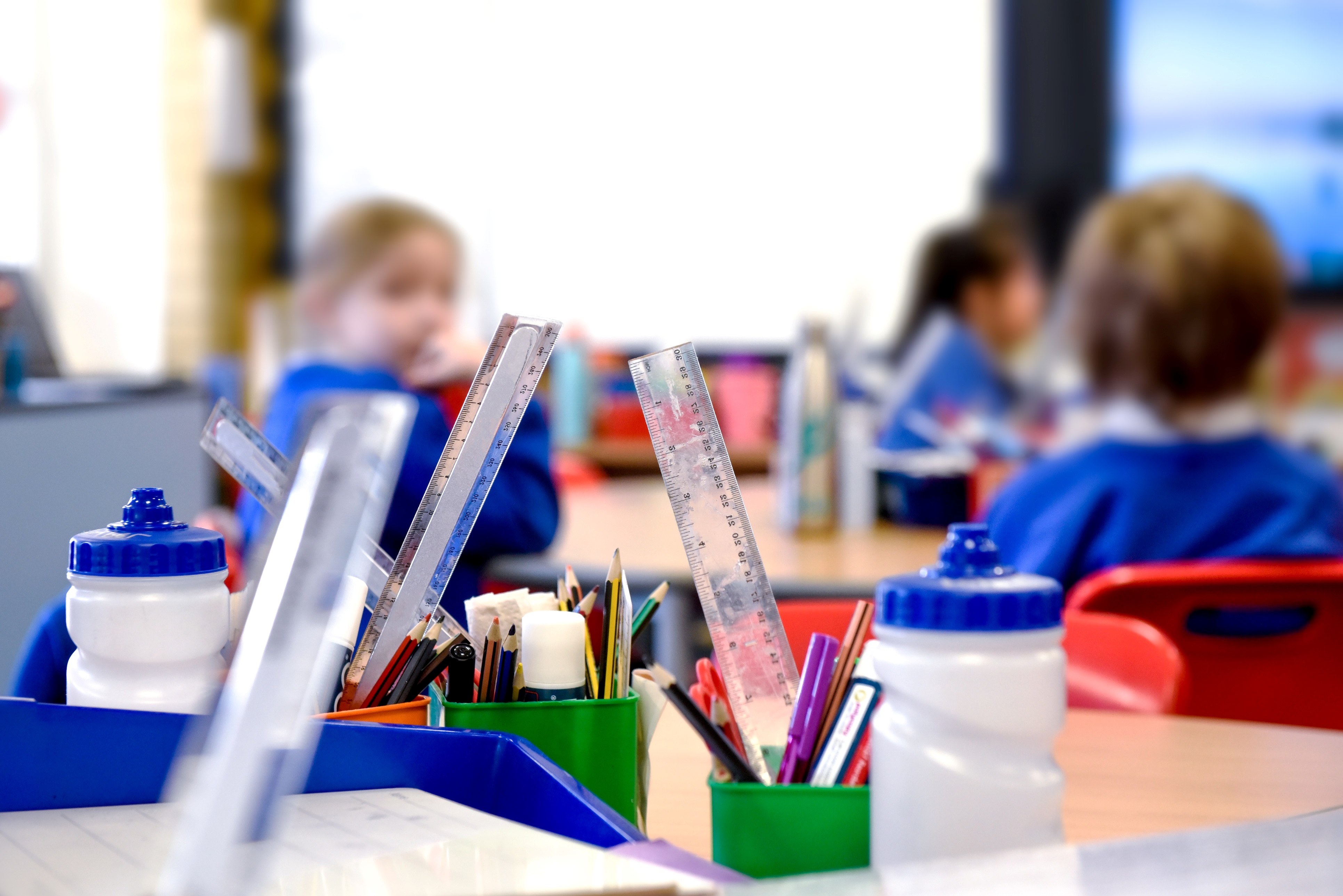
“We’re not talking about nice-to-haves or personal touches. Teachers are paying for basic items like stationery, books, classroom equipment, and materials to support individual students.
“These are critical items necessary for teachers to do their jobs properly, but they have been forced to pay for them out of their own pockets,” she added.
When teachers were asked what they spent the money on, more than 85 per cent bought stationary, more than 84 per cent bought classroom equipment and over half purchased items to support individual students.
Notably, nearly 6 per cent put their own money towards study trips or excursions, while more than 16 per cent secured sports or play equipment.
One secondary English teacher told EducationHQ that she has been forced to supply students with textbooks, novels, workbooks and pens throughout the year so they can participate in class.
“Our budget for each staff member is $50 for the year, and that just about covers eight whiteboard markers,” she reported.
“I feel frustrated by it, there isn’t much gratitude in teaching so when you’re putting in your own money it is disheartening. Having to foot the bill makes you feel worthless.”
Haythorpe said teachers are doing this because they care deeply about their students but indicated the system was clearly broken.
“…when more than 85 per cent of public school teachers are spending nearly $1000 a year of their own money, that’s not generosity, that’s a system failure.”
Spending differences emerged according to school context and SES status.
Interestingly, teachers in schools occupying the middle SES band spent more ($1212 each) than teachers in schools in low SES ($949 each) or high SES areas ($768 each).
Teachers in self-described “under resourced” schools spent an average of $1119 each, compared to $660 for teachers in “adequately resourced” schools.
Haythorpe said this situation was “especially unfair”.
“The teachers who are already working in the toughest conditions are being asked to carry the greatest financial burden,” the union leader said.
The AEU are calling on governments to get the funding struck in the new Better and Fairer Schools agreement into public schools as a matter of urgency.
They should do so to ensure teachers aren’t “forced to choose between their own household budgets and their students’ learning”, Haythorpe said.
“…And in the case of Victoria where there is no full funding agreement, the State Government must step up urgently and commit to a full 75 per cent share of the Schooling Resource Standard to ensure full funding is delivered to Victorian public schools,” she added.
The survey also assessed elements of teachers’ workload, finding public school teachers work ‘well beyond’ a normal 40-hour working week.
Those in full-time roles worked 49.3 hours on average each week, while part-timers clocked up 34.1 hours.
More than 80 per cent of teachers worked in excess of 40 hours a week, and more than 36 per cent worked more than 50.
Some 56 per cent of participants reported their working hours had increased over the past year.
Insufficient non-contact hours and an escalating number of administrative tasks were reported to be impacting educators’ ability to focus on delivering the curriculum and student learning outcomes.