
Road trauma remains the leading cause of death for Australian children aged one to 14, and the second leading cause of death for young people aged 15 to 24. These aren’t just statistics. They represent classroom chairs that will sit empty, playground bonds that won’t see another summer, and ‘when I grow up’ dreams cut short.
Already this year, 16 children aged 0-7 have lost their lives on our roads, a 50 per cent increase from the same time in 2024. Overall, 562 people have been killed on Australian roads, a 7.7 per cent rise year-on-year, with pedestrian fatalities up 26 per cent.
The most confronting part is that these tragedies are preventable, and that must start with road safety education across all classrooms today.
Safer habits start young
We don’t wait until high school to teach English or Maths. So why do we wait until kids are teenagers, or behind the wheel, to teach them how to navigate the road safely?
Children begin forming road use habits long before they drive. In the late primary years, particularly Year 5 and 6, their worlds are expanding. They’re more active in their communities, walking or riding to school, playing outside with friends, and navigating busy streets and public spaces. These everyday activities bring them into closer contact with traffic and other hazards.
Parents’ top safety concerns include inattentive drivers (61 per cent) and their children’s lack of road-safety awareness (17 per cent), underscoring the need for earlier, targeted education before risky habits take hold.
A scalable, evidence-based solution
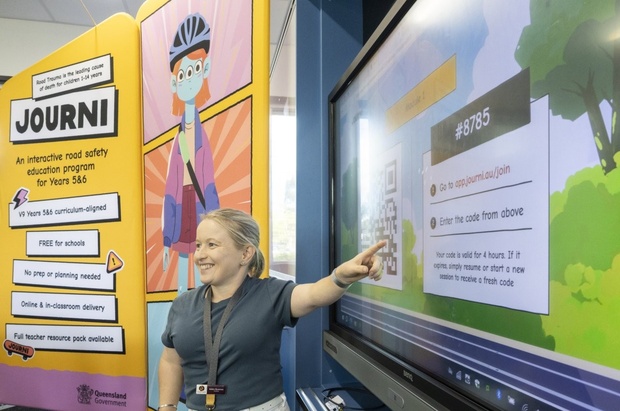
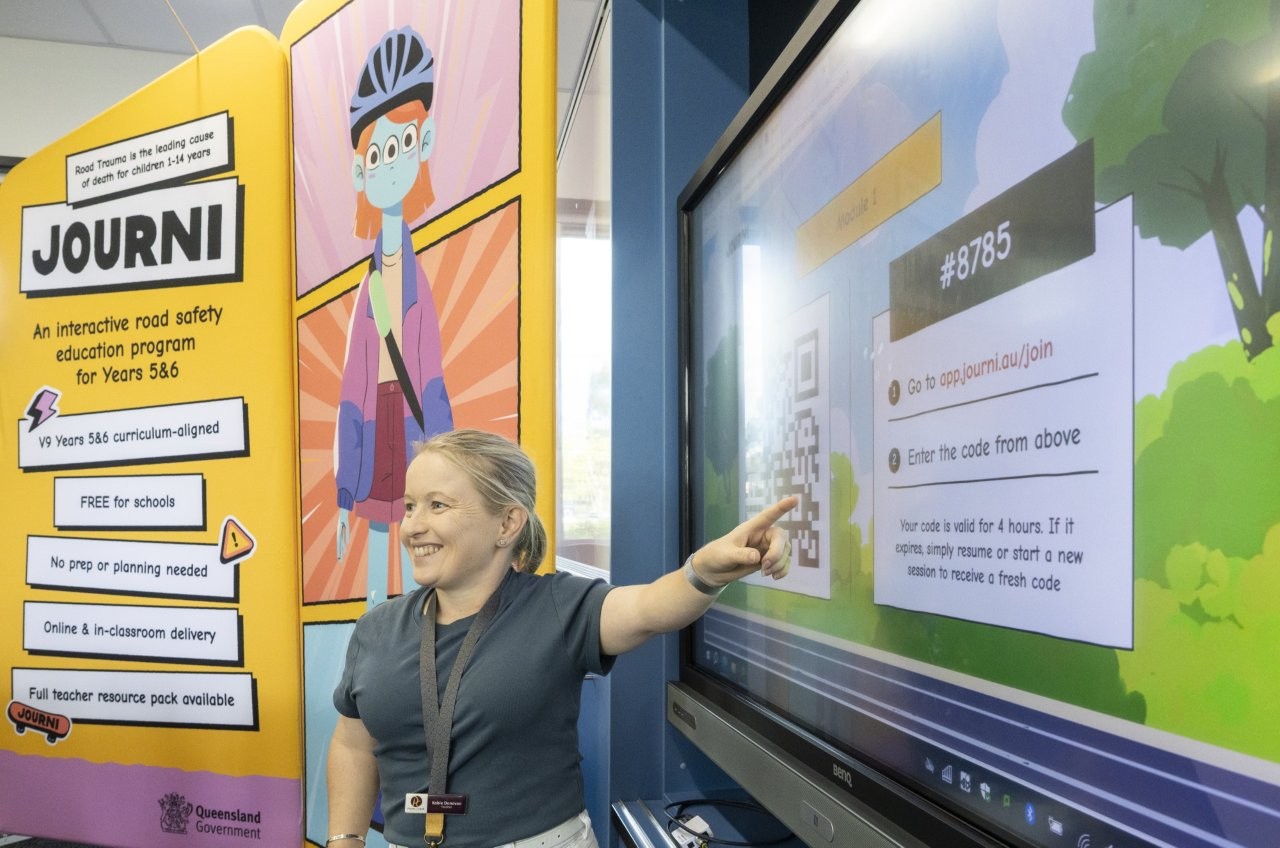
That’s why the Queensland Government’s Department of Transport and Main Roads, together with the Australian Road Safety Foundation, developed Journi – a free, online, interactive learning experience designed to empower Year 5 and 6 students to make better road safety choices.
White queries why we wait until kids are teenagers, or behind the wheel, to teach them how to navigate the road safely.
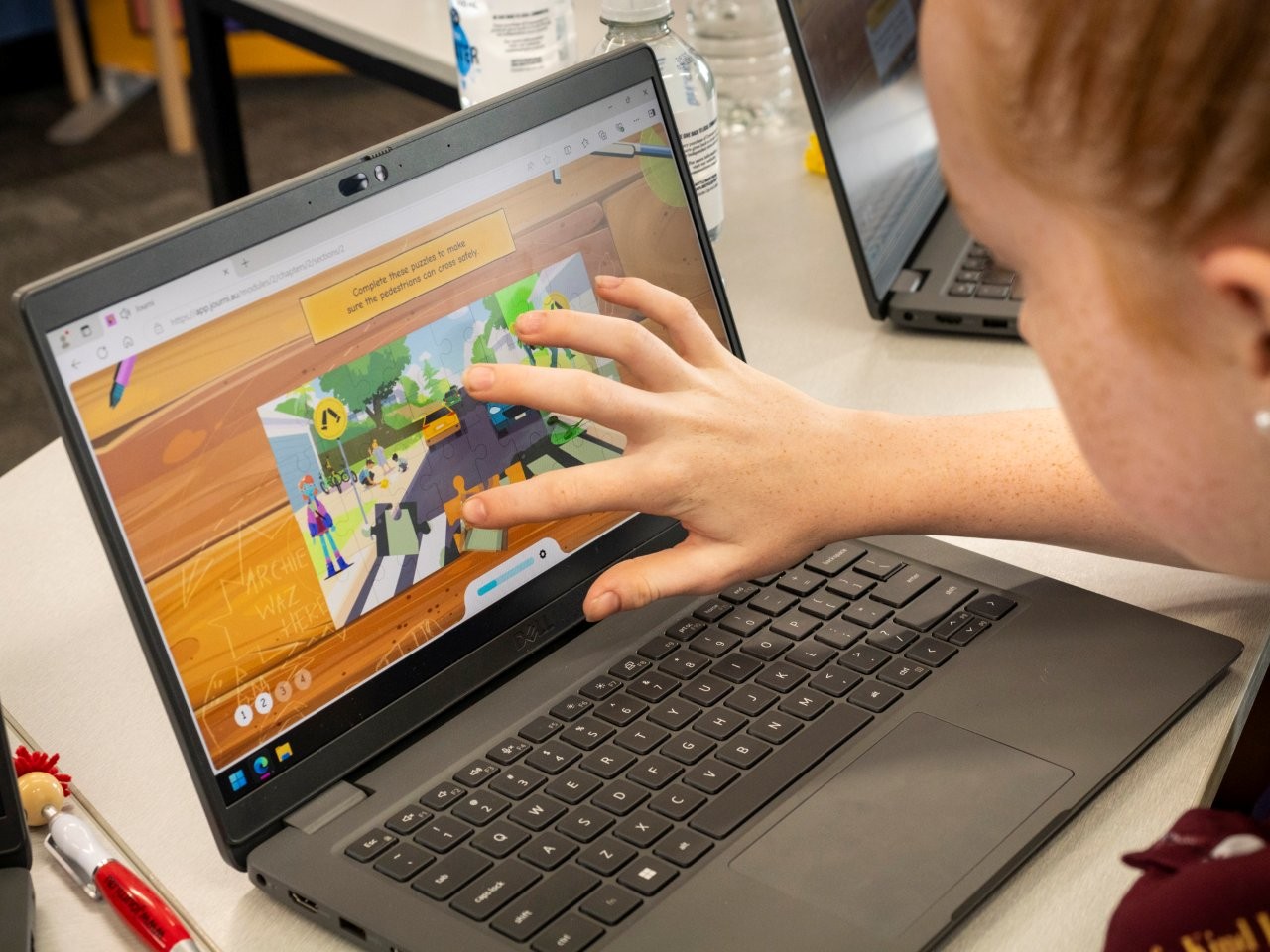
Using gamified activities and a graphic novel format, Journi places students in real-world scenarios where they can practice identifying risks and making safe decisions. The content is aligned to curriculum needs and adaptable for all types of classrooms.
Since its launch, 6797 students across 187 schools have engaged with Journi. More than 5000 students have completed at least one module, with many educators rolling the program out across multiple classes. The uptake proves there’s both appetite and need for engaging, accessible road safety education.
The urgency to act
With pedestrian deaths up and child fatalities rising, we cannot afford complacency. Every month without early education is another month children are walking, riding, and travelling without the knowledge to protect themselves.
Journi is not a silver bullet, but it is an immediate, scalable step towards prevention. It gives schools, parents, and communities a practical way to start closing the safety gap before these students become part of the road toll.
More than awareness, building instinct
True safety education isn’t just about memorising rules. It’s about developing instincts – understanding how to prepare for possible risks, spotting a hazard before it’s too late, and making confident, safe choices under pressure.
That’s the shift we need in road safety education: from awareness to behavioural change. Journi is built on that principle.
A choice we can’t put off
We are at a crossroads. Continue as we are, and the statistics will keep climbing. Or we can act now, embedding road safety education in primary classrooms nationwide and giving every child the chance to develop life-saving habits early.
Journi is free, it’s ready, and it works. What’s needed now is the commitment to make road safety a core part of our children’s education.
Because prevention doesn’t start in the driver’s seat. It starts in the classroom.
For more information about ARSF, click here.