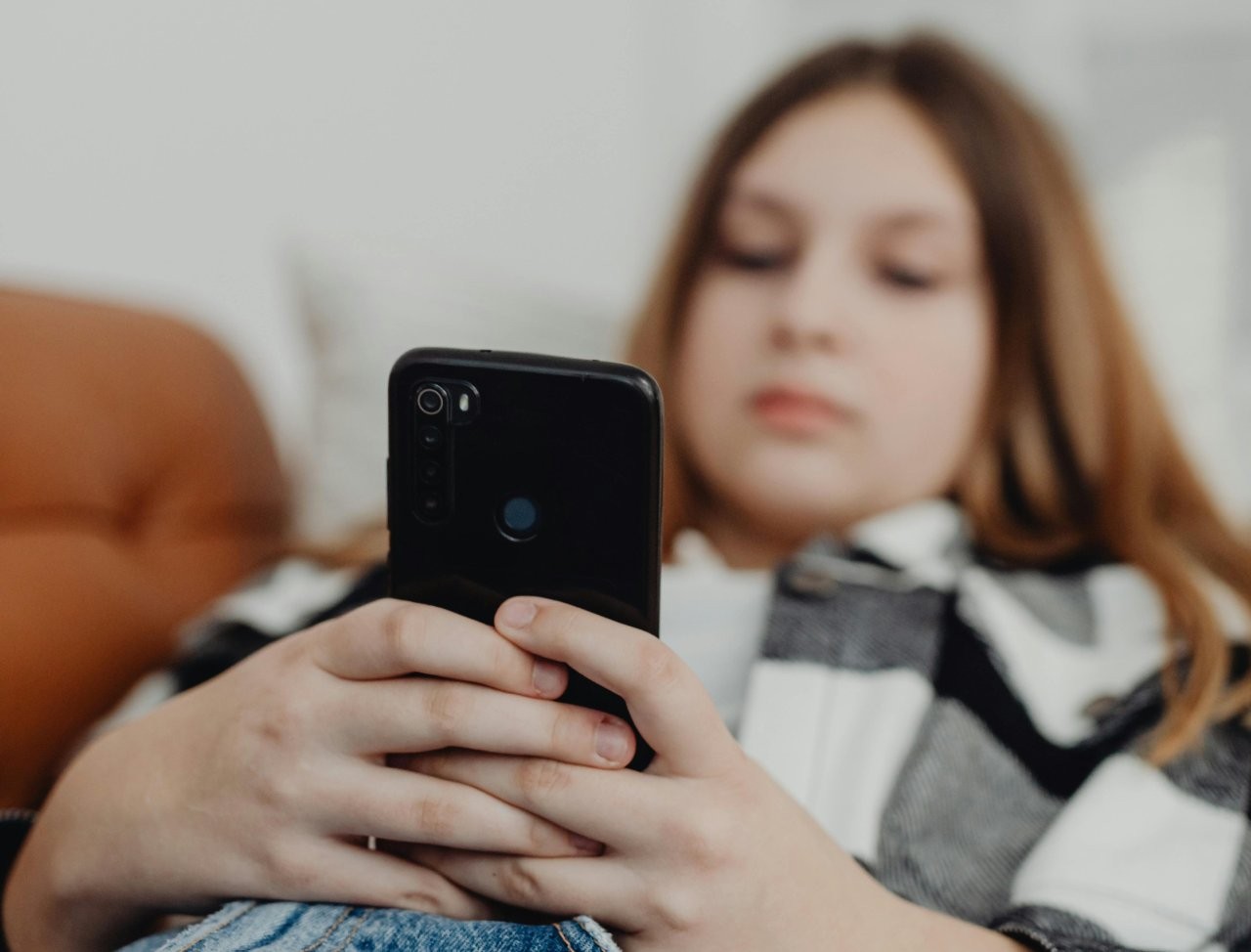
As the school holidays continue, Australia’s Social Media Minimum Age Act precludes children and young people from using social media platforms to communicate and connect with one another.
The Australian Human Rights Commission states that social media is a lifeline to young people, especially in remote and vulnerable communities for whom these online services are particularly important.
These students often face compounded barriers to forming strong bonds, including social isolation, disrupted engagement, and diminished feelings of belonging. By abruptly removing this avenue for connection with no transition plan, this policy risks creating a vacuum in their social lives, and undermining their health, wellbeing, and academic success.
The eSafety Commissioner surveyed children aged 8-15, and their parents and carers, to investigate how children use internet-enabled devices, social media and messaging services.
It is evident in the Methodology Report that diverse experiences and perspectives were included from Aboriginal and Torres Strait Islander people, children with disability, children who identify as LGBTQI+, children from linguistically diverse backgrounds, and people outside the Greater Capital City Statistical Areas.
Yet, there is no evidence of research to evaluate the impact of these technologies on under 16-year-olds' social interaction or to consider the hidden costs to children and young people's sense of belonging, health and wellbeing.
The legislation was introduced to protect children from the harms associated with social media use that have been reported in the media and research.
However, the abrupt implementation of the social media ban left schools without sufficient opportunity to prepare students to learn how to build/rebuild offline relationships.
The timing left parents and carers without much-needed information and support. Thus, this restriction needs to be swiftly addressed to alleviate the social isolation, depression and loneliness that threaten these marginalised children, especially while they have limited face-to-face contact with their peers during the current holidays.
It is important to highlight that social media use can positively contribute to under-16-year-olds' wellbeing, through enabling them to become socially engaged and to develop and maintain friendships.
It promotes communication with peers and is central to strengthening existing offline social networks. The Black Dog Institute reports that adolescents most frequently use social media to communicate with people they know in real life.
For children in remote and regional communities, this helps to nurture and sustain relationships with friends and family who live far away.
Indeed, research has shown that social media use can support youth’s positive mental health. It enables connections with like-minded people, facilitates peer support, improves sociability, and reduces social isolation.
Social media use is associated with increased self-esteem and reduced levels of depression, anxiety, and loneliness. This is vital to bolstering children and young people’s connectedness and combating risk-factors associated with the school holidays.
We recommend that since social media is important to children and young people's belonging, efforts should focus on improving its use to safeguard against dangers to them rather than banning it.
Education for parents and young people that promotes healthy online habits and encourages community dialogue is crucial for this to succeed.
However, since the ban is currently in place, we need to turn the focus to supporting under-16s in connecting and communicating offline.
We suggest that during the school holidays young people are encouraged to participate in community-based activities and special events.
These could include volunteering, sports, musical pursuits, arts and library programs, camps, scouts, as well as cultural and new year celebrations.
Young people from coastal areas could get involved in local surf lifesaving clubs. In regional and rural areas, where such opportunities may not be possible, young people could explore rural youth groups and agricultural societies.
A related suggestion is to have a clearinghouse for families that lists the local opportunities available for under 16-year-olds both during and after the school holidays.