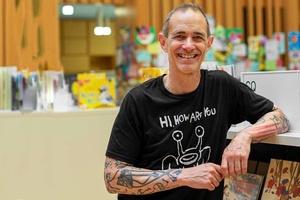

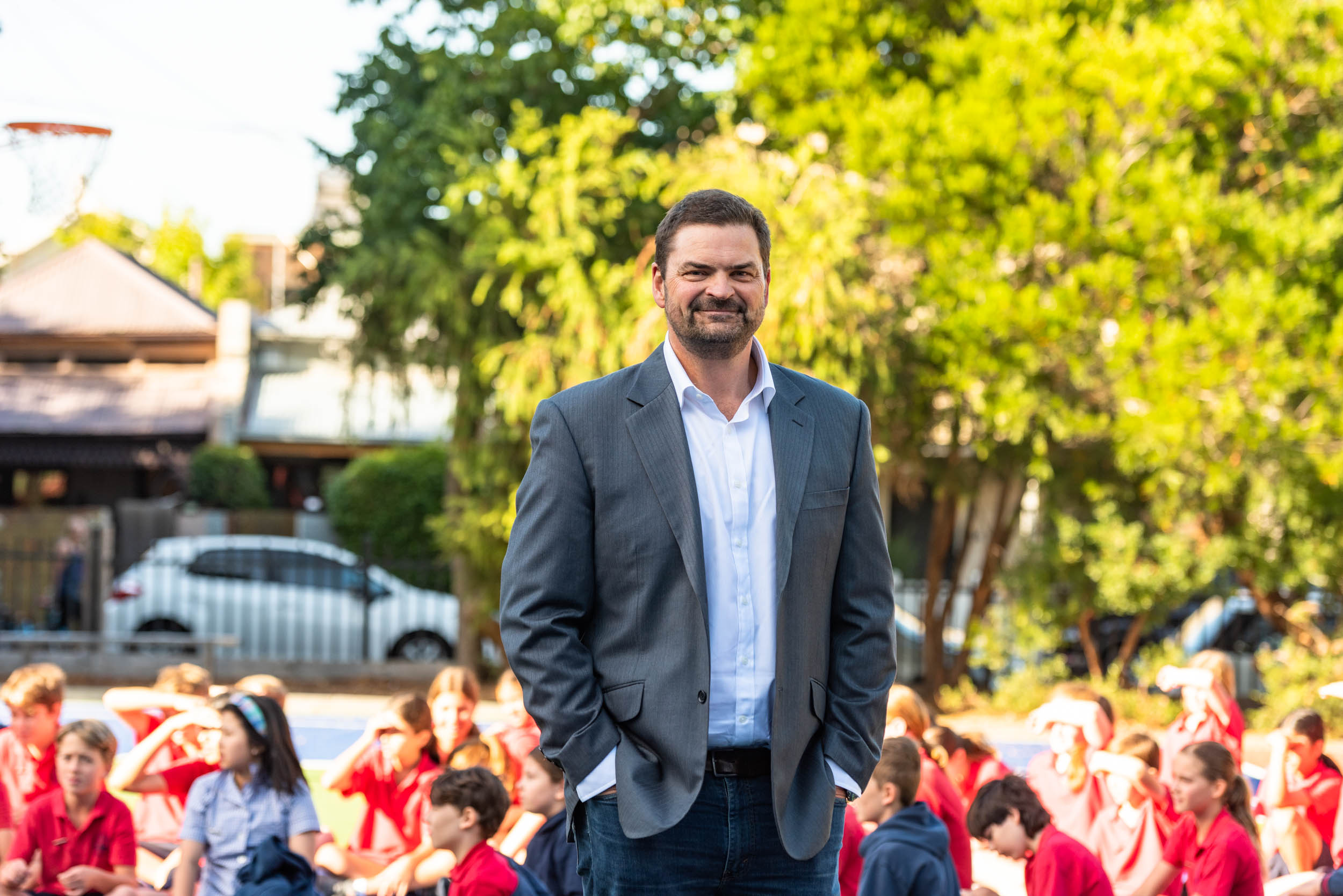
Voigt, a former principal and now CEO at Real Schools, says the new instalment is designed to connect teachers with why they got into the profession in the first place. We delve into his take on the power of restorative practices and how they can help struggling teachers to stick with the profession they once loved.
SD: Hi Adam, you say this second edition is updated with new content to help teachers tackle emerging challenges. Can you tell us more about these?
AV: I think the primary new challenge that teachers are facing has been an impact borne into their work by COVID. I think teachers across the country, not just in locations that experienced a lot of lockdowns, are noticing that the community is a more anxious place at the moment, and kids are bringing into the classroom a bigger backpack of anxiety, of uncertainty, sometimes a shame – and are not able to see the classroom as a place where they are going to be able to thrive and to win in.
We often say the COVID period in a lot of ways ‘poked a bruise’ that was already existing around behaviour, around the students’ ability to engage in the classroom, around connections and relationships in the school community between parents and teachers, which made me think it worthy to sit down and write some new content that was even more helpful for teachers, more practical, and more aligned with the new reality of who our young people are.
And so how does working restoratively, as you put it, ‘ignite the teacher within’?
I think every teacher got into teaching because they had a love and deep purpose for it, and I think its more true of teaching than any other profession. There’s a nobility attached to wanting to work everyday that puts young people on better life trajectories.
And I think that teachers have noticed, and people that have been in the caper for a long time, like me, that over the last couple of decades we’ve started to lose more [teachers], and teachers are wanting to take less responsibility and are less aspirational about becoming leaders and principals in the profession.
So what we think, and what we’ve experienced is, that this (restorative) work allows teachers to enact their deep purpose in their daily activity.
And one of the best examples of that is teachers who tell me that they get to their car at the end of the day, and while nothing is a guarantee – you’re still going to have days that punch you on the nose – but they are able to get to their car at the end of the day and say ‘this is why I got into teaching. I did work today that connects to my deep purpose, to that teacher that was inside me all along’.
And we love that, because we think that there’s too many teachers getting to their car, at the moment, thinking ‘this is not why I got into teaching’.
So being able to change their daily reflective narrative about how well their work connects to their deep purpose we think is really important, and not only in terms of their effect, but it’s also important for keeping them in the profession.
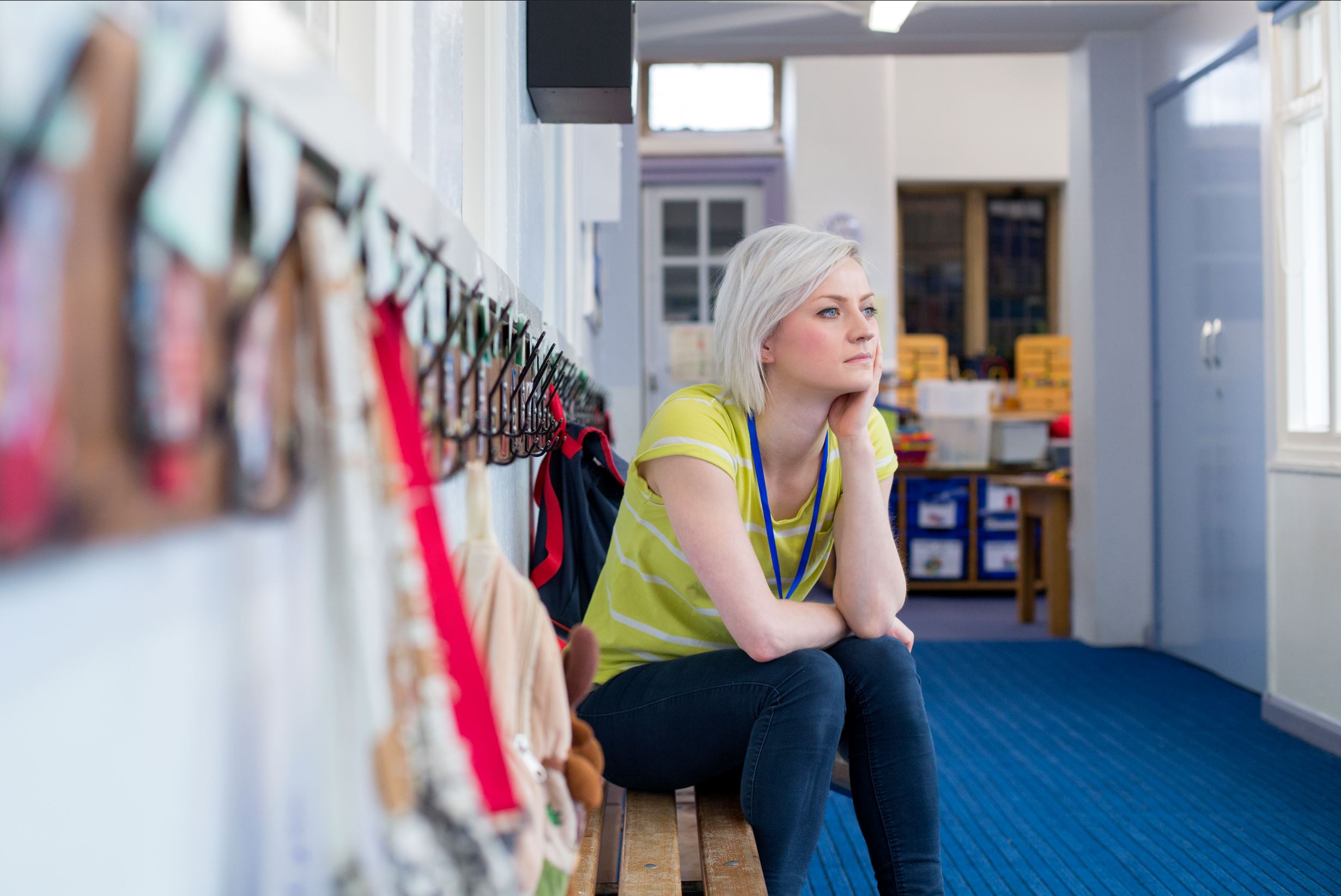
'Authoritarian' approaches to behaviour management don't work in the long run in schools, Voigt argues, as they demand too much of teachers' time and energy.
Can you outline some of the core messages you wanted to convey to teachers in the book?
A core message for us is that the most effective way to improve student learning outcomes, and that’s still very much a currency in the market by which schools are measured, is to invest in the capabilities of the people that work in them.
What we want to do is make sure that our teachers have a high level of social and emotional intelligence so they can understand the young people that are in front of them.
Also, what we’re discovering is that if you build strong capabilities and dispositions in young people, so if you give them the tools and skills to be able to self-regulate their own emotions and behaviours, if we actually put an environment around them that encourages personal responsibility, if we create teaching practices that engage young people and thereby give them access to the thrill of making their own progress – not just sitting through another teacher’s lecture – then they engage in the work.
I think too many teachers at the moment are feeling like the job is heavy, that they’ve got to do everything, that they’ve got to do all the heavy lifting, that they’ve got to perform their way into cajoling young people to learn, wheras the truth is, the more we do, the less sometimes the students do, and a result they don’t get that thrill of making their own progress.
Are you still concerned about the ‘authoritarian’ approach to behaviour management you’ve previously said is gaining momentum in Australian schools?
I am increasingly concerned about authoritarian approaches being used in the classroom, mainly because they can often get a quick win for teachers. If we crack down on something and get a little win and think we need to replicate that, what we’re not recognising is the work and the effort and surveillance that’s required to crack down on not only one behaviour, but on the multitude of behaviours that can occur in a school – and that exhausts teachers.
This is why our programitised approach, and in particular authoritarian programs, fail eventually – teachers run out of time and energy to make the whole thing work.
If you're just walking around the school, catching young people doing the wrong thing and investigating and applying penalty, it's too labour intensive and it actually defies what a school should be: it becomes a judicial system, but a school is a learning system.
And so if we deploy practices that are about young people learning personal responsibility, and accept that not every instance is going to be perfect, and we’re not going to catch or stamp out every single behaviour, what we actually do is reflect the way the real world works, which is that 90 per cent of the time we do the wrong thing, we don’t get punished, we get away with a lot stuff – you know, changing lanes in traffic without indicating.
All of us do it, but very few of us are penalised for it.
What we want is young people who are more likely to put a hand up in traffic when they become adults and say ‘my bad’ rather than flip the bird at the person behind them.
So, we want to raise people who are flawed, who will make mistakes, but who have habitualised personal responsibility. That starts in school, and that’s of benefit to teachers because it’s not as labour intensive.
You've received some rave reviews from educators and academics on this latest edition. That must be encouraging?
It's everything to me that teachers write to me and say using the practices that are in the book is the reason they stayed in teaching. It validates everything we’ve ever done about the book. And with the second edition there’s an audio book and an ebook that's free to everyone who can benefit from it.
We’re not a book-selling organisation at Real Schools, and I don’t have interest in becoming a bestselling author. I just want more teachers that are good people to feel like they can stay in their important work in a really challenging industry at the moment.
I love it when I get those messages that people stayed in the caper because the tactics were practical, because they saved them time, because they required less energy – the book's whole bias is for low investment, high return strategies, and so I love that teachers feel they can do the work in the book and that it gives them what they’re looking for effectively and with less stress.