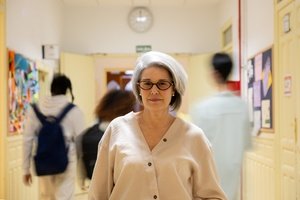


Is it any wonder that we are not attracting enough teachers to the profession with these headlines? Meanwhile, we are told that 80 per cent of our schools are now short of teachers.
Like every job, teaching can be stressful. Meeting marking and reporting deadlines, wading through administrative red tape, pompous principals who have been promoted beyond their competence, sniping fun-sponge colleagues and more aggressive and demanding parents can be frustrating and morale sapping.
Feeling under-paid and under-valued doesn’t help! Not to mention the elephant in the room: out of control feral students who seem to maraud through the blackboard jungle untouchable and more and more emboldened and belligerent.
Having said that, in fifty years in the classroom I never contemplated switching jobs to say, law enforcement or the defence forces.
I can only imagine the stress levels when delivering a warrant to the home of gun wielding sovereign citizen, or the daily fear of being blown up by a land mine in Afghanistan would be a little more stressful than teaching in a classroom for 20 hours a week, 40 weeks a year.
Even low paid shop workers are now on the receiving end of 800,000 episodes of aggression, abuse and violence every year. And yet what other jobs have the chance to de-stress over 12 weeks annual leave?
I am not sure what is going on in Canada, but I would have thought teaching a class in war torn Gaza or wondering if you will be the next victim in a high school massacre in the USA would be more likely candidates for the most stressed tag.
Before lambasting me as a traitor to my profession, may I concede that we ought not dismiss the OECD findings that 34 per cent of Australian teachers in lower secondary years are stressed “a lot”, compared to the OECD average of 19 per cent.
My argument is that much of the perceived stress of the large numbers of teachers who leave in the first five years in the job is regrettable and needless.
Schools should and need not be blackboard jungles. Strong leadership and zero tolerance of anti-social behaviour, as well as collegial support and team building should cushion more vulnerable teachers from the slings and arrows which cause unnecessary distress in their teaching lives.
Similarly, how many teacher training bodies include stress management and teacher wellbeing in their curricula? If our teachers are now facing unprecedented stress, why are we not preparing them better for life in schools?
Meanwhile, can we have a little more media coverage on how fulfilling and rewarding a career in teaching can be? The privilege of educating young people and the chance to make a difference should never be underestimated.
Of course, teaching will never be a bed of roses. But perspective is the uncanny knack of not making mountains out of molehills.