


Led by Associate Professor Jeana Kriewaldt from the University of Melbourne, the study found teachers who mentor each other enjoy better satisfaction in their roles and have sharper instructional knowledge.
Collaborative mentoring – where two or more educators regularly switch roles between mentor and mentee to hone their expertise – ought to be prioritised by policymakers and school leaders, the report suggests.
“Traditional professional development often overlooks the knowledge and expertise teachers already hold,” Kriewaldt says.
“Educators thrive when they feel seen, heard, and trusted.
“By creating the conditions for genuine collaboration, built on safety, trust and reciprocity, we can support educators to stay and flourish in the profession.”
Mentoring, by most accounts, is easy to get wrong. And for some teachers, the prospect of having their practice observed by colleagues might be confronting at best and mortifying at worst.
What if your patchy command of the disruptive Year 9 class is exposed for critique? What if you’re teaching a lesson for the first time, or are grappling with behaviour issues that threaten to derail even the best-laid lesson plans? How could the watchful gaze of one, two or more colleagues possibly be of benefit in such situations?
One Victorian school leader and former teacher of 28 years says the key is to hand staff a great deal of agency in the mentoring process.
Jane Thornton, principal at Glen Eira College in Melbourne, says an effective and well-received mentoring program is predicated on ensuring all judgements are left out of the observation and feedback cycle.
Teachers at the college are currently working in ‘triads’ to observe and then give targeted feedback to each other using scaffolded forms and careful discussion.
“I think the thing that underpins it all is that it’s non-judgmental, evidence-based feedback,” Thornton tells EducationHQ.
“It’s really looking at what is the teacher doing – ‘make, say, do’ – right, and what the students – ’make, say, do’ – right, and then having that conversation at the end.
“So, suspending judgement about what they’re seeing live in the lesson and having protocols around that. And then … the triad sit and discuss what they noticed and really asking the teacher, ‘what do you see? What do you notice?’”
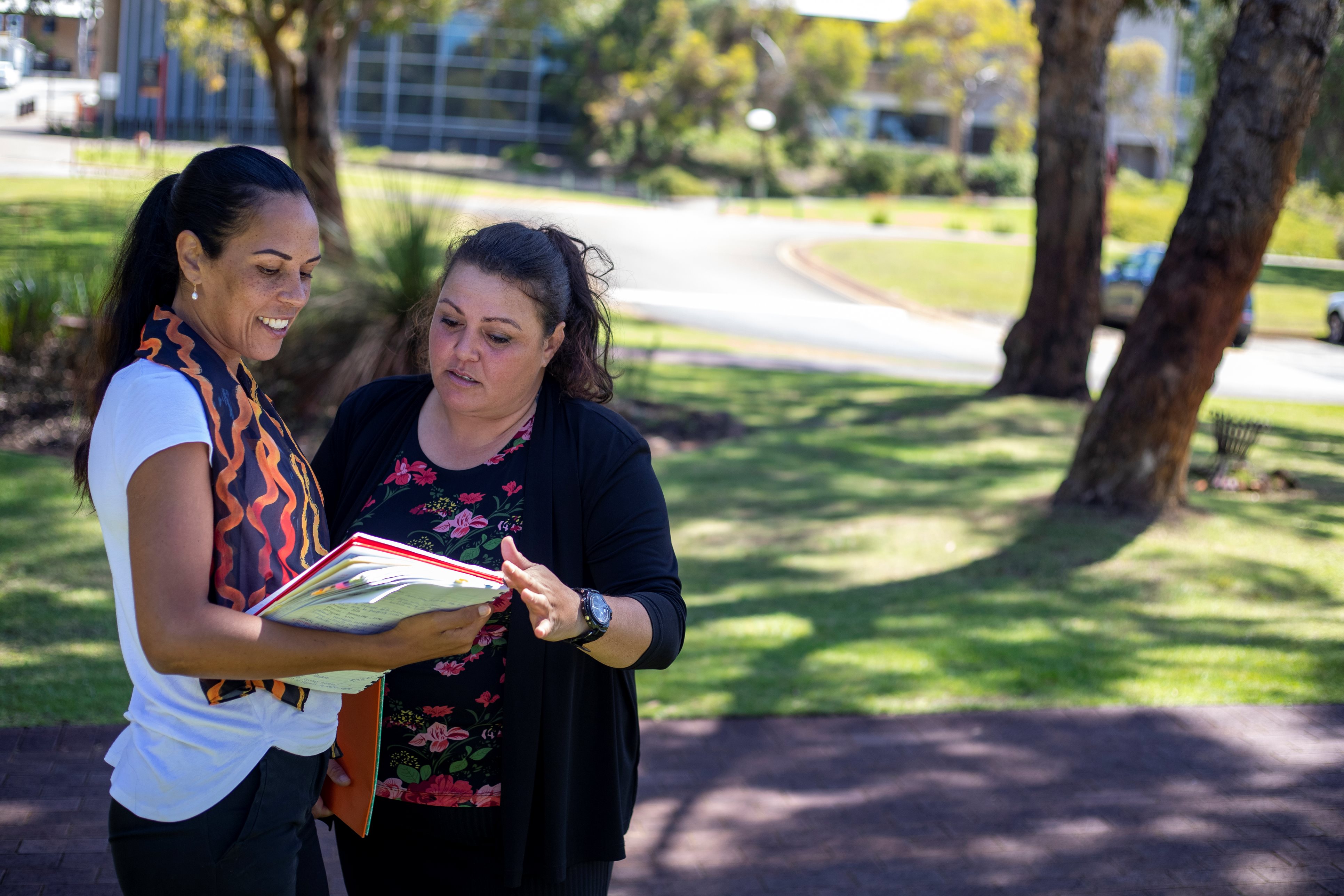
Mentoring tools such as observation guides and conversation protocols help staff engage in ‘constructive and meaningful’ conversation, researchers have flagged.
Building a safe, trusting space for teachers to engage in mentoring relies on having “really clear protocols” about what’s going to happen and how feedback is to be delivered, Thornton adds.
“So, it’s not on the fly. So the teacher being observed … has agency in what feedback form is going to be used and what is the purpose of that feedback form...”
Observing teachers are encouraged to halt their assumptions about certain aspects of practice they see play out until they can ask the teacher in the spotlight why they did or didn’t do something in the classroom.
“So, you’re not saying, ‘oh, you could have really done with having a learning intention here, that would have really helped frame the lesson’.
“You suspend the judgment, and you use that non-judgmental language. You’re just reporting on the facts, what you notice, what you see and what the students and teachers ‘make, say, do’, rather than making inferences or jumping to conclusions,” Thornton says.
Honing the implementation of The Victorian Government’s Teaching and Learning Model 2.0 (VTLM 2.0) is the current focus for Thornton’s teachers as they cycle through their mentoring rounds.
“The staff like having agency in forming the triads, so forming the groups and informing what they’re going to observe,” the principal notes.
“[While the focus on VTLM 2.0 is set] what part of the lesson and who’s going to observe you, and giving teachers choice and agency in that is really important.
“If you’re to dictate, ‘you’re using this checklist, we’re going to observe this class’, it can be quite daunting.”
It’s most often the case that observing a teacher in a class they’re most at ease with will yield the most growth, Thornton says.
“It’s understanding that when you teach those micro skills of teaching, [these] transfer to other classes.
“You don’t necessarily have to observe the most difficult class for a teacher to get the benefit of the observation – it’s often where they are most more comfortable that you will see more of the micro skills and be able to give feedback.”
If a teacher is observed taking a class that’s riddled with behaviour issues, nuanced pedagogical skills are likely to be obscured, she suggests.
Thornton agrees that too much professional development for teachers ignores the expertise and strengths of those in the room.
“Teachers hate being told how to suck eggs. So, it’s really honouring that.
“And that’s what comes out, especially in a collaborative format when [delivering] the feedback – each person then has a different angle or expertise to chat about, and to discuss, ‘what do we notice, what do we see, and where to from here?’”
There’s also an underlying acknowledgement that every teacher has different strengths, Thornton explains.
“So honouring that, and if there’s just two people [in the mentoring group], it’s two brains, but if there’s three or four, it just adds to a richer conversation.”
The Melbourne University research found that to be effective, teacher mentoring needed specific processes and training in place, with tools such as observation guides and conversation protocols to help staff engage in ‘constructive and meaningful’ conversation.
“Repositioning educators’ expertise at the centre of their practice is key to supporting the profession to stay, grow, and lead,” the researchers note.