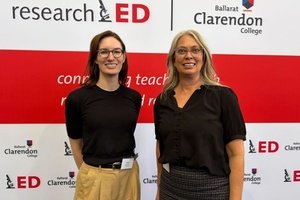
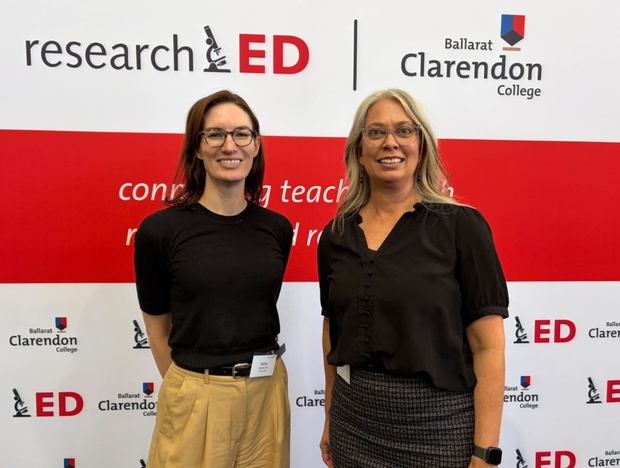
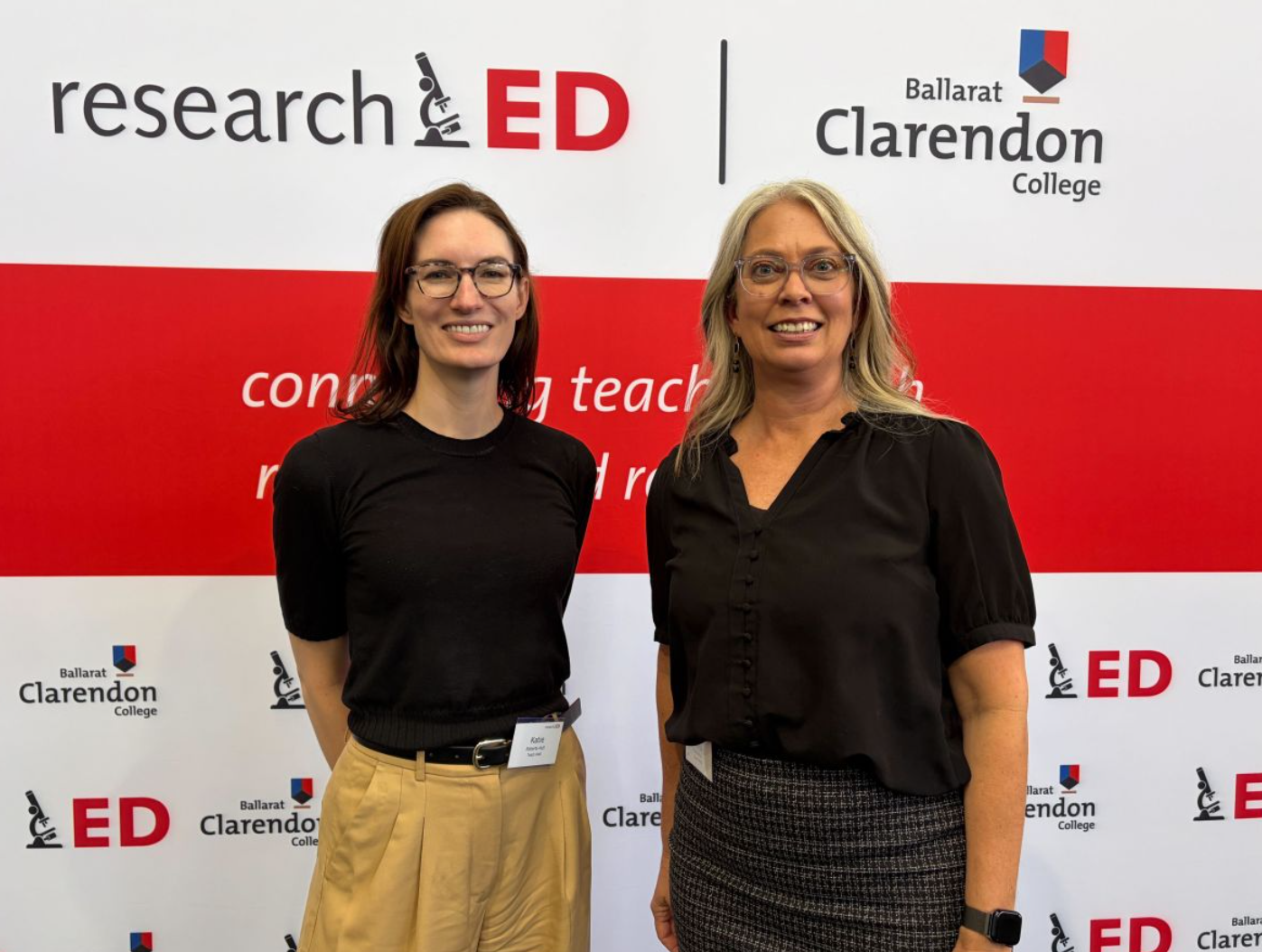
So suggests Katie Roberts-Hull and Sasha Laurance from Teach Well, who say the recent sold-out researchEd event in Ballarat speaks volumes about the sheer influence teachers and practitioners are wielding when it comes to the uptake of the science of learning at scale.
Roberts-Hull, managing director of Teach Well and the former CEO of Think Forward Educators, has been attending researchEd for a number of years and says teachers’ appetite for research-aligned change has been steadily building.
“This was the biggest one that I've been to, and I think it's just been really great to see that groundswell happening, to see the increase year over year.
“To see people giving up their Saturdays and often traveling in, booking hotels often on their own dime, is quite an experience.
“I think it just shows the grassroots interest from the profession in this, and it does provide another example of where all of this [education improvement agenda] is coming from in terms of policy.”
Frustrated by overly pricey education conferences that were during the school day and determined to build something better, UK classroom management and behaviour expert Tom Bennett launched researchED in 2013.
Events are now conducted on Saturdays around the world and speakers donate their time, ensuring ticket prices remain comparatively low.
In March some 700 delegates flocked to Victoria’s Ballarat Clarendon College, host to the largest researchED ever held in Australia and the largest of its kind in the southern hemisphere.
Deputy principal Dr Greg Ashman says researchED is about “helping teachers become research-literate professionals”.
“It builds knowledge, sharpens classroom practice and encourages teachers to think critically about the evidence behind what they do,” he tells EducationHQ.
“Because it is teacher-led and community-driven, it also shifts the culture of professional learning.
“Teachers are not passive recipients of research but active participants in the conversation.”
Roberts-Hull, who presented at the event alongside Laurence, says sustained pressure from grassroots organisations has forced education policymakers into action.
“I think sometimes you can feel like, the phonics mandate, for example, that we had in Victoria, was a top-down thing.
“But actually, it was years and years of bottom-up pressure from these educators that really wanted change in their systems.”
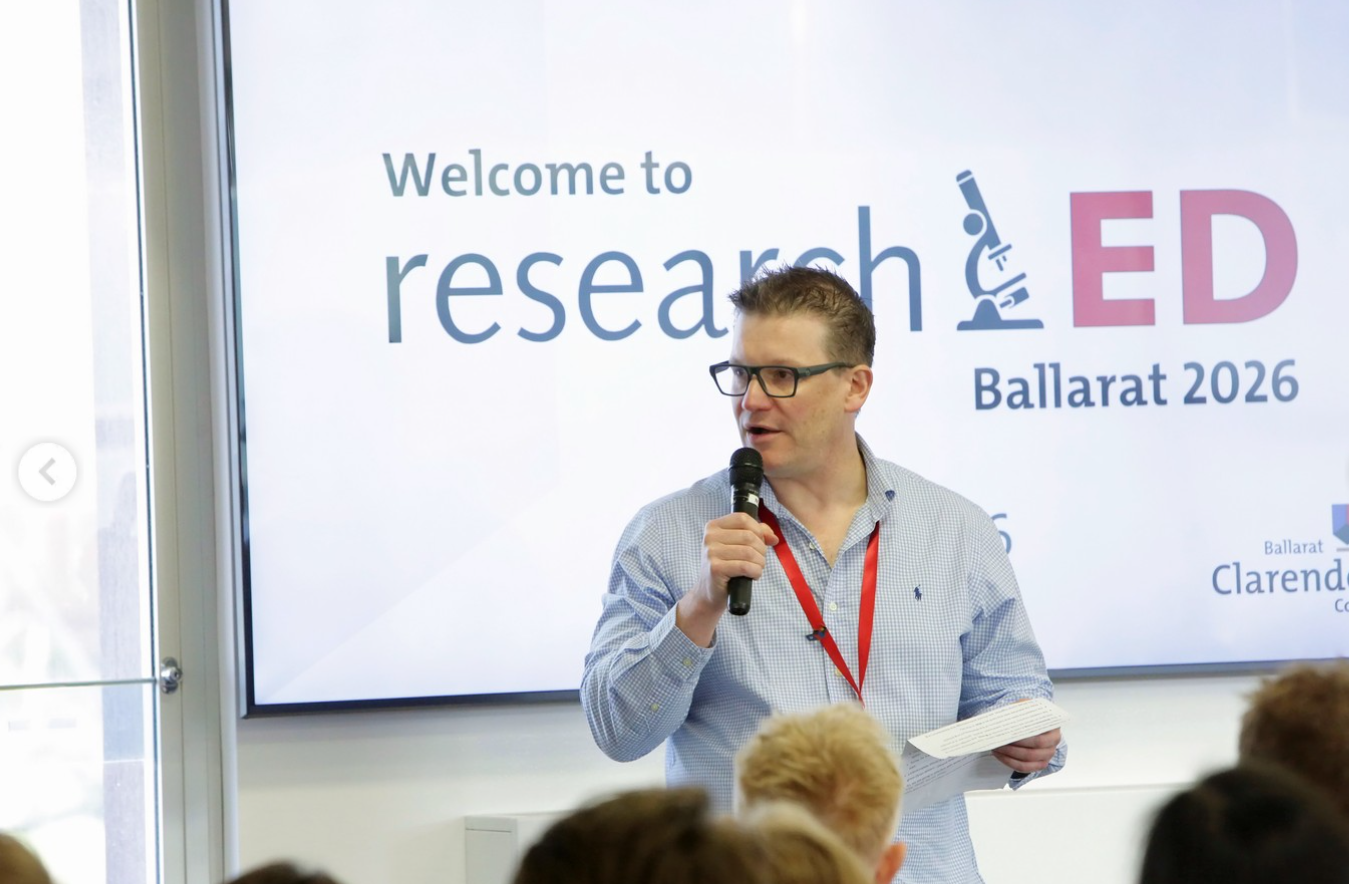
Dr Greg Ashman says because the event is teacher-led and community-driven, it shifts the culture of professional learning.
Keynotes included prominent British education commentator, author and former teacher David Didau, who blogs regularly via The Learning Spy, and Bronwyn Ryrie Jones, a leading teacher educator and published author on teacher learning.
Attendees took to social media to share their key takeaways from the day.
Melbourne primary teacher Erin Fazekas shared Didau’s advice on ‘changing the culture of attention’ via X:
“…No opting out. Hold ss to account. Use closed questions (despite the naysayers!) cold call, and repetition to ensure all students are listening #rEDBall26,” she posted.
Later Fazekas reflected on a key theme:
“A lot of today's info has centred on how to best gain & maintain student attention. Do we think this has become more of an issue in the past decade? I started teaching in 2011 & *think* I remember it not being quite so hard to keep eyes up and on me. #redball26,” she posed.
Education research fellow Trisha Jha from The Centre for Independent Studies gave an update on proceedings as the event was underway.
“#rEDball26 so far - super practical and engaging keynote from @BronRyrieJones, insights into curriculum from Ben Jensen and school and classroom culture from @petesherwin,” she posted on X.
Laurance reports a real thirst for knowledge was palpable amongst delegates.
“Seeing that passion for … improving education from the grassroots pushing up, and basically almost leading this change and direction of education in Australia is really, really great,” she says.
“To see that we attract world-class presenters and knowledgeable people and experts in [a number of] fields is just phenomenal.
“And it speaks a lot to the professionalism of the people that were there, the educators, given they're there on their own time and are often paying for it themselves, which is amazing.”
Roberts Hull and Laurance were keen to share their insights on what evidence-backed instructional practices teachers are nailing – and those proving more of a challenge to implement with fidelity.
Having analysed hundreds of hours of coaching videos, the pair say they look out for a few key aspects of teachers’ practice.
“We really focus on the participation of students in the lesson,” Roberts-Hull says.
“One of the things that we know from research is that the more often that students are participating in the lesson, the more that they are they're learning.
“So it's really looking at how they're getting students to participate and engage with the content … the way that they're delivering and presenting it.
“It's very difficult these days to get students to actually want to be in the classroom, but once they're in that room (it's about) really getting them engaged, giving them many opportunities to be successful with that content.”
Harder to get right is cold calling and ensuring students can apply their knowledge of a new topic, the pair say.
“Going from good learning to great learning and achieving those excellent results [involves] moving from just straight recall of facts to getting them to really apply that knowledge and transfer that knowledge to other contexts, and that is pretty challenging in a classroom environment,” Roberts-Hull explains.
“[Also] a lot of schools are now starting to do a lot of retrieval practice, that's becoming more common because everyone knows that that's an evidence-based strategy, but I think it is tough in practice especially as schools are starting out because [students will] often have a lot of gaps in learning…”
Ashman says that his school’s aim with researchED is clear-cut: “make researchED accessible to as many teachers as possible and support the profession by bringing leading international experts to our teaching community”.
This August researchED will be coming to Melbourne and hosted at Haileybury’s City campus.