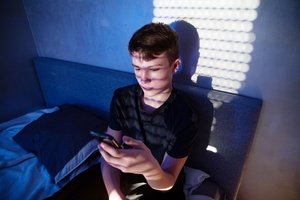


Butterfly Foundation, Australia’s national charity for eating disorders and body image concerns, says support is required for young people to navigate the social media ban, and that teachers, parents and carers should not expect it to be the silver bullet to end all online harms.
While this is an important opportunity to build digital literacy and critical thinking skills which young people will need now and in the future, Butterfly’s Director of Education Initiatives, Danni Rowlands says many are confused about what the ban will mean for them and their friendships.
“When we’ve been delivering our education and prevention programs in secondary schools, we’ve heard a range of questions from young people about the ban – from ‘will I get fined if I’m on social media?’ to ‘why are we the ones being punished?’ and from one distressed Year 8 boy, ‘will I still be able to call my mum?’” Rowlands explains
“It is clear young people need support with social media and navigating these changes.”
Butterfly’s BodyKind Youth Survey found that more than half of young people aged 12-18 said social media made them feel dissatisfied with their body.
“Delaying access is one step aimed to protect young people, but while it doesn’t remove the problem – harmful content will still be visible once 16-year-olds regain access,” Rowlands says.
“As young people’s social media world goes quiet for now, we must take the opportunity to give them protective skills that will last a lifetime.”
Despite the social media age restrictions, young people will continue to encounter powerful messages about bodies, health, fitness and food through peers, families, advertising, entertainment, and other online spaces, Butterfly says.
Many will still access video-sharing sites, watch influencer content without accounts, or participate in private group chats where comparison and body talk may be even more personal and intense. Some young people may have no changes to how they access social media, but use social media in a more secretive way.
Butterfly Head of Prevention Helen Bird says the impacts from the ban on the wellbeing of young people remain unclear, and parents should be aware of warning signs that their children are struggling with their mental health.
“This ban is likely to leave some young people feeling uncertain and anxious as their usual routines and habits disappear overnight,” Bird says.
“It’s important for adults to stay open and curious as to how young people are feeling and being impacted – communication is key.”
“Additionally, disordered eating behaviours may emerge as young people attempt to cope with difficult emotions or regain a sense of control in their lives.

Butterfly Head of Prevention Helen Bird says the impacts from the ban on the wellbeing of young people remain unclear, and parents should be aware of warning signs that their children are struggling with their mental health.
Bird says parents, carers and educators must remain vigilant to the signs of disordered eating and body dissatisfaction and intervene early.
Parents and carers can also play a key role by advocating for their children to receive access to relevant education that prepares them for the online world, according to Rowlands.
“Young people need our support to navigate appearance-based content, beauty, body and health ideals, teasing, AI, misinformation, algorithms, and online safety features.
“These are all concepts that are relevant and important to address in our digital world, with or without access to social media. But it can be difficult for parents to know where to begin, especially if they are still learning to navigate this themselves.”
In response, the charity has produced a new eLearning program BodyKind Online Education for secondary age students, designed to address these factors.
An independent pilot evaluation has showed positive impacts for young people in relation to media literacy skills and self-compassion.
Students in Years 7 and 8 who have completed the program said, “it made me feel better about myself”, “I liked how it incorporated may different aspects of body image and “[it taught me] to never compare myself [to others]”.
Meanwhile, bbc.com in the UK is reporting that Australian children under 16 are being blocked from accessing Instagram, Facebook and Threads a week out from the official ban kicking in.
Meta announced in November that it would begin notifying 13-15-year-old users that their accounts would begin to be shut down from December 4.
Somewhere in the range of 350,000 Instagram users and 150,000 Facebook users are expected to be impacted.
The Young Nationals have also called for the dumping of the under-16s social media ban, amid a growing Coalition push against the world-leading laws.
That’s despite the opposition waving through parliament legislation that specified the date and former Liberal leader Peter Dutton championing the ban.
The Nationals’ youth branch believes the ban will hurt regional Australians.
“Many young Australians in regional and remote areas rely on social media to stay connected with their family, community and mates – this ban risks cutting those kids off, inadvertently making the youth mental health crisis worse, especially in our regions,” the Young Nationals president, Charlie Plant, told The Guardian Australia.
To find out more about BodyKind Online Education, click here.
Butterfly is running a Christmas appeal campaign, ‘Kids are growing up online’, highlighting the impact of social media on young people.