
Prior to the Bill, the NT Anti-Discrimination Act had been called “one of the strongest pieces of vilification law that is currently in place” and “highly visionary” by the Anti-Discrimination Commissioner.
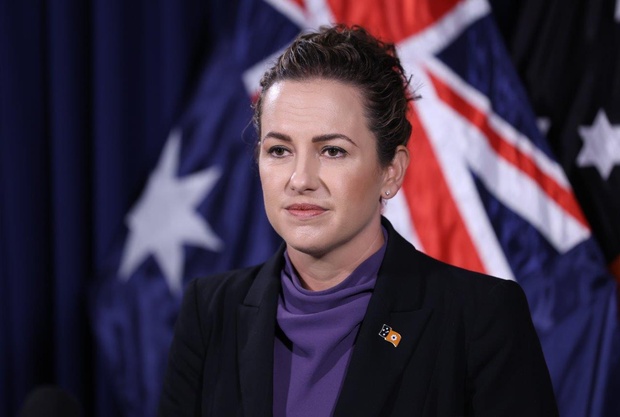
The Amendment Bill was introduced to Parliament in July and Attorney-General Marie-Clare Boothby has since undertaken what she called extensive consultation with a broad range of stakeholders, including multicultural and faith-based organisations, LGBTQIA+ groups, health organisations, and the Anti-Discrimination Commissioner.
She said the Bill meets the CLP Government’s commitment to protect Territorians from genuine harm.
“We have listened carefully to people on all sides – those who felt the changes didn’t go far enough, and others who were concerned they might go too far and undo existing protections,” Boothby said.
“This Bill delivers a sensible middle ground. It keeps strong protections against discrimination and hate speech while ensuring people can still speak freely and schools can operate in line with their values.”

Opposing the Amendment Bill, IEU-QNT branch secretary Terry Burke says employers already have the right to assess candidate suitability during the hiring process and warns those employers who had pushed for the changes will be held accountable.
The CLP Government’s changes, it said, restore protections for religious schools by establishing clear guidelines and reinstating their right to preference hiring staff based on faith, providing certainty for schools and parents while ensuring everyone’s rights are respected.
However, the union representing teachers and support staff in NT non-government schools has called the passing of the amendments “shameful and unjust”.
Independent Education Union – Queensland and Northern Territory (IEU-QNT) branch secretary Terry Burke said reinstating religious discrimination exemptions for faith-based schools was unnecessary and divisive.
“For three years, NT faith-based schools have operated without these exemptions,” Burke said.
“Reintroducing them undermines community values, especially when public funds support these institutions.”
Burke said employers already have the right to assess candidate suitability during the hiring process and warned those employers who had pushed for the changes will be held accountable.
“Our union will oppose any use of these exemptions and will continue to work with other organisations that are committed to ensuring all Territorians live and work in a fair and equitable community,” he said.
Boothby said people rightly protested Labor’s changes to the Anti-Discrimination Act in 2022, given, she said, they removed protections entirely for religious schools in the Territory and left them with no clear provisions.
“This is about families having choice and clarity.
“If parents choose to send their children to a faith-based school, they deserve confidence that it can operate according to its beliefs with transparent policies and fair employment practices.”
Attorney-General Marie-Clare Boothby says the Bill changes will not open the door to hate speech, which will not be tolerated in the Territory, but freedom of speech will be respected and valued.
Key changes include the reintroduction of religious exemptions for faith-based schools to preference staff of the same religion, and altering vilification laws from a “hate speech” model to one based on incitement.
The Bill introduces an ‘incitement model’ for addressing vilification, which replaces Labor’s ‘harm’ model.
The Government said the ‘incitement model,’ which it said is already used in most Australian jurisdictions, “provides a better balance between freedom of speech and the right to non-discrimination and equality”.
“Labor tied the hands of Territorians and blurred the lines between genuine discrimination and simply expressing an opinion – we’ve changed that,” Boothby said.
“Our changes ensure speech that incites hatred, serious contempt or severe ridicule because of someone’s race, religion, gender, sexuality or disability will continue to be unlawful – but ordinary conversation or disagreement will not.”
“These reforms strengthen protections; they don’t weaken them.
“Our changes will not open the door to hate speech and hate speech will not be tolerated in the Northern Territory, but freedom of speech will be respected and valued.”
The NT Greens said the amendments go against the recommendations of the NT Anti-Discrimination Commissioner and fail to implement the recommendations of the Australian Law Reform Commission.
“Over the past year we have repeatedly heard that the CLP will put the rights of victims over the rights of offenders,” Kat McNamara, the Member for Nightcliff, said.
“But in this instance they’re putting the right for some in our community to engage in discrimination above the rights of others in our community to be safe from discrimination.
“Vilification laws are essential because they are preventative – they help to prevent more serious discrimination and violence that are enabled by casual discrimination.”
McNamara said in a time when sexism, racism, homophobia and transphobia are on the rise, we need to stamp out any form of discrimination in its early stages to prevent it becoming more serious.
“The CLP wants the freedom to crack homophobic jokes and use slurs without anyone being allowed to take offense.
“But under this same bill, they’re saying that religious institutions can refuse to employ a gay person – not because they’re unqualified, not because they can’t do the job – but simply because their existence might offend someone’s religious sensibilities.”
Labor Member for Gwoja, Chancey Paech, said on Facebook on Wednesday that the amendments weaken the protections that keep NT communities safe, fair, and inclusive.
“We need to stand together and send a clear message: we do not support the CLP’s attempt to water down our anti-discrimination laws,” he said.
Paech provided a link to an online petition that stated the rolling back of protections for vulnerable community members will allow for increased hate speech and religious discrimination.
It said the Amend to Section 20A of the Act will provide a “higher threshold” for what is considered vilification, allowing for increased levels of hate speech against marginalised communities in the Northern Territory.
“This is occurring in a political climate where racist rhetoric and anti-Sistergirl Brotherboy LGBTQIA+ sentiment are high,” the petition read.
The petition said Section 35B, which allows religious organisations to discriminate against employees “on the ground of religious belief” or “to avoid offending religious sensibilities” has “grave implications for Sistergirl Brotherboy LGBTQIA+ teachers working in religious schools, and creates unsafe school environments for Sistergirl Brotherboy LGBTQIA+ students and families”.
“Students and teachers deserve a safe environment in which to thrive and learn free from discrimination.”